Where are AI headshots allowed?
Yes — for professional profiles. LinkedIn, Zillow, real-estate sites and most job applications allow AI-assisted headshots as long as the photo genuinely looks like you. Government IDs are the hard exception: US passports and visas explicitly ban AI and digital editing, while Schengen visas and ERAS demand strict, identity-grade specs.
Before you swap in an AI headshot, the only question that matters is where it is allowed — and the answer changes completely between a LinkedIn profile and a passport application. This is Imagera's compliance reference: a platform-by-platform matrix of who permits AI-assisted headshots, who prohibits them, and the exact rule each one publishes, with every claim tied to a source you can check yourself. The pattern is consistent. Professional networks and hiring sites allow AI headshots as long as they remain a true likeness of you; government identity documents ban AI and digital editing outright. Imagera is engineered around that line — its headshot studio enhances your real face rather than inventing a new one, and for passports, visas, and residency applications it hands off to a document-photo spec engine that formats an unedited photo of you to each authority's precise size, background, and framing rules. Explore the full AI Headshot hub or start in the studio.
Where are AI headshots allowed? Verdict at a glance
Scan for your platform, then read the sourced rule below. Green = AI-assisted headshots allowed if they stay a true likeness; amber = an identity-grade photo spec, no AI; red = AI and digital editing explicitly banned.
| Platform | Verdict | What the rule says |
|---|---|---|
| Allowed if accurate | LinkedIn's Professional Community Policies require members to use their true identity and state your profile photo "must reflect your likeness" — you may not… | |
| Zillow (Premier Agent) | Allowed if accurate | Zillow asks agents for a high-quality, closely cropped professional headshot (no selfies, no logos, no props). |
| MLS (agent photo) | Allowed if accurate | No single national MLS rule governs agent headshots — local MLS bylaws apply — and there is no AI ban. |
| Realtor.com | Allowed if accurate | Realtor. |
| US Passport | Not allowed | The US State Department is explicit: "Do not change your photo using computer software, phone apps or filters, or artificial intelligence," and "We check all… |
| US Visa | Not allowed | US visa photo guidance states photos "must not be digitally enhanced or altered to change your appearance in any way," and a State Department employee makes… |
| Schengen / EU visa | Strict spec | Schengen visa photos must follow ICAO biometric standards under the EU Visa Code: 35×45 mm, plain light background, neutral expression, no filters and no ret… |
| ERAS Residency (AAMC) | Allowed if accurate | AAMC states the ERAS photo "is most often used by programs to help identify you when you report for an interview. |
| US State Bar profiles | Allowed if accurate | State bars such as California and Texas require attorneys to maintain an accurate public profile (license status, practice location, school) but generally do… |
| Medical board / hospital directory | Allowed if accurate | No medical board bans AI headshots for provider directories, telehealth profiles, or ID badges, and an accurate likeness is acceptable for those uses. |
| Job applications / ATS | Allowed if accurate | No general statute requires disclosing that a headshot is AI-assisted, and most recruiters treat it like studio lighting or retouching. |
| US Green Card (USCIS) | Not allowed | USCIS requires a color passport-style photo, 2×2 inches, taken within the last six months, on a plain white or off-white background with a neutral expression… |
| UK Passport (HM Passport Office) | Strict spec | The UK requires a plain, in-focus digital photo taken in the last month against a light-grey or cream background, with a neutral expression and eyes open — a… |
| Company websites & press kits | Allowed if accurate | There is no rule against an AI-assisted headshot on your company About page, a speaker or conference bio, a podcast guest page, or a press kit — these are ma… |
| Dating & social profiles | Allowed if accurate | Major dating apps require that your primary profile photos genuinely represent you and prohibit misleading images or someone else's likeness; some platforms… |
The platform compliance matrix
LinkedIn's Professional Community Policies require members to use their true identity and state your profile photo "must reflect your likeness" — you may not use an image that is not your likeness. AI-assisted photos are not banned; an enhanced or even stylized image of yourself is permitted as long as it is recognizably you, while a photo of someone else or a face altered beyond recognition violates the policy.
Zillow asks agents for a high-quality, closely cropped professional headshot (no selfies, no logos, no props). Its guidance permits minor edits such as removing a blemish but explicitly warns against changing features — "Changing your eye color or hair style doesn't do anyone any good" — and advises refreshing the photo at least every two years. The standard is a current, recognizable likeness.
No single national MLS rule governs agent headshots — local MLS bylaws apply — and there is no AI ban. The overarching standard is NAR's Code of Ethics Article 12, which requires REALTORS® to "present a true picture" in their advertising, marketing, and representations. A current, honest likeness clients will recognize satisfies it; a misleading image does not.
Realtor.com publishes no policy banning AI headshots. The operative standard is the same NAR Code of Ethics Article 12 "true picture" duty plus practical recognizability — a recent, professional headshot that genuinely looks like the agent a client will meet at a showing. There is no explicit AI-specific policy; likeness and honesty are the governing tests.
The US State Department is explicit: "Do not change your photo using computer software, phone apps or filters, or artificial intelligence," and "We check all photos to ensure you are not using artificial intelligence tools." AI-generated or AI-edited passport photos are rejected. Use Imagera's document-photo spec engine to format an unedited photo of you to passport specs instead.
US visa photo guidance states photos "must not be digitally enhanced or altered to change your appearance in any way," and a State Department employee makes the final acceptability determination. Any AI generation, retouching, or filtering that changes appearance is disqualifying. Route visa photos through Imagera's spec engine, not its headshot generator.
Schengen visa photos must follow ICAO biometric standards under the EU Visa Code: 35×45 mm, plain light background, neutral expression, no filters and no retouching, taken within the last six months. Consulates and VFS centers run biometric screening that flags altered facial features, so an AI-generated or AI-retouched face will fail. This is an identity-grade spec, not a styling exercise — use Imagera's document-photo spec engine.
AAMC states the ERAS photo "is most often used by programs to help identify you when you report for an interview." AAMC publishes only technical specs (JPG/PNG, ≤150 KB, centered face) with no AI ban — but because the purpose is in-person identification, the image must clearly match how you look. An accurate Imagera headshot meets the intent, and its spec engine outputs the exact ERAS dimensions.
State bars such as California and Texas require attorneys to maintain an accurate public profile (license status, practice location, school) but generally do not mandate or regulate a profile photo at all. There is no explicit AI policy. Where a headshot does appear — a firm bio or legal directory — the same honesty standard applies: it should truthfully represent the attorney.
No medical board bans AI headshots for provider directories, telehealth profiles, or ID badges, and an accurate likeness is acceptable for those uses. However, hospital credentialing often requires a recent passport-style photo that is signed and dated — sometimes notarized — to verify identity, so credentialing submissions must be a true, unembellished likeness and follow each institution's specs.
No general statute requires disclosing that a headshot is AI-assisted, and most recruiters treat it like studio lighting or retouching. The professional line is likeness: the photo must represent how you will actually appear in person or on a video call. Risk arises only when an image changes your apparent age, ethnicity, or fundamental features — that crosses from enhancement into misrepresentation.
USCIS requires a color passport-style photo, 2×2 inches, taken within the last six months, on a plain white or off-white background with a neutral expression — and its instructions bar photos that are digitally altered to change your appearance. Like passports and visas, a green-card or naturalization photo must be an unedited image of you. Route it through Imagera's document-photo spec engine, not the headshot generator.
The UK requires a plain, in-focus digital photo taken in the last month against a light-grey or cream background, with a neutral expression and eyes open — and it explicitly says your photo must not be altered by computer software. The online service auto-checks photos and rejects those that don't meet the standard, so any AI-generated or edited face fails. Use a genuine, unedited photo formatted to spec.
There is no rule against an AI-assisted headshot on your company About page, a speaker or conference bio, a podcast guest page, or a press kit — these are marketing surfaces, not regulated identity documents. The only practical standard is recognizability: the photo should look like the person a journalist, partner, or attendee will actually meet. An accurate Imagera headshot is appropriate; a face altered beyond recognition is not.
Major dating apps require that your primary profile photos genuinely represent you and prohibit misleading images or someone else's likeness; some platforms verify photos against a live selfie. An enhanced but honest photo of yourself is generally fine, but a heavily idealized or invented face risks a verification failure and a poor first impression in person. The safe standard, as everywhere AI headshots are permitted, is a current, recognizable likeness.
Frequently asked questions
Are AI headshots allowed on LinkedIn?+
Yes, if the photo is recognizably you. LinkedIn's Professional Community Policies require members to use their true identity and state that your profile photo "must reflect your likeness." An Imagera headshot that keeps your real face is within policy; using a photo of someone else, or a face altered beyond recognition, is not. LinkedIn does not ban AI-assisted or professionally enhanced photos — the standard is the same likeness test it applies to retouched studio photography.
Can I use an AI headshot for a US passport?+
No. The State Department explicitly says: "Do not change your photo using computer software, phone apps or filters, or artificial intelligence," and confirms it checks all photos to ensure AI tools were not used. AI-generated or AI-edited passport photos are rejected. For passports — and visas and other government IDs — use Imagera's document-photo spec engine, which formats an unedited photo of you to each authority's exact size, background, and framing rules rather than generating a face.
Do I have to disclose an AI headshot to a recruiter?+
No general law requires it, and most recruiters treat an AI-assisted headshot the way they treat studio lighting, retouching, or a fresh haircut — the tool isn't the point. The real test is likeness: if someone meeting you in person or on a video call would recognize you from the photo, you're within professional norms. Trouble only starts when an image changes your apparent age, ethnicity, or core features, because that becomes misrepresentation rather than a better photo.
Will an AI headshot pass a Schengen or other visa application?+
Treat visa photos as off-limits for AI. Schengen photos must meet ICAO biometric standards under the EU Visa Code — exact 35×45 mm sizing, neutral expression, plain background, no filters and no retouching — and consulates run biometric screening that flags altered facial features. US visa guidance similarly bars any digital alteration that changes your appearance. Use Imagera's document-photo spec engine to format a compliant photo of you, not its headshot generator.
Is an AI headshot okay for an ERAS residency application?+
AAMC says the ERAS photo is "most often used by programs to help identify you when you report for an interview," so it must clearly look like you. AAMC publishes only technical specs (JPG/PNG, ≤150 KB, centered face) and no AI ban — an accurate Imagera headshot that matches your in-person appearance meets the intent. Imagera's document-photo spec engine outputs the exact ERAS dimensions so the file is accepted on upload through MyERAS or ECFMG.
Can real estate agents use AI headshots on Zillow, MLS, or Realtor.com?+
Generally yes, if accurate. Zillow asks for a professional headshot and allows minor edits such as removing a blemish, but warns against changing features like eye color or hairstyle. No national MLS rule bans AI headshots, and Realtor.com has no explicit AI policy — but NAR's Code of Ethics Article 12 requires REALTORS® to "present a true picture" in their marketing. Keep it a current, honest likeness clients will recognize at a showing.
Are AI headshots allowed for lawyers' state bar profiles?+
Most state bars — California and Texas among them — require attorneys to maintain an accurate public profile but do not mandate or regulate a profile photo at all, and publish no AI policy. Where a headshot appears instead is on firm bios and legal directories, where the same honesty standard governs: the image should truthfully represent you. An accurate, professional Imagera headshot is appropriate for those marketing surfaces.
What about hospital or medical board directory photos?+
No medical board bans AI headshots, and an accurate likeness is fine for provider directories, telehealth profiles, and ID badges — a common need given that credentialing can take months before a new physician has a directory photo. The exception is credentialing itself: hospitals often require a recent passport-style photo that is signed, dated, or notarized to verify identity, so those submissions must be a true, unembellished likeness following each institution's specs.
What is the one rule that keeps an AI headshot safe everywhere it's allowed?+
Likeness. Every platform that permits AI-assisted photos — LinkedIn, Zillow, real-estate directories, job applications — applies the same test: the image must genuinely look like you, so that anyone who meets you recognizes the person from the photo. Imagera is built to enhance your real face, not replace it. Government identity documents are the categorical exception — they ban AI outright — which is why Imagera routes passports, visas, and similar IDs through its document-photo spec engine.
Why do government IDs ban AI headshots when LinkedIn and job sites allow them?+
Because they answer different questions. A profile photo asks 'does this credibly represent this professional?' — so an enhanced-but-recognizable image of you is fine. An identity document asks 'is this the exact, unaltered face of the person standing here for biometric matching?' — so passport and visa authorities (US State Department, USCIS, HM Passport Office, EU consulates) bar any digital alteration and increasingly run automated checks for AI. The same photo can be perfectly acceptable on LinkedIn and rejected for a passport. That's why Imagera separates the two: an enhancing headshot studio for profiles, and a document-photo spec engine that only formats an unedited photo of you for IDs.
Can I use an AI headshot for a US driver's license or state ID?+
Treat it as off-limits. State DMVs take your photo in person at the office for a driver's license or state ID, and increasingly use facial-recognition systems to prevent identity fraud, so there is no meaningful place to substitute a generated image — and altering an ID photo can be a legal issue. Save the AI headshot for your professional profiles. For any government-issued identity document, the rule is the same as passports and visas: it must be a true, unedited photo of you, which is what Imagera's document-photo spec engine is built to format.
Do employers or platforms use AI detectors to catch AI headshots?+
Some do, and government-ID authorities in particular now screen for AI and digital manipulation — the US State Department states it checks passport photos to ensure AI tools weren't used, and biometric visa screening flags altered facial features. On professional platforms, the concern is misrepresentation rather than the tool: an enhanced but recognizable photo of you passes the only test that matters, which is whether you look like it in person. Imagera sidesteps the whole issue by preserving your real face instead of inventing one, so the result is an honest photo of you — not a fabricated identity a detector or a colleague would flag.
Is it safe to run our employees' or clients' photos through an AI headshot tool?+
Handle it as a data-governance decision, because facial data can fall under biometric-privacy laws — Illinois' BIPA requires written notice and consent before collecting a scan of face geometry, and the EU's GDPR treats biometric identification as a special category needing explicit consent. The safe pattern is voluntary participation: each person consents and uploads their own photos rather than an administrator batch-processing a directory. Imagera builds every headshot from that individual's own uploads and preserves their real likeness. For teams, see the workflow on the corporate headshots page (/image/corporate-headshot).
Which platform's rules apply if I'm a realtor, doctor, or lawyer using one headshot everywhere?+
Each surface applies its own standard, but they converge on the same likeness principle, so one accurate headshot generally works across all of them. A realtor's photo must satisfy Zillow, the MLS, and NAR's Article 12 'true picture' duty; a physician's directory photo is fine if accurate, though hospital credentialing needs an unembellished ID-style photo; a lawyer's firm-bio photo is unregulated but must honestly represent them. See the tailored guidance on the realtor (/image/real-estate-headshot), doctor (/image/doctor-headshot), and lawyer (/image/lawyer-headshot) pages. The one place a single headshot can't carry over is a government ID, which always demands an unedited photo.
Compliant headshots in practice
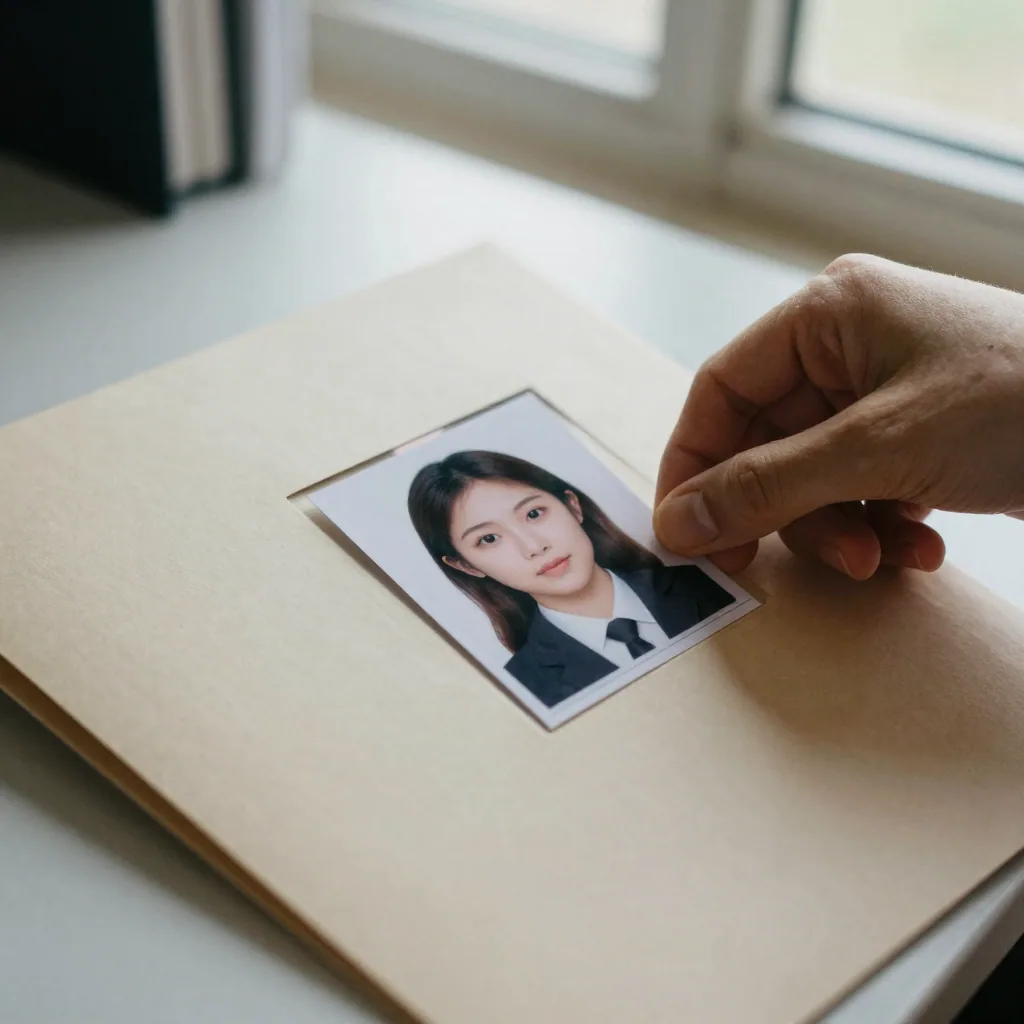
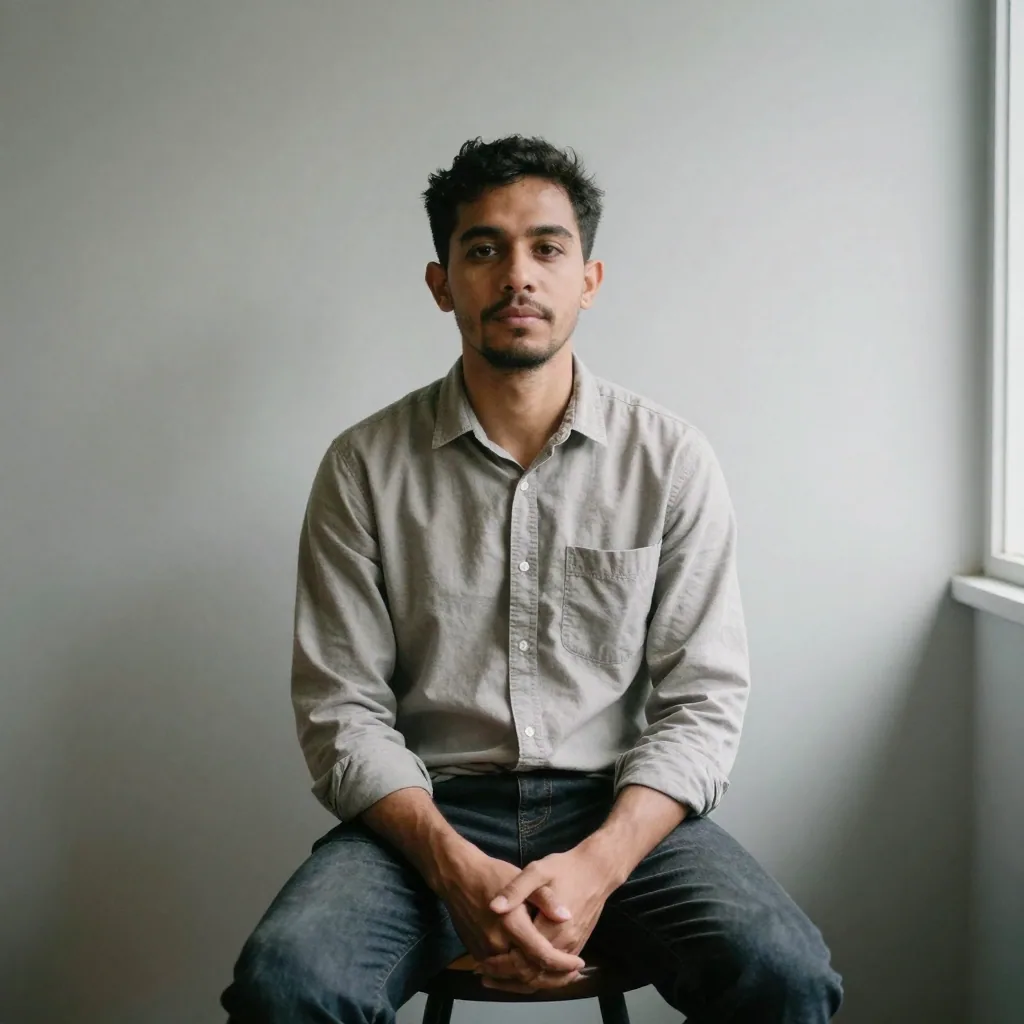
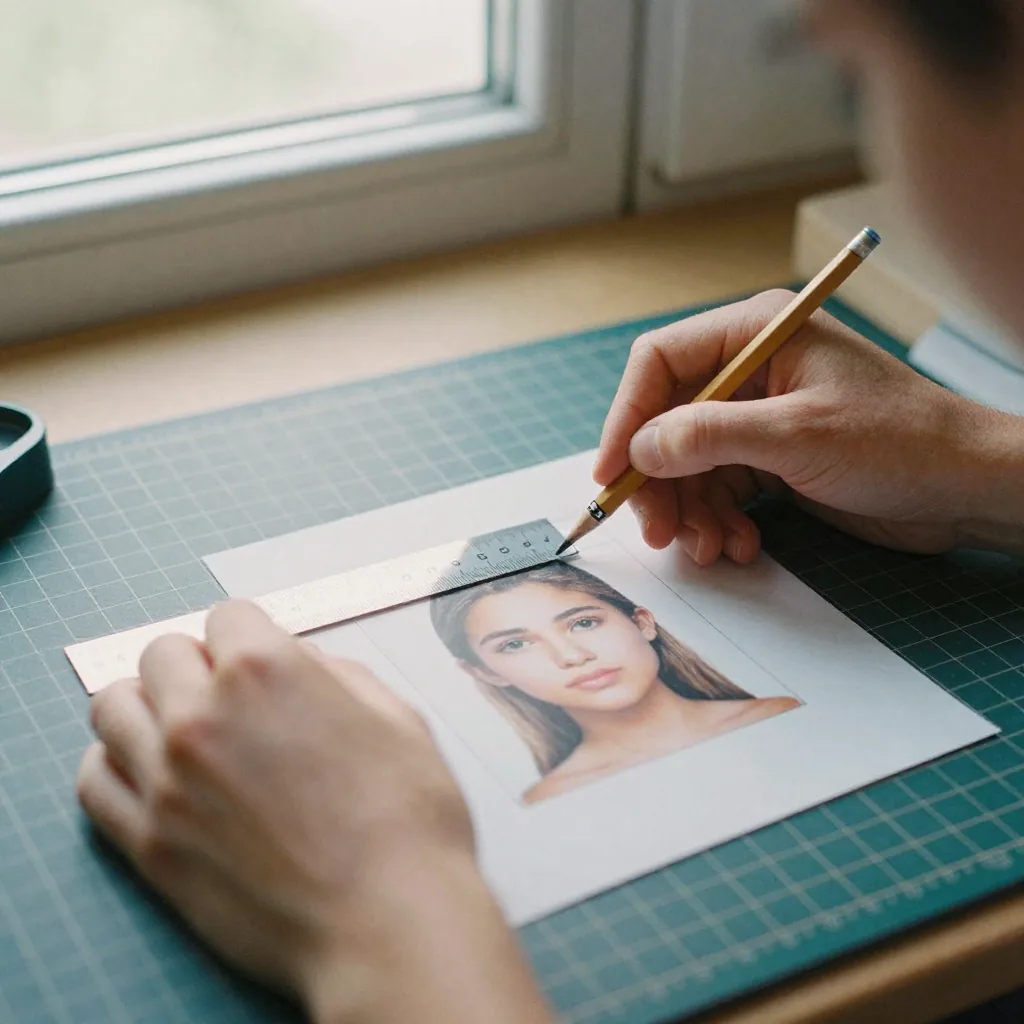
Neutral backdrops, even lighting, chin level and shoulders square — the identity-grade composition that keeps a headshot within the likeness rule.

Enhanced, not invented — the likeness rule in action
Imagera upgrades the lighting, framing and attire on your real face rather than generating a stranger — the identity-preserving approach that keeps a headshot within every platform's likeness rule, from LinkedIn to a firm bio.

A headshot that's recognisably you
Imagera enhances your real face rather than inventing one — so it stays within the likeness rule everywhere AI headshots are allowed.
Last updated: June 2026 · Policies change — each row links to the primary source so you can verify the current rule.