An AI influencer generator is only “best” if the same person (or product persona) is still recognizable on post #50 — not just on a pretty demo. In 2026 the category split into two camps:
- Video-suite identity (e.g. Higgsfield Soul ID + multi-model clips + viral presets)
- Train-once creative OS (e.g. Imagera Personal Influencer / LoRA + reels + stills + voice)
This guide ranks what matters for brands and solo creators who sell, with Imagera as the primary walkthrough and competitors named where evidence exists.
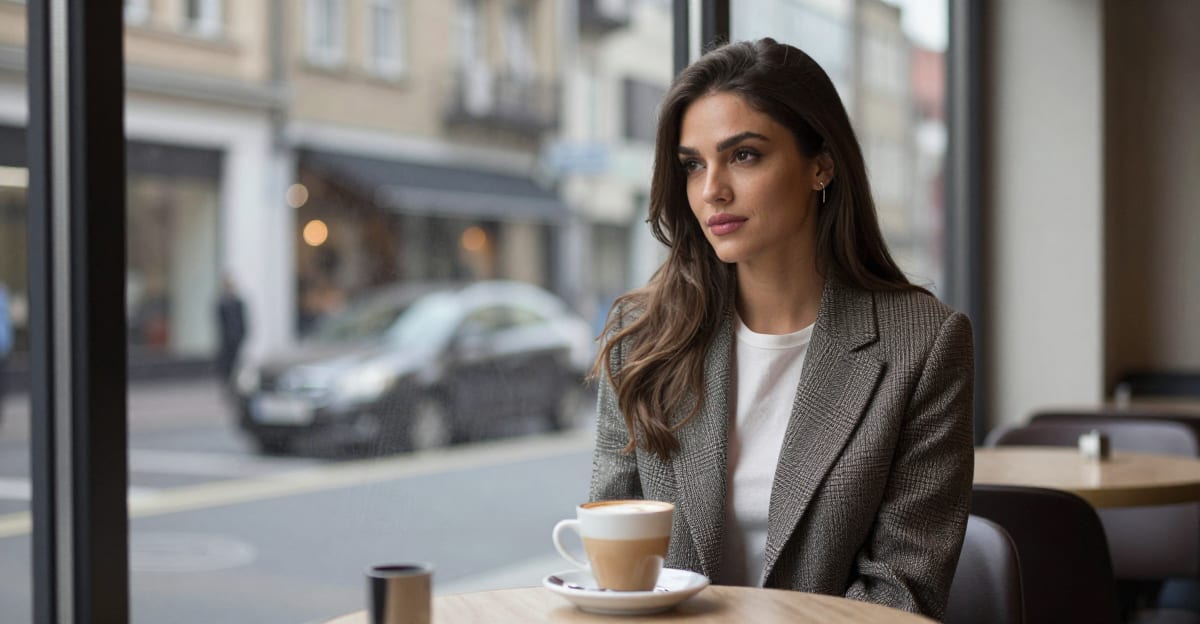
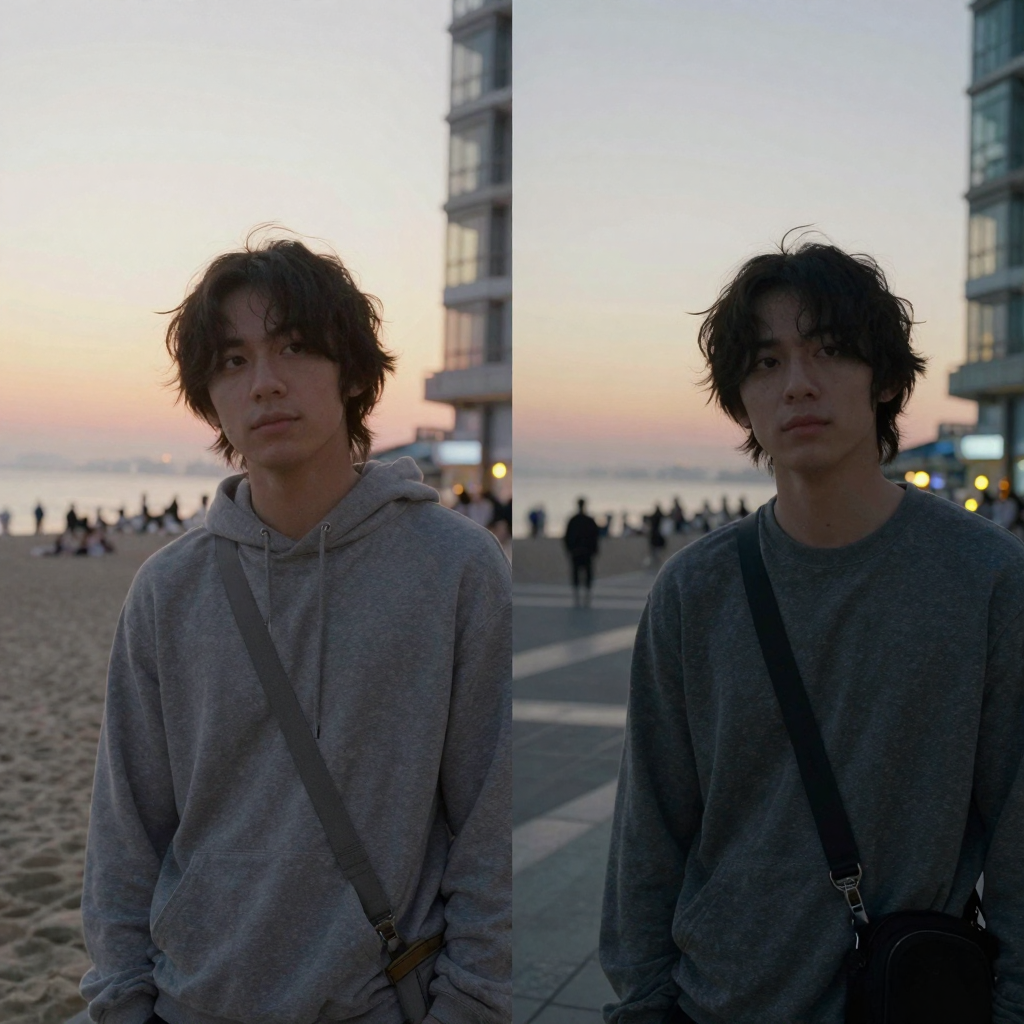
Real Imagera output: a consistent character across a scene.
Quick answer: The best AI influencer generator keeps one face consistent across every image and video, and Imagera locks that identity from a single reference photo, producing 4K-ready posts in under 60 seconds.
1.How does an AI influencer generator keep the same face across 100+ posts?
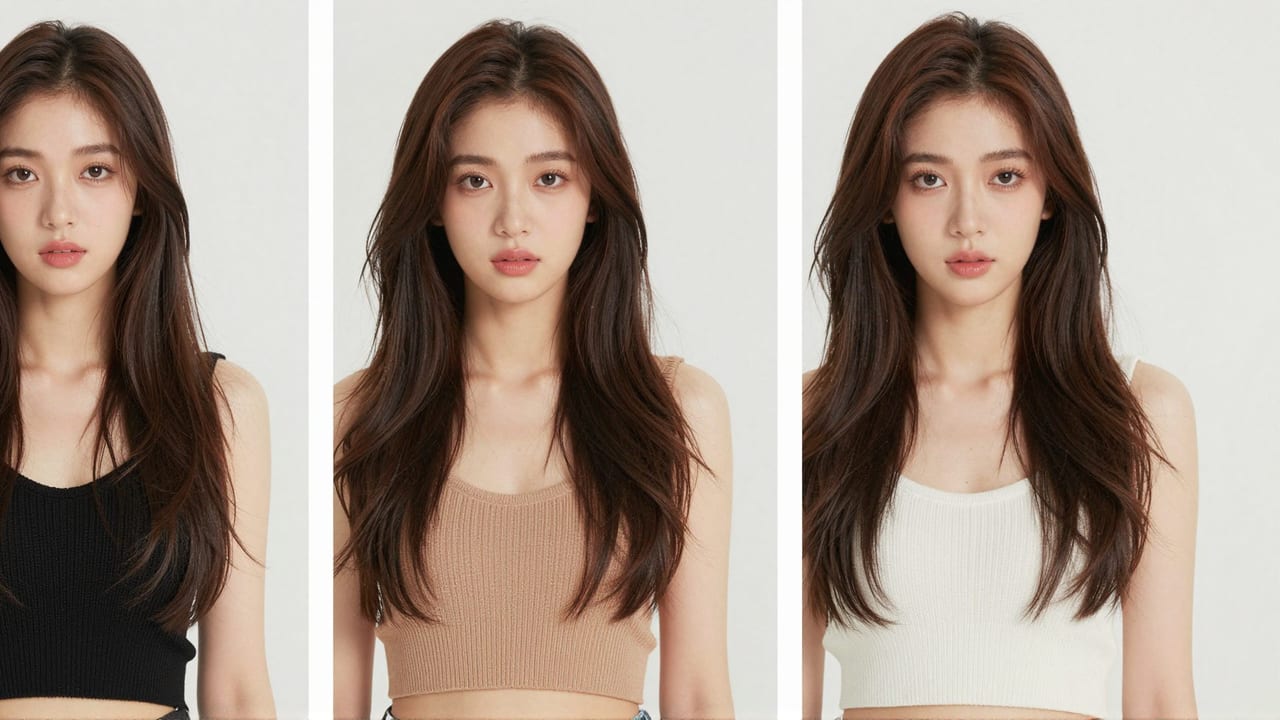
Imagera anchors every render to one reference identity, so the same eyes, jawline, and skin tone hold across 100+ photos and reels instead of drifting into a new person each generation. Character consistency stays true to your reference likeness at 4K, letting a virtual creator post several times daily throughout 2026 without re-training or manual face fixes between shots.
For video specifically there are two routes to that consistency — supplying reference images per generation, or training an adapter once — and the break-even sits around twenty clips of the same subject. The trade-off is worked through in MiniMax H3 explained, which covers the reference system that makes the first route viable.
2.Which content formats can one AI influencer produce for a 2026 campaign?
From a single character, Imagera generates 4K stills, 8K upscales, and short-form reels under 60 seconds, plus batch runs for A/B testing 10+ variations quickly. Brands increasingly favor persistent virtual personas because one consistent face compounds recognition across dozens of posts, unlike disposable one-off AI images that never build a followable identity.
3.What “best” means for commercial use
Score any AI influencer generator on:
| Criterion | Why it matters |
|---|---|
| Identity lock | Same face/product across outfits and scenes |
| Video path | Reels/ads, not only stills |
| Commercial rights | Paid ads, client work, marketplaces |
| Cost per usable asset | Packs vs monthly credit burn |
| Ownership | Can you reuse the model next quarter? |
| Disclosure workflow | Can you ship ethically and on-platform? |
Vanity metrics (free one-shots, random pretty faces) are not quality traffic for revenue.
4.What an AI influencer generator actually does
A generic AI image generator invents a new face from the prompt every single time. Ask for “a woman in a red dress” twice and you get two different women. That is fine for concept art and mood boards, but it is the exact opposite of what a brand needs. An influencer — human or virtual — is a recognizable identity. The whole point is that followers, customers, and ad audiences learn one face and start to trust it.
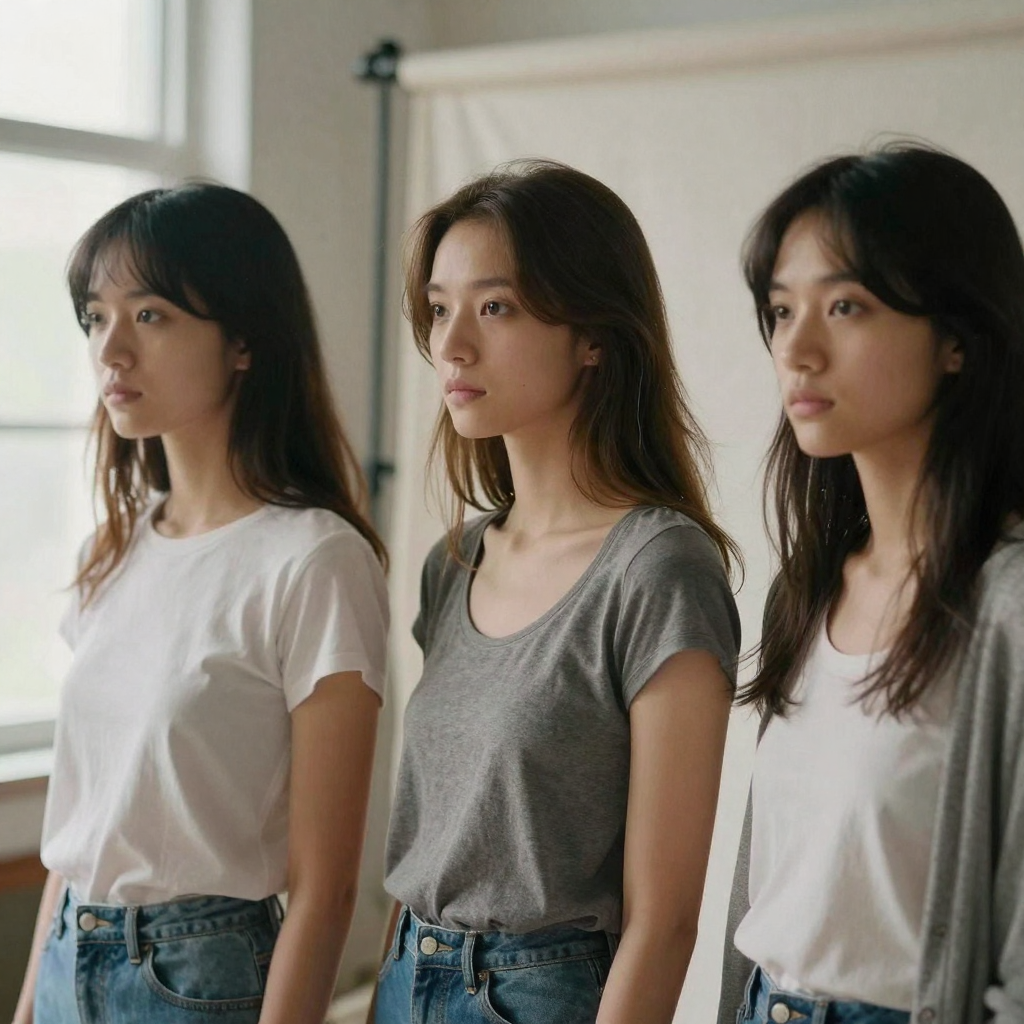
So a real AI influencer generator is not one prompt box. It is an identity pipeline:
- Capture the identity — either train a model on 10–30 photos of a real face (yours, a hired model, or a mascot you own), or design a fictional character from controls.
- Store that identity as a reusable asset — a trained model you can come back to next week, next campaign, next quarter.
- Generate against that identity — new outfits, new scenes, new poses, new lighting, all still reading as the same person.
- Refine and extend — fix near-miss faces, restyle, control body language, and move the identity into reels.
On Imagera this is exactly how the Personal Influencer suite is built. You train once on 10–30 photos in the browser (minutes, no GPU farm, no desktop install), then ten tools all operate on that single identity so your feed stays coherent instead of looking like a rolling casting call. Paid generations carry full commercial rights — you use the images for social, ads, websites, and product pages, provided you have the right to train the face in the first place.
5.How it works, step by step
Here is the concrete workflow the Personal Influencer suite runs, matching what the tool actually does — not a hypothetical.
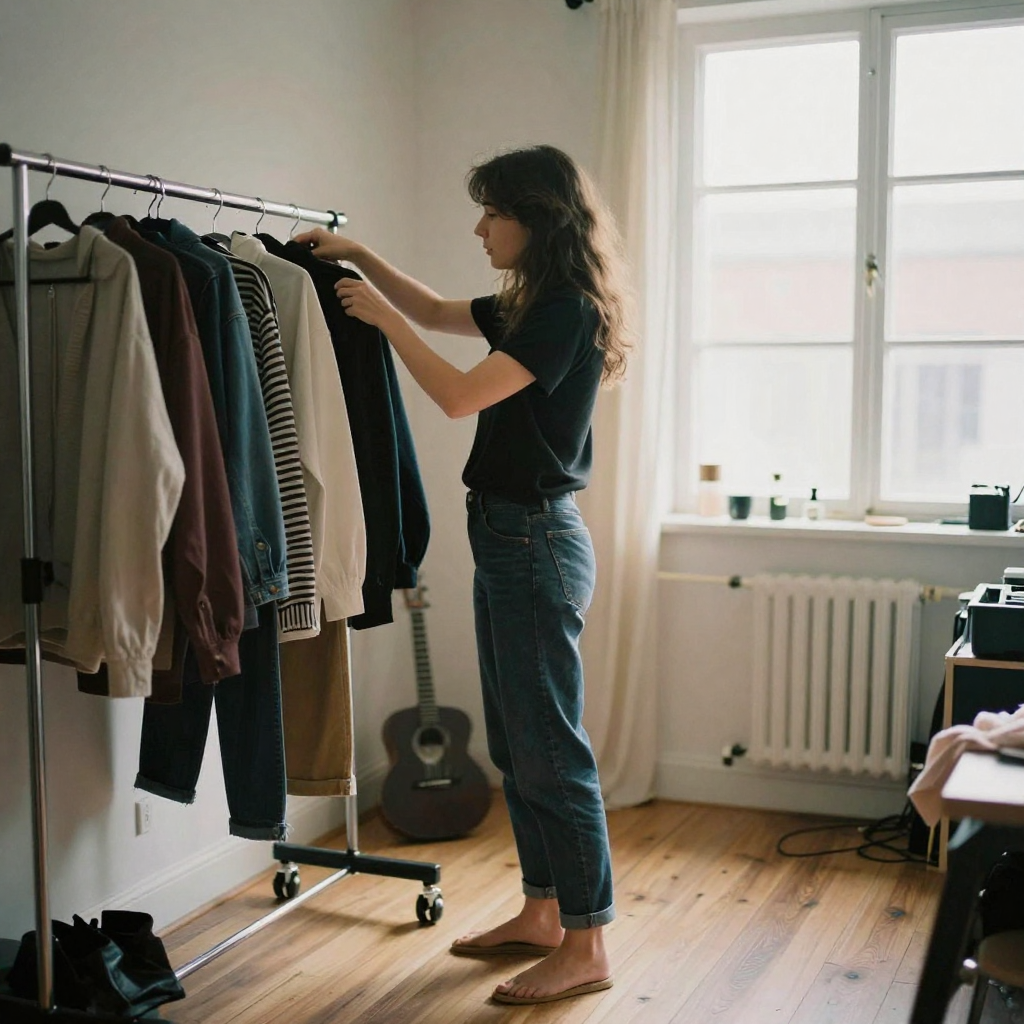
- Gather references. Collect 10–30 clear photos of the face. Use varied angles, lighting, and expressions; skip heavy filters, sunglasses-on-every-shot, and group photos where the face is tiny. Variety is what makes the likeness stable later.
- Train the identity in the browser. Start training and Imagera learns the face. It typically completes in minutes — no GPU rental, no ComfyUI install. When it finishes, the identity is saved and reusable.
- Generate on-identity photos. Prompt new scenes, outfits, and styles. Because generation runs against the trained identity, the eyes, jaw, and overall vibe stay consistent instead of drifting into a “cousin who sort of resembles you.”
- Restyle and match a look. Use style transfer to apply the aesthetic of a reference image while keeping your face — useful for matching a brand kit or a campaign mood.
- Edit outfits and backgrounds. Inpaint to change clothes, props, or the scene without losing identity — so one training run feeds a whole wardrobe series.
- Lock a pose. Feed a pose reference so body language matches the shot you need, rather than hoping the prompt lands it.
- Fix near-miss faces. Push almost-right frames back to clearly-you with the face-enhance tool. This is the difference between shipping 3 usable stills and 30.
- Move into reels. Turn your best stills into vertical video for TikTok, Instagram Reels, and YouTube Shorts, then add voice and music passes for full posts.
Two fast lanes sit alongside the full pipeline:
- Instant Character — upload a few photos and generate consistent images without a full train cycle. Best for quick tests before you commit to a full identity.
- Character Studio — invent a fictional brand face from controls (gender, age, ethnicity, style) when you need an ambassador who is not a real person. That character then stays consistent across later images, the same way a trained real face does.
6.Top pick for owned influencers: Imagera Personal Influencer
Best for: creators and brands who need a durable persona across stills, reels, and campaigns with credits from $19.99.

6.1Why it ranks #1 for ownership workflows
- Train once via Personal Influencer / LoRA training
- Reuse across image generations and reel pipelines
- Bundle voice and music tools for full posts
- Pay when you create — packs never expire; Pro monthly optional
6.2The ten tools, one identity
The suite is not a single generator — it is ten tools that all share the face you train:
| Tool | What it does |
|---|---|
| Train Your Face | Upload 10–30 photos and teach Imagera your look in minutes |
| Generate New Photos | Photorealistic images of your identity in any scene |
| Match a Style | Apply a reference look while keeping your face |
| Edit Outfit or Background | Change clothes, props, or scene without identity drift |
| Lock a Pose | Use a pose reference so body language matches the shot |
| Fix Near-Miss Faces | Push almost-right faces back to clearly you |
| Instant Character | A few photos → consistent images fast, no full train |
| Character Studio | Invent a fictional brand face that stays consistent |
| Face Swap | Place your trained face onto another body or shot cleanly |
| My Trained Models | Rename, manage, and retrain the identities you own |
The strategic value is that a single training run feeds every one of these. You do not stitch together five different apps to build a wardrobe series, a product shoot, and a reel — the identity carries across all of them.
6.3Pricing (SSOT)
| Plan / pack | Price | Credits |
|---|---|---|
| Entry pack | $19.99 | 100 |
| Pro monthly | $19.99 | 500 |
| Business monthly | $49.99 | 1,500 |
6.4Ideal pipeline
- Gather 15–30 clean reference images (consistent lighting, multiple angles)
- Train identity
- Generate 20 stills (lifestyle, product hold, talking head frames)
- Convert best stills to reels
- Optional humanize / detail pass for photorealism
- Publish with required synthetic-media disclosures
Deep how-to: Create your own AI virtual influencer.
7.Common use cases: who it's for
“Influencer” here means a reusable, public-facing identity — real or virtual. That covers far more than lifestyle creators:
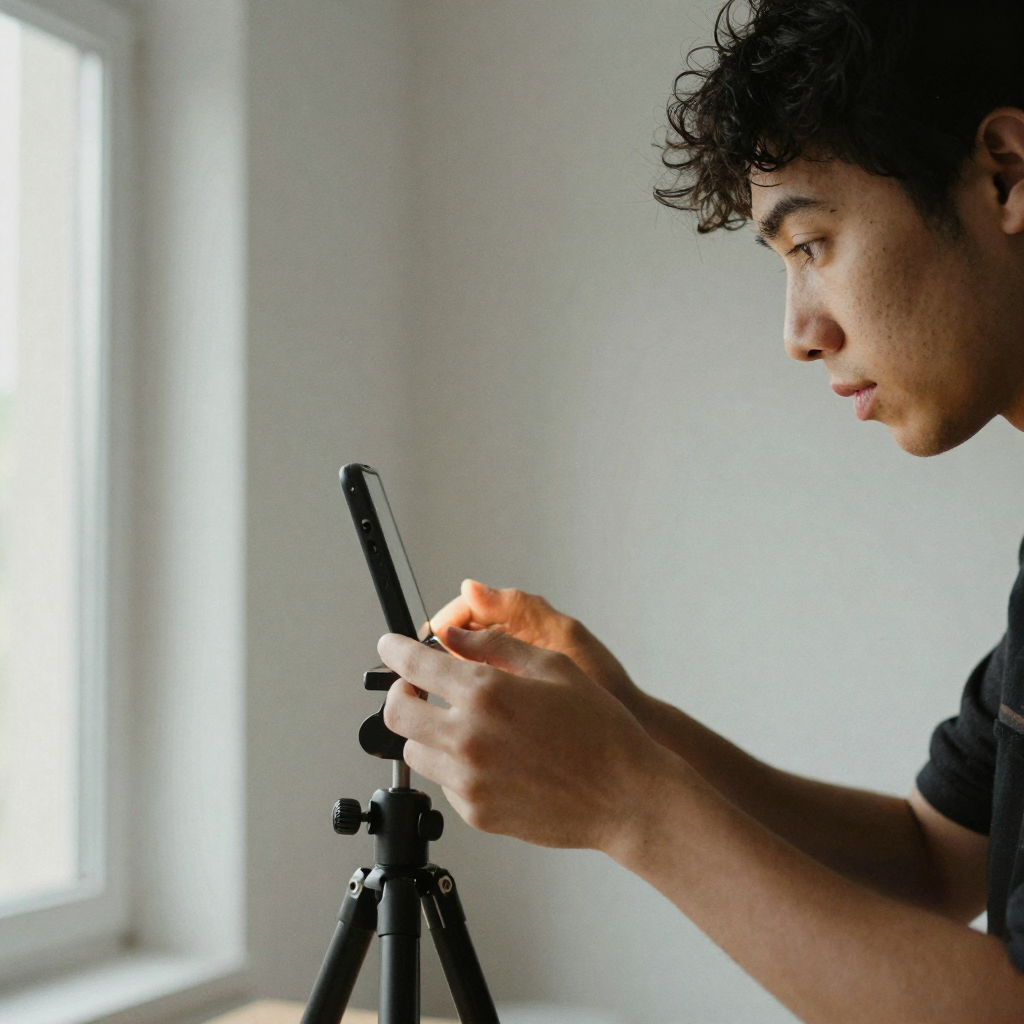
- Creators who need daily posts. Stay on-camera without living on-camera. Train once, then fill Reels covers, carousels, and story stills that still look like you — even on days you never open a camera.
- Founders and product brands. Keep a human face on ads and product pages without booking UGC every week. The same spokesperson look holds across campaigns and seasons.
- Virtual influencer projects. Design a character in Character Studio, then produce a consistent feed for entertainment or a brand experiment — no real person required.
- Personal brand and thought leadership. Professional portraits and lifestyle shots that match your LinkedIn and site, without a studio day for every update.
- Agencies shipping client faces. Lock a client’s identity once, then iterate outfits and backgrounds for always-on creative tests faster than a reshoot cycle allows.
- Catalog and lookbook scale. Pair one consistent face with new outfits and sets so a lookbook feels cohesive — not like five different models were hired mid-shoot.
- E-commerce product-as-character. Train on product photos from multiple angles and treat the product itself as the recurring hero across orbit, macro, and lifestyle shots.
If you can name a workflow where the same face needs to appear at content volume, it fits the pattern.
8.Strong alternative: Higgsfield Soul ID stack
Best for: creators who live inside a video-first suite and want presets + multi-model cinema.
8.1Strengths
- Soul ID multi-photo identity
- Viral preset library
- Cinema-style camera controls
- Aggregated video models
8.2Trade-offs
- Subscription-first economics
- Premium models often tier-gated
- Monthly credits may not roll over
- Image/voice stack may require other tools
See: Higgsfield alternative 2026.
9.2026 market context (evidence)
Competitor heat concentrates on:
- Multi-shot AI video + native audio (Seedance-class, Kling-class)
- Character consistency (Soul ID-style layers)
- Viral presets for social volume
Higgsfield’s public suite markets Soul ID, Cinema Studio, viral presets, and multi-model video under subscription tiers (~$15 / $39 / $99 annual framing). That is the benchmark many “AI influencer” buyers compare against.
Imagera’s internal purchase first-touch sample (60 days) showed paid users arriving from homepage, authenticity-check content, LoRA trainer, and video upscale — not free utility blogs. Influencer content should therefore speak commercial language: brands, reels, ads, train-once — not “free AI avatar.”
10.Other approaches (when they make sense)
| Approach | Use when | Risk |
|---|---|---|
| Midjourney / pure image gens | Concept art faces | Weak long-run identity |
| Generic face-swap apps | One-off memes | Rights + consistency issues |
| Local ComfyUI + LoRA | Max control, free compute | Ops heavy, no hosted reels |
| CapCut templates + stock faces | Fast UGC style | Not a unique brand face |
11.Comparison matrix
| Tool | Identity | Video reels | Entry cost | Ownership feel |
|---|---|---|---|---|
| Imagera Personal Influencer | Train-once LoRA / influencer | Yes (reels + I2V paths) | $19.99 packs | High |
| Higgsfield Soul ID | Multi-photo Soul ID | Strong (suite-native) | ~$15+/mo sub | Medium–high |
| Pure image generators | Prompt luck | Weak | Varies | Low |
| Local LoRA | Excellent if skilled | DIY | GPU time | Highest DIY |
11.1One-shot generators vs a trained identity
The clearest way to see why train-once wins for commercial work is dimension by dimension:
| Dimension | Typical one-shot AI | Imagera Personal Influencer |
|---|---|---|
| Face consistency | New face almost every prompt | Train once — same identity across tools |
| Workflow | One trick per app or tab | Train, generate, pose, edit, swap in one suite |
| Speed to content | Lucky generations + heavy re-prompting | Minutes to train, then high-volume on-brand stills |
| Commercial use | Often unclear or restricted | Full commercial rights on paid generations |
| Pricing model | Monthly lock-in for one feature | Pay for what you create — no idle “face tax” seats |
Pretty images are easy. A face people still recognize next week is the hard part — and it is the part a one-shot generator is structurally unable to guarantee.
12.Tips for best results
Getting a stable identity is mostly about the inputs and a disciplined process:
- Feed variety, not volume. 10–30 photos across different angles, lighting, and expressions beat 50 near-identical selfies. The model learns the face from its range, not its repetition.
- Generate stills before video. Stills are cheaper to iterate. Pick your winners first, then spend on reels — don’t burn credits animating a frame you would have rejected as a photo.
- Standardize prompt blocks for outfit series. Reuse a consistent scene/lighting description and change only the wardrobe. This keeps a lookbook cohesive.
- Batch outfits in one session to reduce back-and-forth retries.
- Use Instant Character to test, full training to ship. Prove the concept fast, then commit to a full train when you know you’ll build a large library.
- Upscale only finals. Run the image upscaler or video enhancer on approved assets, not every draft.
- Prefer never-expire packs if posting is bursty. If you ship in campaign bursts rather than daily, credit packs avoid paying for a quiet month.
- Reject “beauty-filter face” if your brand is documentary. Run a humanizer pass for realistic skin (AI image humanizer) when the plastic look breaks trust.
13.Common mistakes to avoid
- Optimizing for a pretty face instead of series coherence. One stunning image is worthless if image #12 is a different person. Judge the set, not the hero shot.
- Training on weak inputs. Sunglasses in every photo, one angle only, or heavy filters produce a mushy, near-miss likeness. Fix the references, not the prompt.
- Regenerating identity from text after training. Once you have a trained identity, keep using it. Don’t drop back to “a woman with brown hair” prompts and expect consistency.
- Skipping disclosure. Synthetic-persona rules on ad networks and platforms change often. Ship compliant from day one rather than retrofitting.
- Training a face you don’t have rights to. Only train your own face, a character you own, or cleared talent.
- Stacking subscriptions for one feature. If you’re testing 10 characters a month, credit packs usually beat paying for seats you barely touch.
14.Cost control tips (quality traffic buyers care)
- Generate stills first — cheaper to pick winners before video
- Standardize seed/prompt blocks for outfit series
- Batch outfits in one session to reduce retries
- Upscale only finals (image upscaler / video enhancer)
- Prefer never-expire packs if posting is bursty
15.Examples: what high-intent buyers ship
15.1Pattern A — Virtual brand spokesperson
- Train once on a brand-approved face (licensed model or owned IP character)
- Weekly wardrobe drops using inpaint on the same identity
- Talking-head reels for product launches
- Success metric: ad CTR and return visits, not likes alone
15.2Pattern B — Creator clone (self)
- Train on your own selfies under consistent lighting
- Reels for tutorials and lifestyle
- Optional humanizer pass for photoreal skin
- Success metric: follower trust and affiliate conversions
15.3Pattern C — Product-as-character
- Train on product photos from multiple angles
- Orbit, macro, and lifestyle reels for Shopify
- Pair with the product reels guide
- Success metric: add-to-cart rate from organic social
These patterns match commercial search intent far more than free face-swap novelty. They are also closer to the Soul ID + Seedance workflows competitors monetize — Imagera’s answer is train-once ownership plus flexible credits.
16.Legal & platform notes
- Paid Imagera plans include commercial rights on outputs — still follow ad network and platform rules for synthetic media.
- Disclose AI-generated personas where required (FTC guidance, Meta/TikTok policies update often).
- Do not train on faces you do not have rights to use.
17.Who should buy what
| Buyer | Recommendation |
|---|---|
| Brand building a long-term virtual spokesperson | Imagera train-once + reels |
| Solo creator chasing daily viral formats | Higgsfield presets or Imagera if identity-led |
| E-com product-as-influencer (product hero) | Imagera product reels + identity |
| Agency testing 10 characters / month | Credit packs (Imagera) to avoid stacked subs |
18.Related guides
- Create AI virtual influencer step-by-step
- Train LoRA online without GPU
- Higgsfield alternative
- Product reels for Shopify & Etsy
- Tool: Personal Influencer
19.Quality bar for AI influencer content
Brands fail when they optimize for “pretty face” instead of series coherence. Use this production bar:
| Check | Pass criteria |
|---|---|
| Face lock | Same bone structure and age across 10 images |
| Wardrobe variety | 5+ outfits without identity drift |
| Scene variety | Indoor/outdoor without new random person |
| Video continuity | First and last frame of a reel still “same person” |
| Brand fit | Lighting and color grade match brand kit |
| Legal | Rights + disclosure ready |
19.1Prompt hygiene
- Lock age range, features you have rights to use, and camera language.
- Avoid regenerating identity from text alone after training.
- Keep a style bible (3 reference stills always attached).
- Reject “beauty filter face” if your brand is documentary/realism — run a humanizer pass if needed (AI image humanizer).
20.Funnel: from searcher to buyer
High-quality traffic for influencer tools is not free-avatar curiosity. It is:
- Brand marketers searching AI influencer generator
- Creators searching consistent character AI / Soul ID alternatives
- Agencies comparing cost per asset
Landing pages must answer pricing early (from $19.99), show multi-scene identity, and CTA to Personal Influencer — not a generic dashboard tour.
Imagera’s internal data shows free-tool SEO produces volume without purchase density. Influencer posts should therefore internal-link to LoRA training, product reels, and Higgsfield alternative comparisons — the commercial cluster — rather than free compress/resize tools.
21.14-day launch plan (operator checklist)
| Day | Action |
|---|---|
| 1 | Train identity; export style bible |
| 2–3 | 30 stills across scenes |
| 4 | Pick 10 winners |
| 5–7 | 5 short reels |
| 8 | Voice/music pass if needed |
| 9 | Disclosure + bio setup |
| 10–12 | Publish 3 posts; measure saves/CTR |
| 13–14 | Iterate wardrobe; kill weak angles |
Track cost per published post = credits used / posts that went live. If that number exceeds your CPA target, change model tier or reduce video length before blaming the platform.
22.Bottom line
The best AI influencer generator is the one that treats identity as a business asset, not a one-click novelty.
If you need train-once ownership, reels, and pay-from-$19.99 economics: start with Imagera Personal Influencer. If you need preset-heavy multi-model video culture: evaluate Higgsfield — then compare credit burn honestly.
Create your AI influencer on Imagera · Plans from $19.99