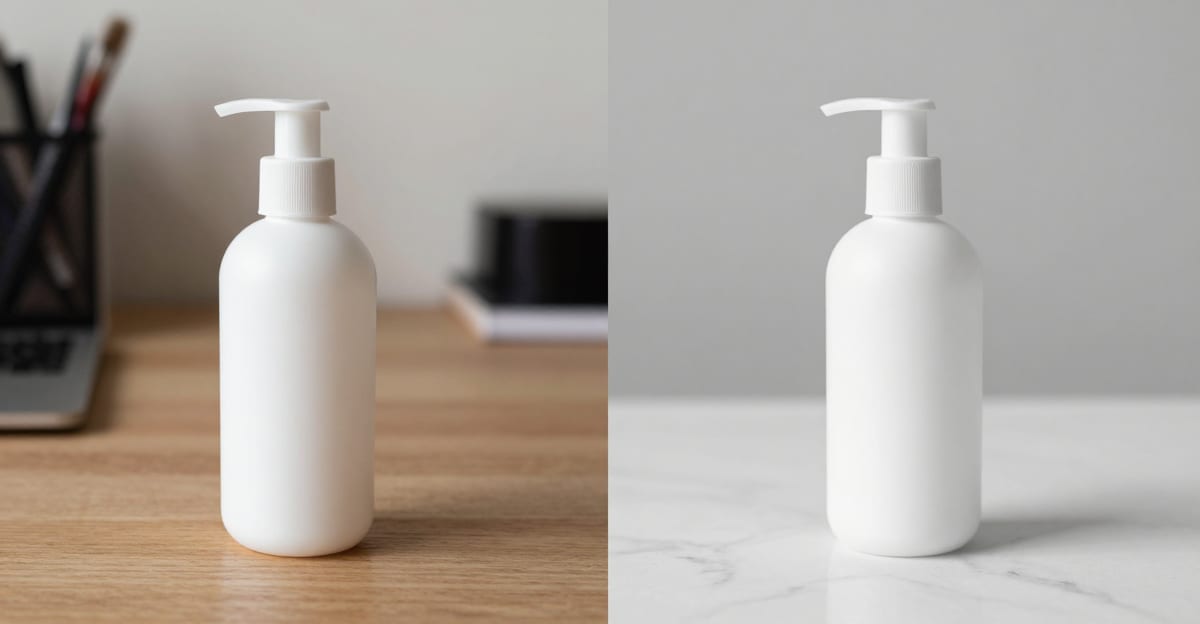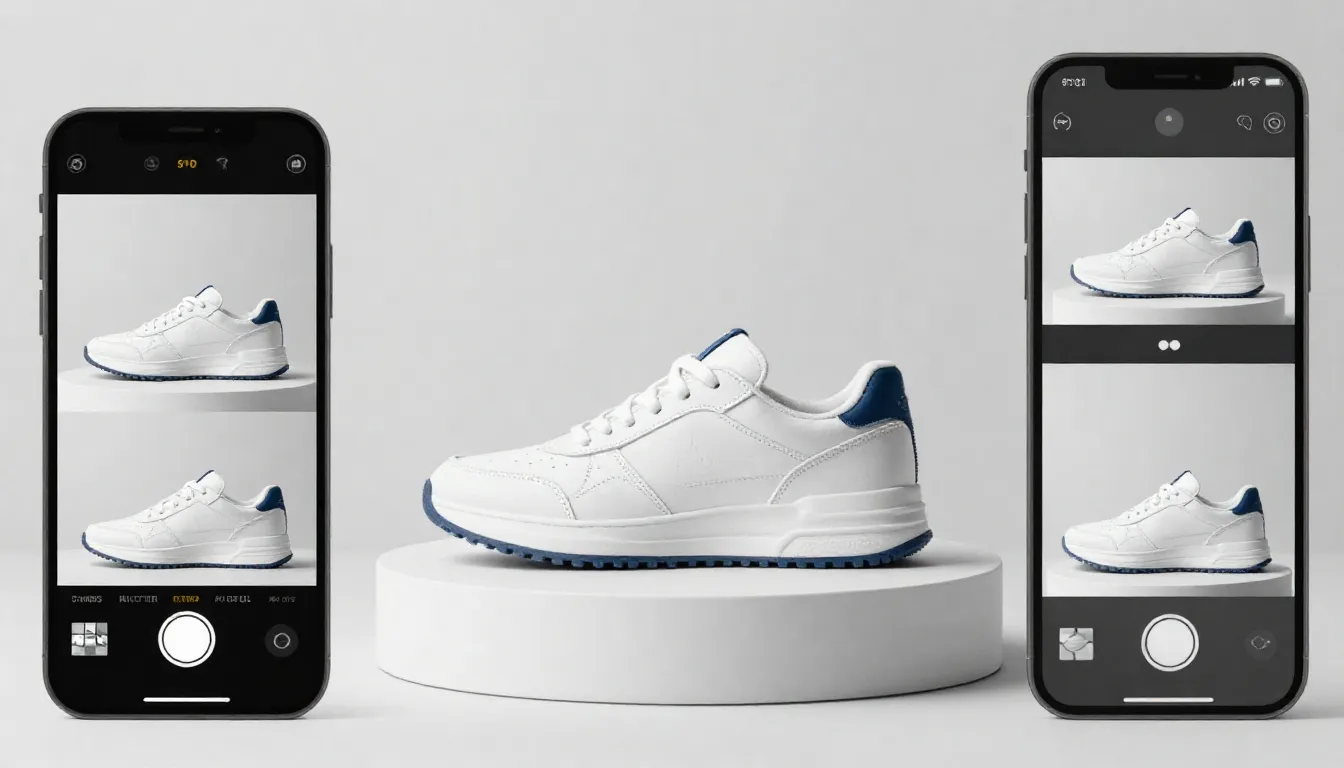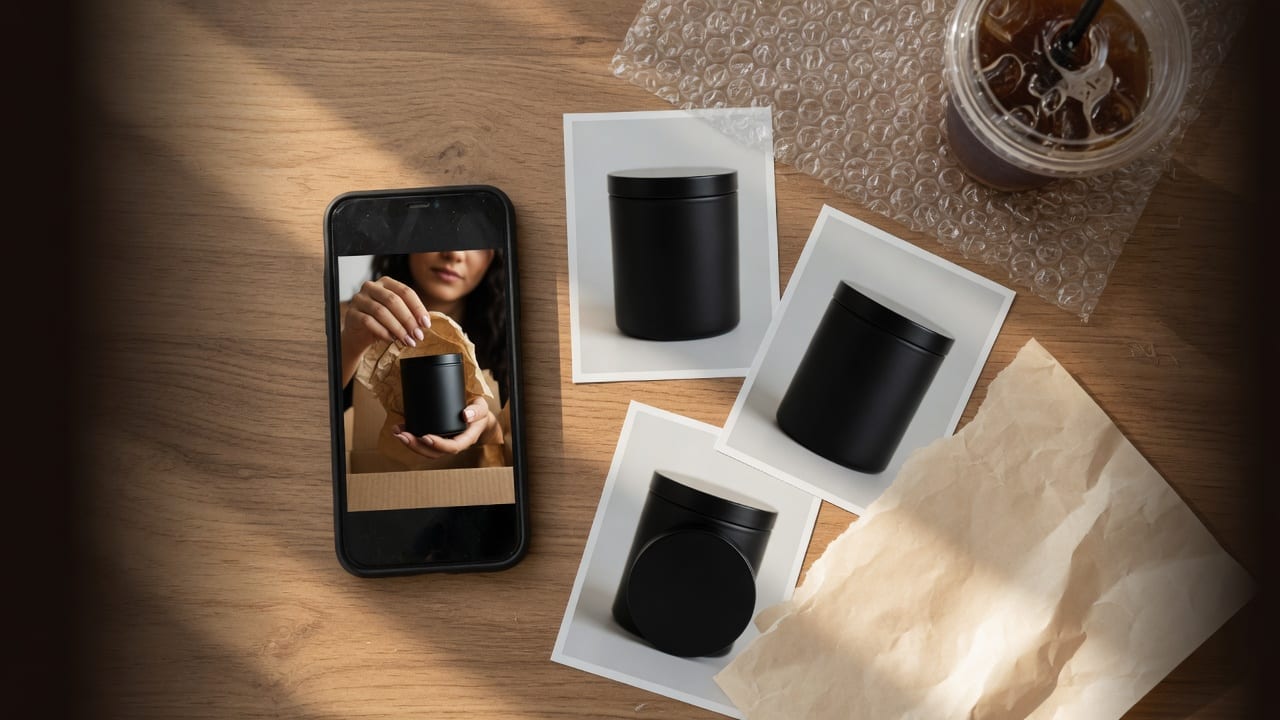
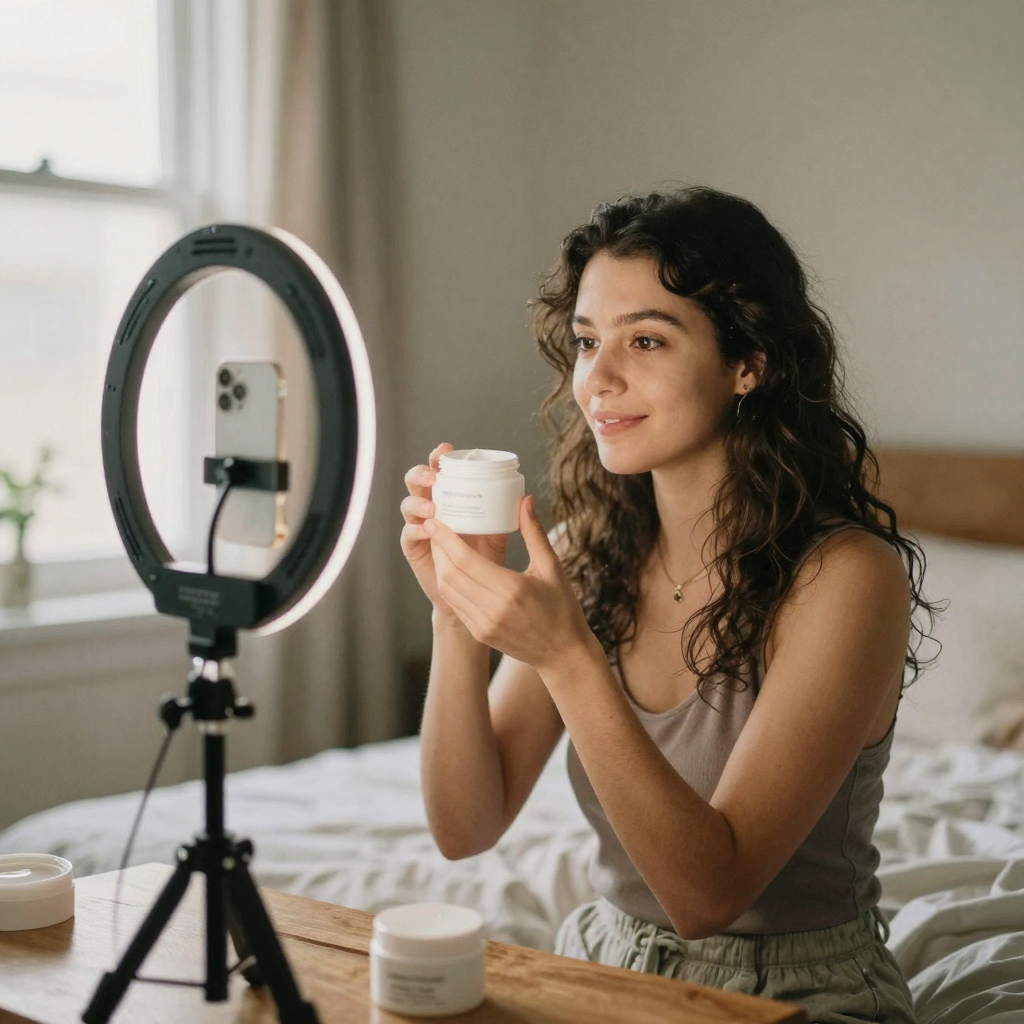
 AI UGC product ads start from the photos you already have — packshots, simple lifestyle stills, and creator-style frames. Performance marketing is a testing game: multiply hooks, kill losers, scale winners. Image-to-video and reel tools make that possible without a full creator shoot for every experiment.
On Imagera, use Product Reel Maker and Human Reel Maker. Credits from $19.99. Pay when you generate.
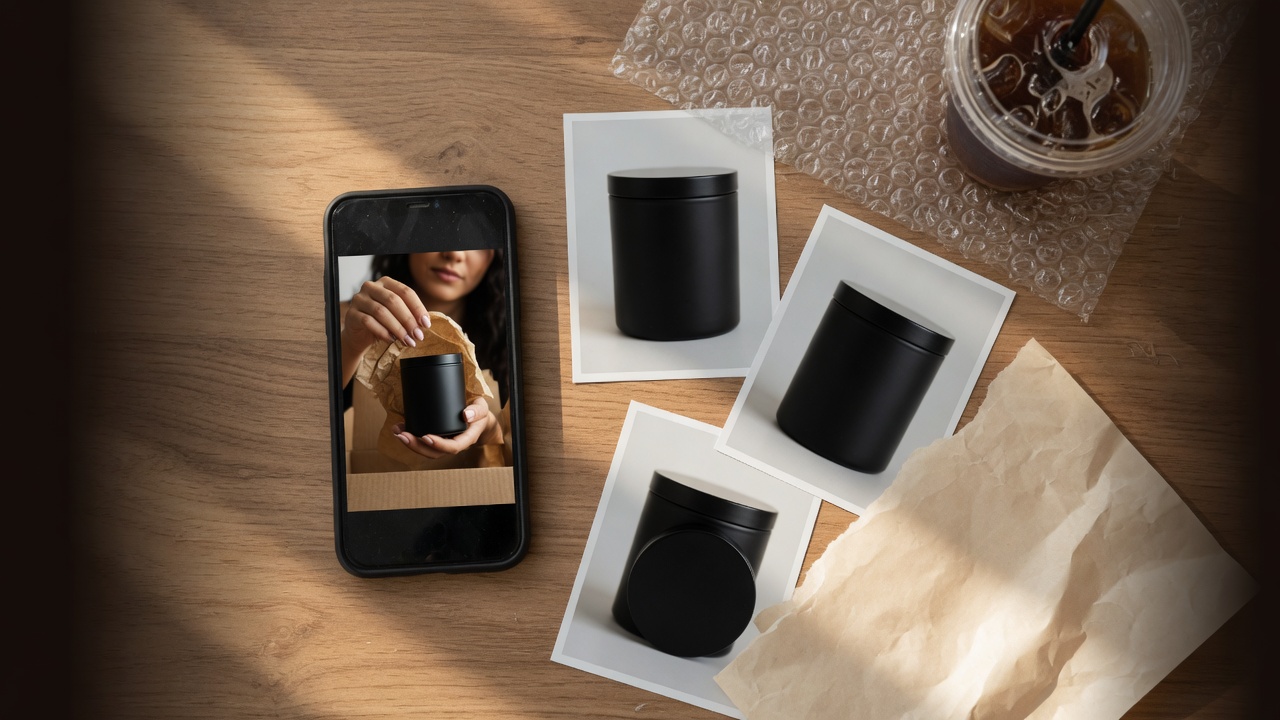
Real Imagera output: a product photo turned into a promo reel.
Quick answer: Yes — in 2026 you can turn existing product photos into UGC-style video ads by animating packshots and lifestyle stills into vertical clips, then testing them across TikTok, Meta, and Reels. On Imagera, Product Reel Maker and Human Reel Maker do this from stills you already own.
1.How do I make AI UGC ads from product photos in 2026?
Upload 1 clean packshot or lifestyle still, generate a 9:16 vertical clip in Product Reel Maker or Human Reel Maker, and add a native hook and captions. Start with 3–5 hook variants per offer, export in up to 4K, kill losers under a minute of review, and scale only the 1–2 winners. Credits from 5 per short clip; pay only when you generate.
2.Should I use AI UGC or hire real creators?
Use both. AI lets you test many hooks for the credit cost of a single creator shoot, so most brands run 3–4 AI variants first, then commission 1 real creator once a winner emerges. Most ad variants simply won't land, so cheap volume testing before you commit spend usually beats polishing one expensive hero clip in 2026.
3.Where to start on Imagera
| Job | Path |
|---|---|
| Product stills → ad clips | Product Reel Maker |
| Person-forward UGC energy | Human Reel Maker |
| Clean product stills first | Product Photography · Fast Edit |
| Voiceover later | Popular AI Voice |
| Pricing | Pricing |
4.The stills-first pipeline
4.11. Brief (15 minutes)

- Offer and angle
- Audience
- Forbidden claims
- Must-show product features
- Platform: TikTok, Meta, or Reels
4.22. Still prep
- Clean backgrounds in Fast Edit
- Fix packaging text via Edit Text in Image when needed
- Optional realism pass on synthetic lifestyle frames via Humanizer
4.33. Motion generation
- Product-led → Product Reel Maker
- Person-led → Human Reel Maker
- Default 9:16
- Generate 3–5 variants per angle, not 50
4.44. Hook writing
Write the first line before you fall in love with motion:
- Problem first
- Demo first
- Social proof first
Captions for sound-off. CTA at the end, not a monologue.
4.55. QA gate
- Logo legible at phone size
- No unapproved medical or financial claims
- No uncanny hands or plastic AI sheen
- Native captions ready
4.66. Test → kill → scale
Track hook rate, CPA or ROAS by creative, and credits per winning ad.
5.Example test matrix
| Cell | Creative | Hook style | Platform |
|---|---|---|---|
| A | Product spin | Problem first | TikTok |
| B | Texture push-in | Demo first | Meta |
| C | Human hold | Social proof | Reels |
| D | Unbox energy | Curiosity | TikTok |

Spend just enough to rank cells. Do not scale C if A is clearly better.
6.AI vs real creators
AI multiplies exploration. Real creators still win for:
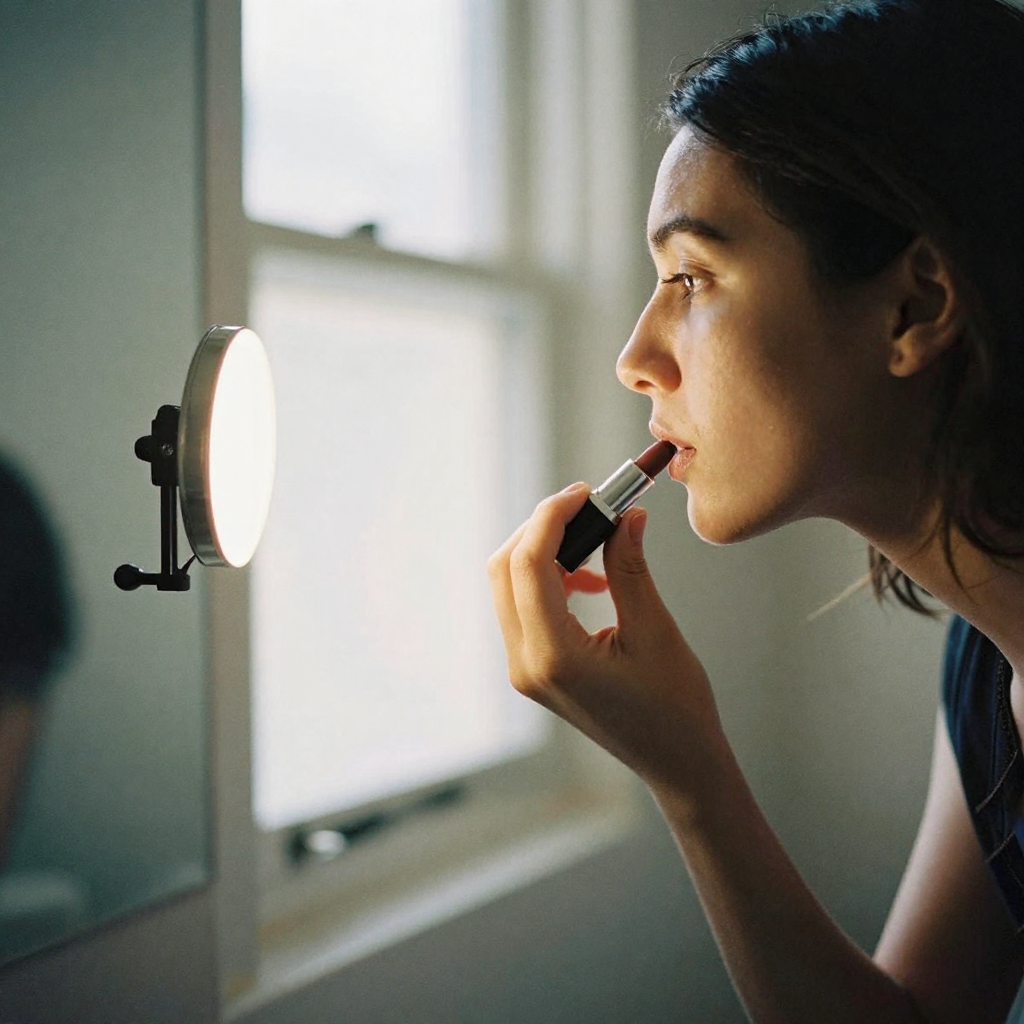
- Trust-sensitive categories
- Long-form reviews
- Moments that need real human chemistry
Mature teams use both.
7.Compliance
You own ad platform policies, endorsement disclosure, likeness rights, and product claim substantiation. Imagera generates assets; it does not clear legal risk.
8.Pricing
Pay-first. Packs from $19.99. Confirm studio meters. Pricing.
9.Team roles that keep quality high
| Role | Owns |
|---|---|
| Brand / merch | Product truth and claims |
| Creative | Hooks and variants |
| Media buyer | Tests and budgets |
| Ops | Credits and asset library |
Without clear ownership, teams generate volume that never ships.
10.Asset library hygiene
Keep a weekly folder structure:
/brand/sku/week/ stills/ motion/ winners/ kills/ notes.md
Notes should include credits spent and why a clip died (logo, uncanny motion, weak hook). That feedback loop improves the next batch more than any single prompt trick.
11.Shopify and Amazon stills
Use the highest-quality masters you own. Marketplace screenshots with watermarks are poor masters. If listing images are the only assets, clean them in Fast Edit before motion.
12.Why stills-first UGC wins for testing
Paid social rewards volume of learning. Full creator shoots produce high craft and low iteration speed. Stills-first AI UGC flips that: low craft per unit, high iteration speed. Use AI to find the hook, then invest real production in winners if the category needs it.
13.Funnel mapping
| Funnel stage | Creative job | Still → motion idea |
|---|---|---|
| Cold traffic | Pattern interrupt | Spin, slam zoom, bold first frame |
| Warm traffic | Proof | Texture, demo, before/after still pair |
| Retargeting | Objection handling | Label close-up, size comparison |
| Retention | Community / UGC feel | Human hold, unbox energy |
Do not use the same clip for every stage. Kill vanity production.
14.Building a 30-day creative system
Week 1: 3 offers × 4 hooks = 12 tests
Week 2: Double down on top 3 hooks; new angles on losers only if learning remains
Week 3: Introduce human-forward variants for the winning offer
Week 4: Produce higher-craft versions (real creator or studio) for the proven hook
Credits should decline as learning increases. If credits rise while ROAS falls, the process is broken.
15.Claims and compliance checklist
- No medical cure language without substantiation
- No income claims without evidence
- Disclosures for material connections
- Platform-specific restricted categories
- Trademark and packaging accuracy
AI makes fabrication easy. Your brand still owns the lawsuit.
16.Example: DTC supplement (illustrative workflow)
- Clean packshot and texture stills.
- Product Reel: spin + label push.
- Human Reel: hold and pour energy (if claims allow).
- Captions with compliant benefit language.
- Micro-test on TikTok and Meta.
- Kill non-performers in 48–72 hours depending on spend.
17.Related reading
- Image to video for Instagram Reels
- Ecommerce product photography AI
- Amazon product photography guide
18.Offer architecture before creative
Creative cannot fix a weak offer. Before generating:
- Clear promise
- Clear proof type
- Clear CTA
- Clear audience
Then design hooks that express that offer in the first second. AI multiplies expression; it does not invent a business model.
19.Iteration loops that actually learn
Bad loop: generate 40 clips, boost all of them, learn nothing.
Good loop: generate 8 clips, test 4, kill 3, scale 1, write why, next batch targets the gap.
Write the “why” in notes.md. Without written learning, next week repeats last week’s mistakes with new credits.
20.Creative fatigue
Winning ads decay. Plan refresh cycles:
- New still angle
- New first frame
- New hook line
- New human vs product ratio
Identity Editor and Fast Edit help refresh stills so motion variants stay fresh without full reshoots.
21.Messaging angles beyond “it works”
Strong UGC angles:
- Objection: “I thought it would be flimsy…”
- Ritual: “My 7 a.m. routine now includes…”
- Comparison: “I switched from X because…”
- Social: “Three friends asked me what this is…”
- Demo: “Watch the texture when it catches light…”
Each angle wants different motion. Objection clips need clear product readability. Ritual clips tolerate more lifestyle motion.
22.Negative examples (kill these immediately)
- Product unreadable for first 2 seconds
- Hands melting on person holds
- Text claims not on landing page
- Watermarks
- Aspect wrong for placement
- Audio that fights the message
Killing early is a skill. Soft teams keep generating around bad ideas.
23.Scaling winners without creative blindness
When a hook wins:
- Make two visual variants of the same hook line
- Make one human-forward and one product-forward version
- Localize caption spelling if needed
- Refresh still lighting via Fast Edit for a “new” feel
- Retire after fatigue metrics rise
Do not only increase budget on a single file forever.
24.Cross-channel repurposing
- TikTok winner → try on Reels with caption polish
- Reels winner → try as Meta video view / traffic
- Static crop of first frame → collection ads
- Talking avatar version of the same claim for remarketing
One learning should feed multiple placements.
25.Unit economics thinking for creative tests
Estimate roughly:
- Credits per clip
- Clips per winning hook
- Ad spend needed to rank hooks
- Value of a winning creative’s lifespan
If one winning creative funds a month of testing, the system works. If testing costs more than any winner returns, fix offer or targeting before more generation.
26.Audience research inputs that improve hooks
Mine:
- Reviews (praise and complaints)
- Support tickets
- Sales call notes
- Competitor comments
- Reddit / forum language (without copying claims illegally)
Turn repeated phrases into hook lines. Motion then illustrates the line.
27.Creative QA board (weekly)
30-minute meeting agenda:
- Show winners and killers
- Read notes.md failures
- Pick next week’s 3 angles
- Assign credit budget
- Confirm compliance on claim language
This is how teams get thick results without chaos.
28.Landing page alignment
Ads that promise what the landing page does not convert poorly and risk policy issues. Before scaling:
- Same product
- Same price logic
- Same primary claim
- Same imagery family
AI makes mismatch easy. Process makes alignment automatic.
29.Hook formulas with motion pairing
| Hook type | First line pattern | Motion pairing |
|---|---|---|
| Problem | “If your ___ still…” | Product static then reveal |
| Curiosity | “Nobody shows this angle…” | Orbit / side reveal |
| Proof | “After 30 days…” | Texture close-up |
| Social | “Three people asked me…” | Human hold |
| Demo | “Watch what happens when…” | Action motion |
Write the line first. Motion serves the line.
30.Pre-flight legal 10 questions
- Is the claim on the site?
- Is the price accurate?
- Is the product the current version?
- Any health claims needing substantiation?
- Any income claims?
- Disclosure needed?
- Music rights cleared?
- Face rights cleared?
- Competitor marks visible?
- Restricted category rules checked?
If any answer is “unsure,” do not scale spend.
31.Post-mortem template
After each test cycle:
- Winner ID and metrics
- Killer IDs and metrics
- Hypothesis confirmed/rejected
- Next test
- Credits spent
- Media spent
Store post-mortems. They become your creative moat.
32.How many UGC variants should you generate before scaling one?
Test three to five hooks per offer, then concentrate spend on the clear winner. Each variant is a fresh generation that costs credits and render time, so a small, deliberate set beats a shotgun blast. Change one lever per variant — the hook line, the opening frame, or the motion pairing — so you can read which lever moved hook rate and CPA. On short-form platforms the first line and first visual drive most of the difference in scroll-stop, so vary those before touching pacing or track. Once one cell out-holds the rest, put budget behind it and spin the next round off that winner.
| Variant lever | What to change | Why test it |
|---|---|---|
| Hook line | Problem vs curiosity vs proof opener | First line sets scroll-stop rate |
| Opening frame | Product spin vs texture push-in vs human hold | First visual decides the swipe |
| Format | Product Reel vs Human Reel | Person-forward energy vs clean product focus |
| Aspect crop | 9:16 master → 4:5 / 1:1 re-export | Wins more Meta feed real estate |
| Caption copy | New on-screen text in your editor | Cheapest change, often highest impact |
33.When should you use Human Reel Maker instead of Product Reel Maker?
Choose by the hook, not by habit. Use Product Reel Maker when the story is the product itself — texture push-ins, spins, packaging reveals, and demo motion where the object is the star. Reach for Human Reel Maker when the hook needs a person: social-proof "three people asked me," a hold-and-react, or creator-style energy that borrows trust from a face. Many winning accounts run both against each other in the same test cycle, because product-led and person-led creative pull different audience segments. If a person appears, clear face rights before you scale spend, and keep hands and skin natural so the clip reads as filmed rather than synthetic.
34.Deeper guide (practical production)
35.Bottom line
Paid social is a testing game. Turn photos into clips fast, kill losers faster.
Next steps: Product Reel Maker · Human Reel Maker · Image to video Reels guide · Pricing