Create standards-ready passport and ID photos
Free passport, visa & ID photos — auto-cropped to any country's exact size, background and file size, right on your device.
Imagera AI - AI content creation platform for generating images, cloning voices, creating avatars, and enhancing videos. Privacy Policy | Terms
Should your resume have a photo? The honest answer is: it depends on the country. In the US, UK, Canada and Australia, recruiters expect a text-only resume — a photo can invite hiring bias and even trip the applicant-tracking systems that parse your application. But in Germany, Austria, Switzerland and much of continental Europe, a professional CV photo is still expected, and leaving it off can make your application look incomplete. Imagera handles both worlds: it turns a few selfies into a clean, studio-lit CV photo formatted to the proportions European employers expect — so you can add a polished photo when the market wants one, and confidently leave it off when it doesn't.
| Need | Typical alternative | Imagera |
|---|---|---|
| Speed | Desktop installs, queues, or studio bookings | Browser studio — generate when you need it |
| Pricing | Annual seats you may not fully use | Credit-based — pay when you create |
| Workflow | One narrow tool, many tabs | Connected Imagera suite for the full job |
Use Imagera AI Headshot with role-specific guidance — upload selfies and get a professional portrait styled for your profession in minutes.
Professional AI headshot A professional AI headshot is a career-ready portrait generated from selfies with likeness preserved for LinkedIn, licensing, and CVs.
Use Imagera AI Headshot with role-specific guidance — upload selfies and get a professional portrait styled for your profession in minutes.
Before/after demo proof — then open the studio on your own file.
Professional lighting and framing in one pass. Ship LinkedIn-ready portraits today.
Plans start at $19.99/mo
Whether to put a photo on your resume depends on the country. In the US, UK, Canada and Australia, leave it off — recruiters expect no photo and an image can trip applicant-tracking systems. In Germany, Austria, Switzerland and much of continental Europe, a professional CV photo is still expected. Imagera builds one to spec when you need it.
Imagera helps you do the right thing for each market: a clean, professional CV photo for German, Austrian, Swiss or French applications, and the confidence to submit a photo-free resume in the US, UK, Canada and Australia, where recruiters and ATS software both prefer no image. One upload covers both versions of you.
There's no single legal CV-photo spec, but the convention is a portrait, head-and-shoulders crop on a neutral background — passport-style, but with a natural expression. Imagera's document-spec formatting sizes your photo to sit cleanly in a CV header without bloating the file, so it uploads and prints sharp.
Built from your own selfies, your photo stays recognizably you — the same face that walks into the interview — with only the lighting, framing and attire upgraded. Upload three or four recent photos for the truest likeness, then regenerate in minutes if you change roles or relocate to a photo-expecting market.
It depends entirely on where you're applying. In the US, UK, Canada and Australia, the standard advice is to leave the photo off: recruiters expect a text-only resume, a photo can introduce hiring bias (and legal exposure under laws like the UK Equality Act 2010, Canada's provincial human-rights codes and Australia's Fair Work Act), and an embedded image can break applicant-tracking-system parsing. In Germany, Austria and Switzerland — where a 2006 anti-discrimination law (the AGG) means a photo can't be required yet it remains widely expected — plus France, Spain, Italy and Belgium, a professional CV photo is still the norm, and omitting one can read as an incomplete application. Imagera builds a clean, spec-ready photo for when you need one, and you can simply leave it off when you don't.
Indeed Career Advice — Should I put my picture on my resume?When a CV photo is expected — as in Germany, Austria, Switzerland or France — dress as you would for the interview: a structured blazer or suit jacket over a plain top, in solid, muted colours, with simple necklines and no loud logos or busy patterns (thin stripes can shimmer at thumbnail size). Conservative sectors such as banking, law and government favour a darker suit; creative fields allow a little more warmth. Imagera applies clean business attire automatically, but neat clothing in your selfies gives the truest result.
European CV photos use a plain, evenly lit neutral backdrop — light grey, soft white or pale blue — with your head and shoulders centred and no harsh shadows, much like a passport portrait but with a natural, friendly expression. A clean background also keeps the file small so it doesn't bloat your CV. Imagera generates neutral studio backdrops and formats the crop to sit cleanly in a CV header.
of résumé-parsing failures come from the tables, columns and graphics a photo layout forces — a core reason US, UK and Australian recruiters favour clean, photo-free resumes · source
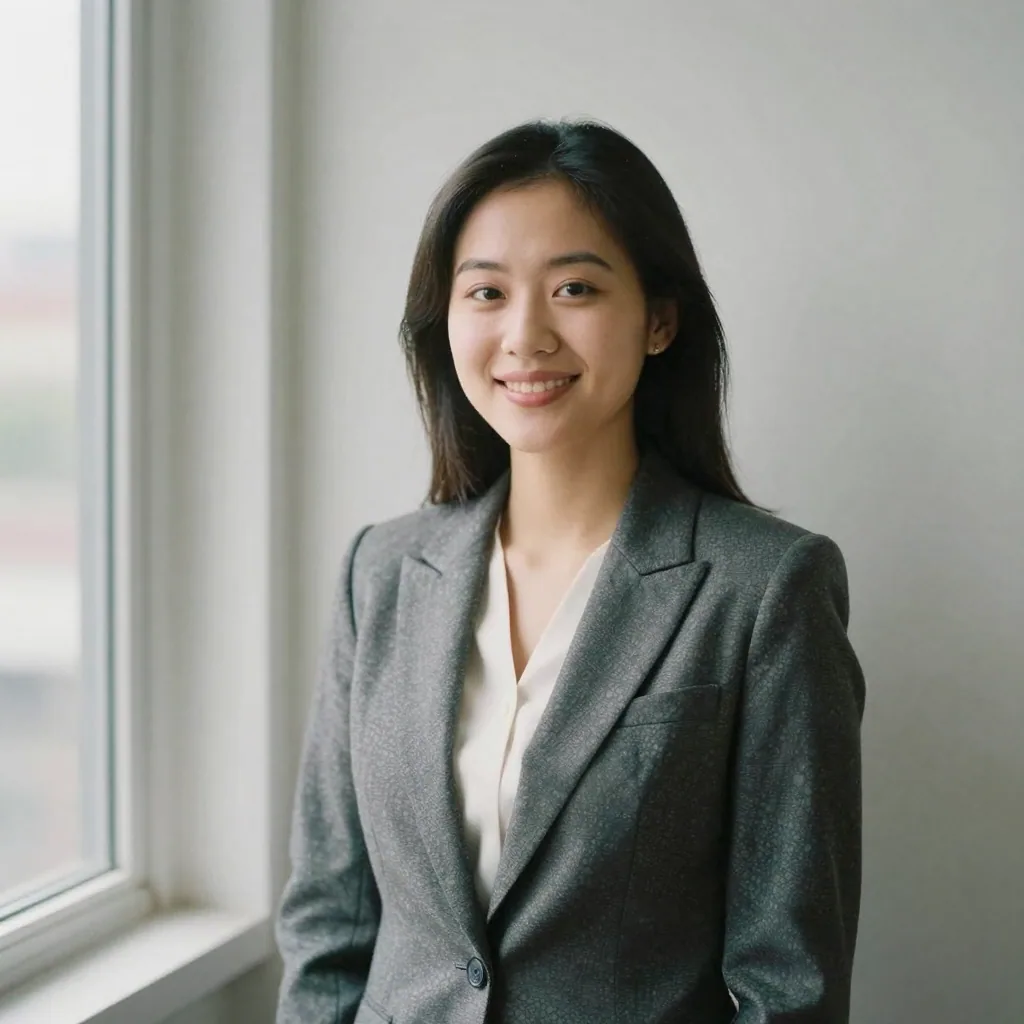
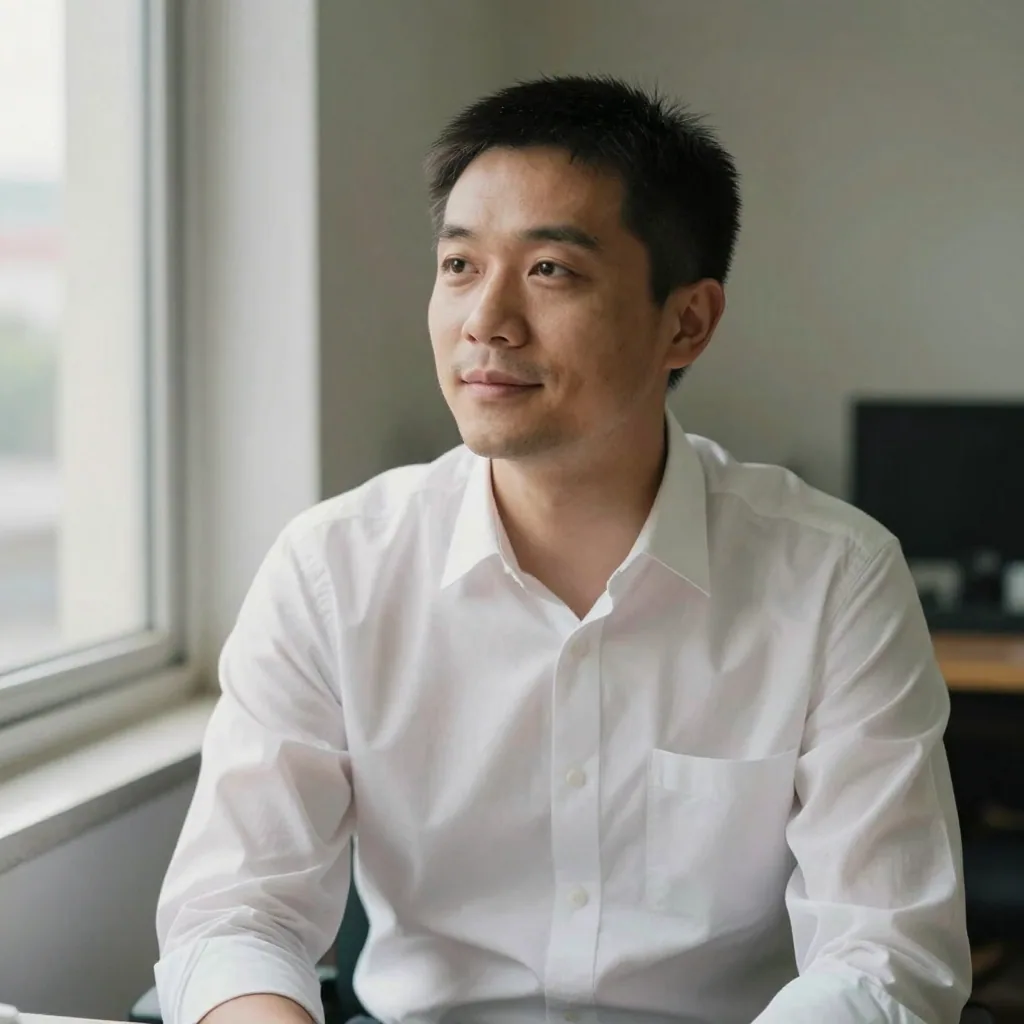
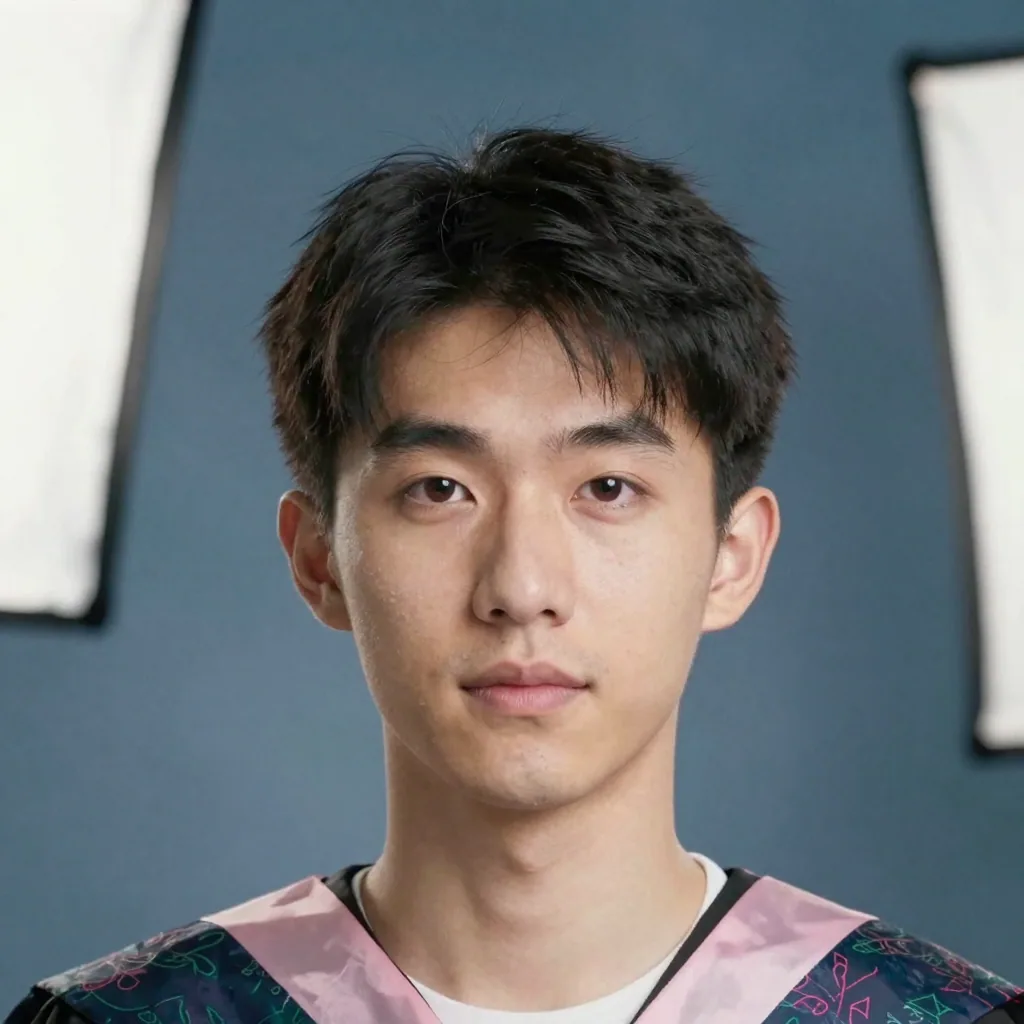
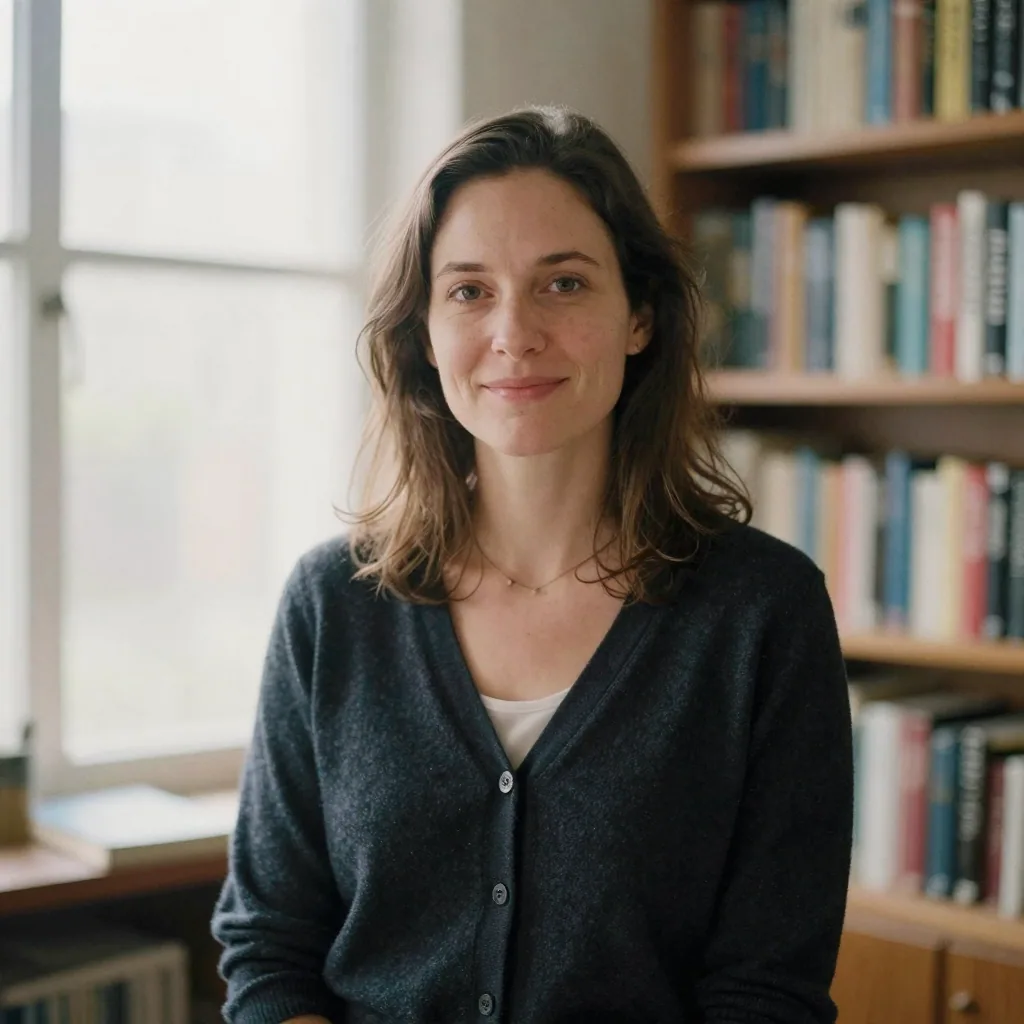
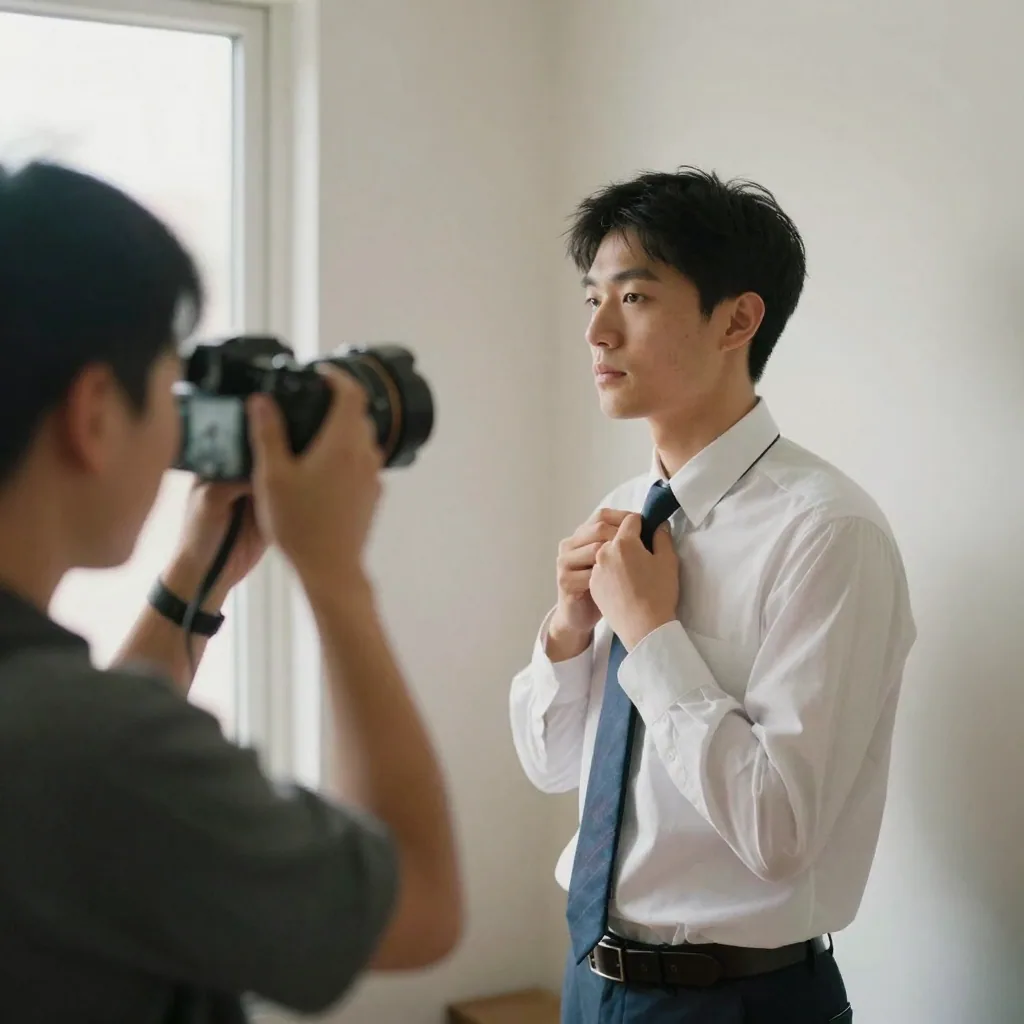
No — in all four countries the standard advice is to leave it off. Recruiters expect a text-only resume, an unrequested photo can introduce hiring bias (with legal exposure under rules like the UK Equality Act 2010 and Australia's Fair Work Act), and many HR teams strip photos before circulating a CV internally. Put your professional headshot on LinkedIn instead.
Germany, Austria and Switzerland most strongly — a 2006 anti-discrimination law (the AGG) means a photo can't be required there, yet it remains widely expected in practice, and omitting one can read as an incomplete application. France, Spain, Italy, Portugal and Belgium also commonly include a CV photo, while the Netherlands and the Nordic countries are moving away from it. Always check the local convention.
It can contribute. ATS software parses text, and embedded images, multi-column layouts and graphics are a known cause of parsing errors — ResumeAdapter's analysis of real pipeline data attributes 23% of parsing failures to tables, columns and graphics. (The often-quoted '75% auto-rejected' figure is unsubstantiated.) In photo-free markets, a clean single-column resume parses most reliably.
There's no single legal spec, but the convention is a portrait, head-and-shoulders crop on a plain neutral background — essentially a passport-style photo with a natural, friendly expression. Keep the file small (a compressed JPG or PNG) so it doesn't bloat your CV. Imagera's document-spec formatting sizes and crops the photo to sit cleanly in a CV header and upload sharp.
In the US, UK, Canada and Australia, yes — that's the recommended split. LinkedIn is a networking platform where a photo is expected and lifts profile views, while a PDF or printed resume in those markets should stay text-only to avoid bias and ATS issues. Imagera can produce both from one upload: a LinkedIn headshot and a CV photo for European applications.
It's a real risk in the US, UK, Canada and Australia, which is why recruiters discourage unrequested photos. A photo reveals age, gender and ethnicity, which anti-discrimination frameworks — the UK Equality Act 2010, Canada's provincial human-rights codes and Australia's Fair Work Act — are designed to keep out of hiring. Many employers remove photos before review. In Europe's photo-expecting markets, the same image is simply the norm.
Dress as you would for the interview — a blazer or suit jacket over a plain top in solid, muted colours — and use a plain, evenly lit neutral backdrop with your head and shoulders centred and a natural expression. Conservative sectors favour a darker suit. Imagera builds exactly this from a few selfies, keeping your real likeness while upgrading the lighting, attire and background.
What employers care about is that the photo clearly and honestly looks like you — the same person who shows up to interview. Imagera builds your photo from your own selfies and preserves your real features, so it reads as a normal studio portrait rather than an invented face. Avoid heavy glamour edits that change your age or appearance; an accurate, current likeness is what a CV photo is for.
On a German-style CV (Lebenslauf), the photo traditionally sits in the top-right corner of the first page, aligned with your name and contact details, as a portrait head-and-shoulders image. A modern application photo (Bewerbungsfoto) is roughly passport-proportioned but with a natural, friendly expression rather than a rigid ID stare. Keep it cleanly cropped and appropriately sized so it doesn't dominate the header or bloat the file. Imagera formats the crop to sit neatly in a CV header, and you place it in the layout your target country expects.
Yes — in the US, UK, Canada and Australia that's the recommended split. LinkedIn is a networking platform where a photo is expected and lifts profile views and connection requests, while your PDF or printed resume in those markets should stay text-only to avoid bias and applicant-tracking-system issues. So you keep a strong professional headshot on LinkedIn and submit a photo-free resume. Imagera can produce both from one upload — a square LinkedIn headshot and a spec-ready CV photo for European applications — so you're covered whichever the market wants.
Use a compressed JPG or PNG and keep the file small so it doesn't bloat your CV or slow an email attachment — a few hundred kilobytes is plenty for a photo displayed at a couple of centimetres in a header. Embed it at a resolution that stays crisp in print (avoid a tiny, over-compressed image that looks blocky), but resist dropping in a full-resolution studio file that balloons the document. Imagera's document-spec formatting sizes and compresses the crop to sit cleanly in a CV header and upload or print sharp.
The Europass CV format includes an optional photo field, and whether to fill it depends on the country you're applying in, not on Europass itself. If you're applying in Germany, Austria, Switzerland or another photo-expecting market, add a clean professional photo; if you're applying in a photo-free market like the UK or Ireland, leave the field empty. Europass simply gives you the slot — the local convention decides. Imagera builds a spec-ready photo for when the target country expects one, and you leave the field blank when it doesn't.
Tailor the resume to each market rather than sending one version everywhere. For US, UK, Canadian and Australian applications, submit a clean, single-column, text-only resume with no photo. For German, Austrian, Swiss, French, Spanish or Italian applications, include a professional CV photo in the header. Keeping two versions ready lets you send the right one without last-minute editing. Because Imagera generates a spec-ready photo from your selfies in minutes, producing the photo version for European roles — and simply omitting it for the rest — is straightforward.
A few. Acting, modelling and some on-camera or hospitality roles legitimately request a headshot or photo because appearance is part of the job — that's different from a standard corporate resume, where an unrequested photo invites bias and can trip applicant-tracking systems. If a US employer explicitly asks for a photo, provide a clean professional one; otherwise leave it off. Imagera can produce a casting-style headshot for those appearance-based roles and a text-only-friendly professional headshot for LinkedIn separately, from the same upload.
It should reflect how you currently look, because the point is that the interviewer recognizes you — so a photo from several years and a different hairstyle ago works against you. In photo-expecting markets, treat it like your LinkedIn photo and update it when your appearance changes noticeably. Because regenerating with Imagera takes minutes rather than booking another studio sitting, keeping a current CV photo is easy: upload a few recent selfies whenever your look changes and produce a fresh, spec-ready portrait for your next application.
Match the wardrobe to the sector, just as you would for the interview. For banking, law, consulting, government and other conservative fields, wear a darker suit or structured blazer over a plain top in solid, muted colours, with a composed expression. For design, media, marketing and other creative fields, you can lean a little warmer and less formal — a smart blazer over an open collar, a friendlier expression — while still looking deliberate and neat. Avoid loud logos and busy patterns like thin stripes, which can shimmer at the small size a CV photo is printed. Imagera applies clean business attire automatically, but neat clothing in your selfies gives the truest result.
They look similar but serve different purposes and different rules. A passport photo is an identity document with strict, biometric specifications and a neutral, unsmiling expression, and government authorities ban AI-generated or digitally altered images. A CV photo is a marketing element on your application — passport-proportioned in framing, but with a natural, friendly expression, and there's no rule against a professionally enhanced photo of yourself where a CV photo is expected. So don't reuse a rigid passport photo on your CV, and don't submit a CV-style headshot for a passport. For government IDs, use Imagera's document-photo spec engine; for a CV photo, use the headshot studio.
Last updated: June 2026 · Imagera formats real headshots from your own photos and preserves your likeness.
Use the primary CTA on this page to enter the tool.
Add your media or brief and set the options you need.
Create the result and export with commercial rights on paid plans.
Imagera AI Team
Unified AI creation platform
Complete your workflow
These pair with Studio Headshot Maker. Every tile says what the tool actually does — without leaving this page.
Create standards-ready passport and ID photos
Adjust pose and styling while keeping the same face
Prepare finished portraits for high-resolution delivery
AI upscaling to 1080p/2K/4K. Ultra-high resolution. Batch process up to 5 images.
Add freckles, pores, scars, tattoos. Remove blemishes. Fix plastic AI skin instantly.
Edit images with Imagera Edit. Inpaint, modify, and transform any part of your image.
Remove flyaway hair and fix fine imperfections with surgical AI precision.