Create standards-ready passport and ID photos
Free passport, visa & ID photos — auto-cropped to any country's exact size, background and file size, right on your device.
Imagera AI - AI content creation platform for generating images, cloning voices, creating avatars, and enhancing videos. Privacy Policy | Terms
A professional headshot is the photo that introduces you everywhere you can't be in person — LinkedIn, your company's About page, a conference speaker bio, a press kit, your email signature and your resume. Research from Princeton shows people form a trust and competence judgment from a face in about a tenth of a second, before they read a single word, so the photo carries real weight. What separates a professional headshot from a selfie isn't an expensive camera — it's five things working together: soft even lighting, a clean background, business attire, a relaxed confident expression and the right crop. Imagera turns a few of your own selfies into exactly that, keeping your real face while upgrading all five, in minutes.
| Need | Typical alternative | Imagera |
|---|---|---|
| Speed | Desktop installs, queues, or studio bookings | Browser studio — generate when you need it |
| Pricing | Annual seats you may not fully use | Credit-based — pay when you create |
| Workflow | One narrow tool, many tabs | Connected Imagera suite for the full job |
Use Imagera AI Headshot with role-specific guidance — upload selfies and get a professional portrait styled for your profession in minutes.
Professional AI headshot A professional AI headshot is a career-ready portrait generated from selfies with likeness preserved for LinkedIn, licensing, and CVs.
Use Imagera AI Headshot with role-specific guidance — upload selfies and get a professional portrait styled for your profession in minutes.
Before/after demo proof — then open the studio on your own file.
Professional lighting and framing in one pass. Ship LinkedIn-ready portraits today.
Plans start at $19.99/mo
A professional headshot is a clean, well-lit head-and-shoulders portrait that signals competence and trust — it relies on soft even lighting, an uncluttered neutral background, business attire, a relaxed confident expression and a mid-chest crop. Imagera builds one from your own selfies, preserving your real likeness while upgrading all five elements in minutes.
What makes a headshot read as professional is the sum of five things — soft even lighting, a clean background, business attire, a relaxed expression and a mid-chest crop. Imagera applies all five from a single upload, so you don't need a camera, a studio or a stylist to get a portrait that looks deliberately made rather than snapped.
Imagera builds your headshot from your own selfies and preserves your real features, so it still looks like the person who shows up to the meeting or interview — not a glamorized stranger. That likeness is also what keeps it within LinkedIn's and other platforms' rules, which require your photo to reflect how you actually look.
One Imagera session gives you a portrait that works on LinkedIn, your company's team page, a conference or speaker bio, a press kit, your email signature and your resume. Export at high resolution and crop to each platform's ratio, so you present one consistent, recognizable face wherever people research you.
Most places you'll use a headshot accept an AI-assisted one, with a single shared condition: it must look like you. LinkedIn's profile-photo guidelines explicitly permit tools, including AI, to enhance or create your photo as long as the result reflects your real likeness, and they prohibit using someone else's image or a fabricated face. Company About pages, conference and speaker bios, press kits and email signatures have no stricter rule. Because Imagera builds your headshot from your own selfies, it stays recognizably you — and stays acceptable everywhere a professional photo is expected.
LinkedIn Help — Profile photo guidelines and conditionsSolid, mid-tone colours photograph most professionally — navy, charcoal, burgundy, deep green or a muted neutral — in a structured blazer, a crisp collared shirt or a fine-gauge knit. Avoid pure white and pure black, which blow out or flatten on screen, plus neon shades and tight patterns like thin stripes or small checks, which can shimmer (moiré) at small sizes. Imagera applies clean business attire automatically, but neat, uncluttered clothing in your selfies gives the truest result.
The safest professional background is a simple, evenly lit neutral — light grey, charcoal, off-white or soft blue — or a gently blurred office, so nothing competes with your face. Subtle gradients now read as more current than flat solids on corporate profiles. Whatever the setting, it should stay out of focus and free of clutter; Imagera generates clean studio and blurred-office backdrops that hold up at any size, from a website hero image to a tiny profile thumbnail.
is how long it takes someone to judge your competence and trustworthiness from your face — before reading a word of your bio (Princeton, Willis & Todorov, 2006) · source
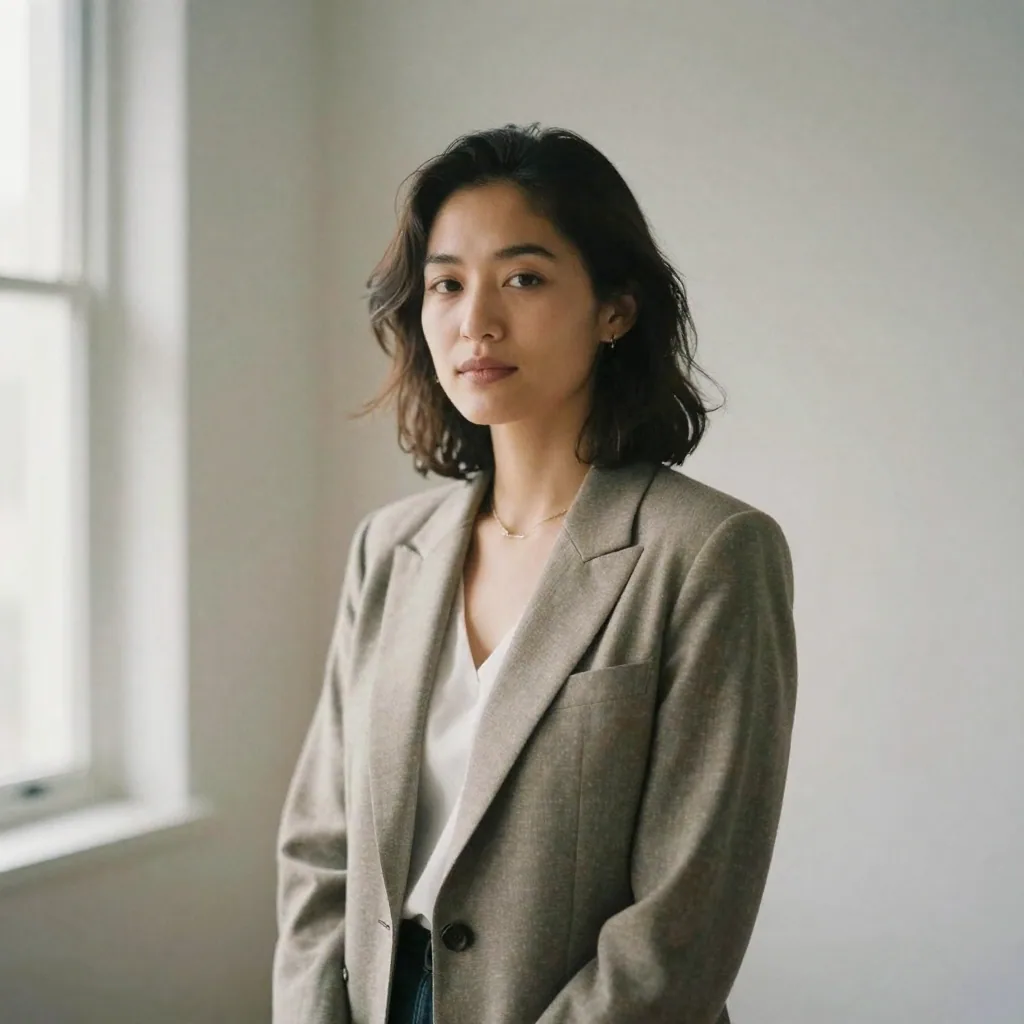
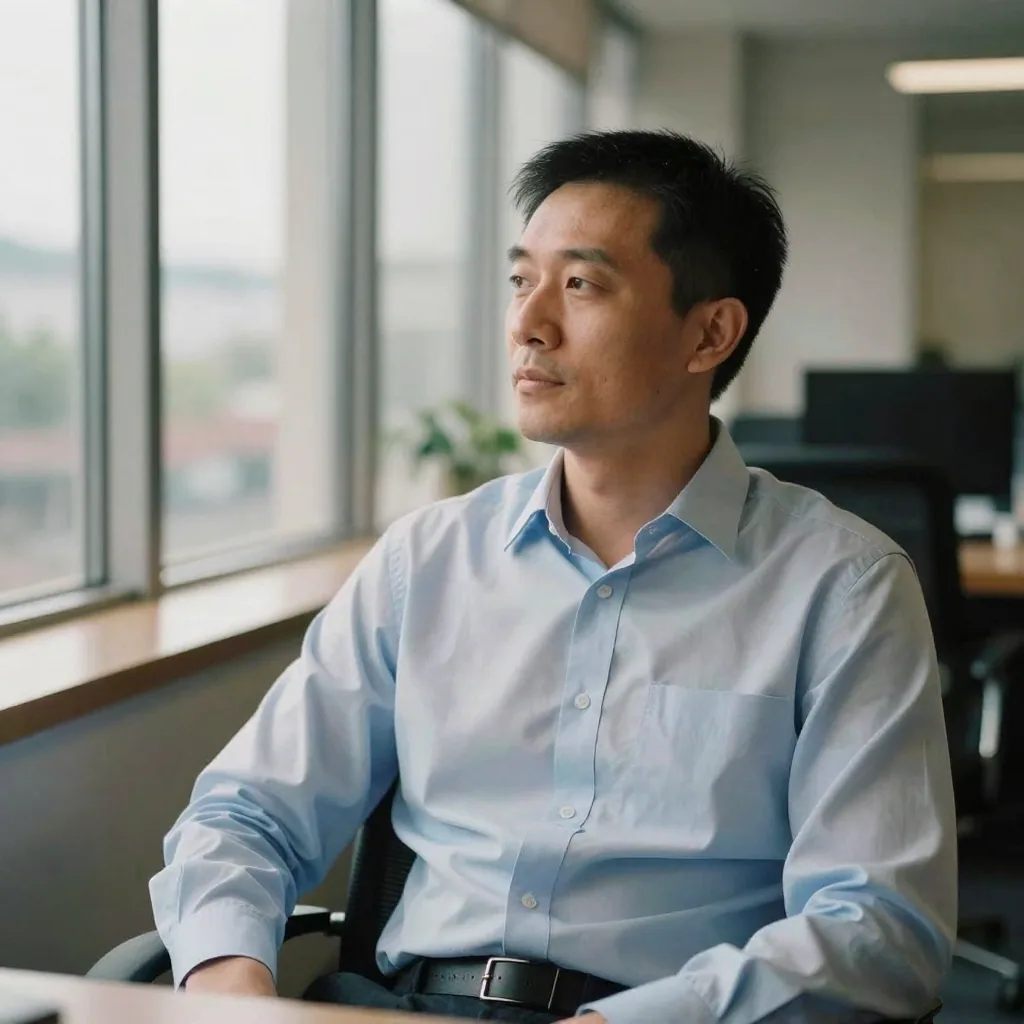
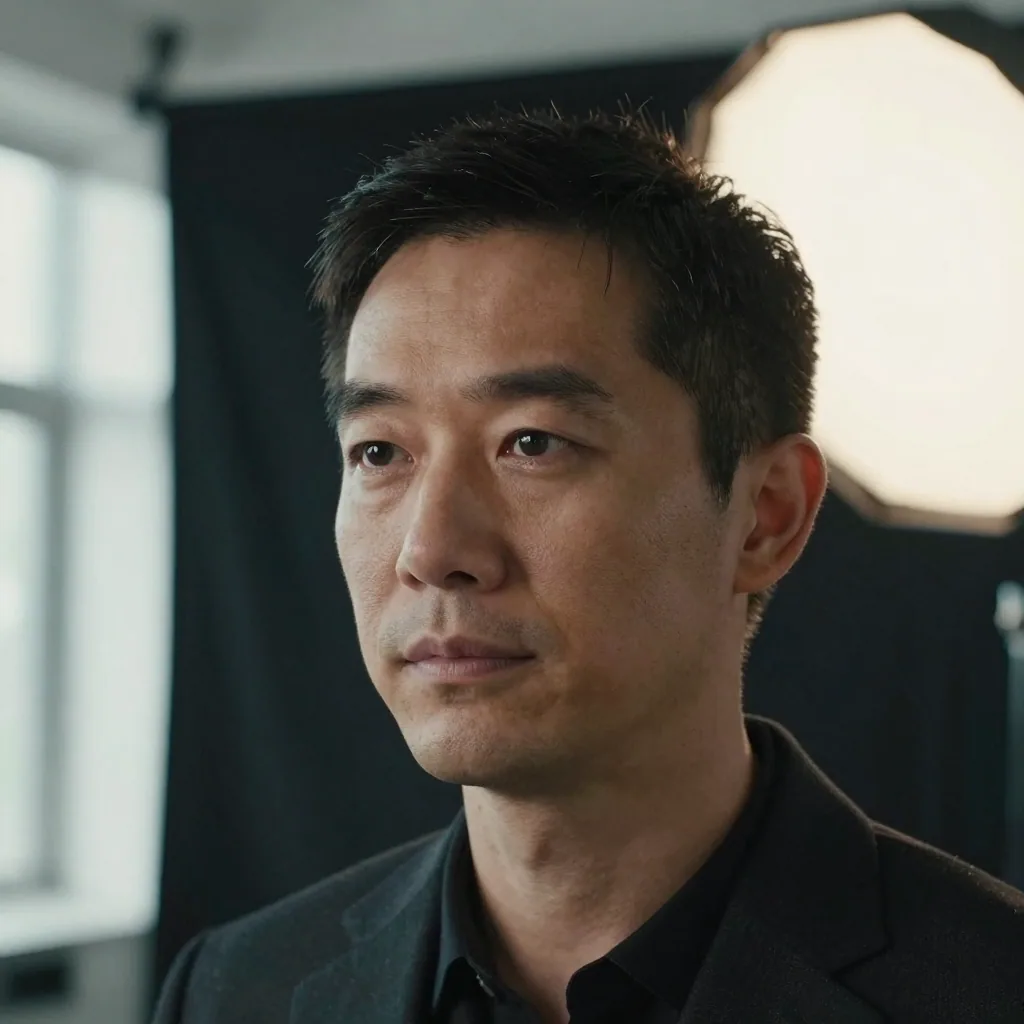
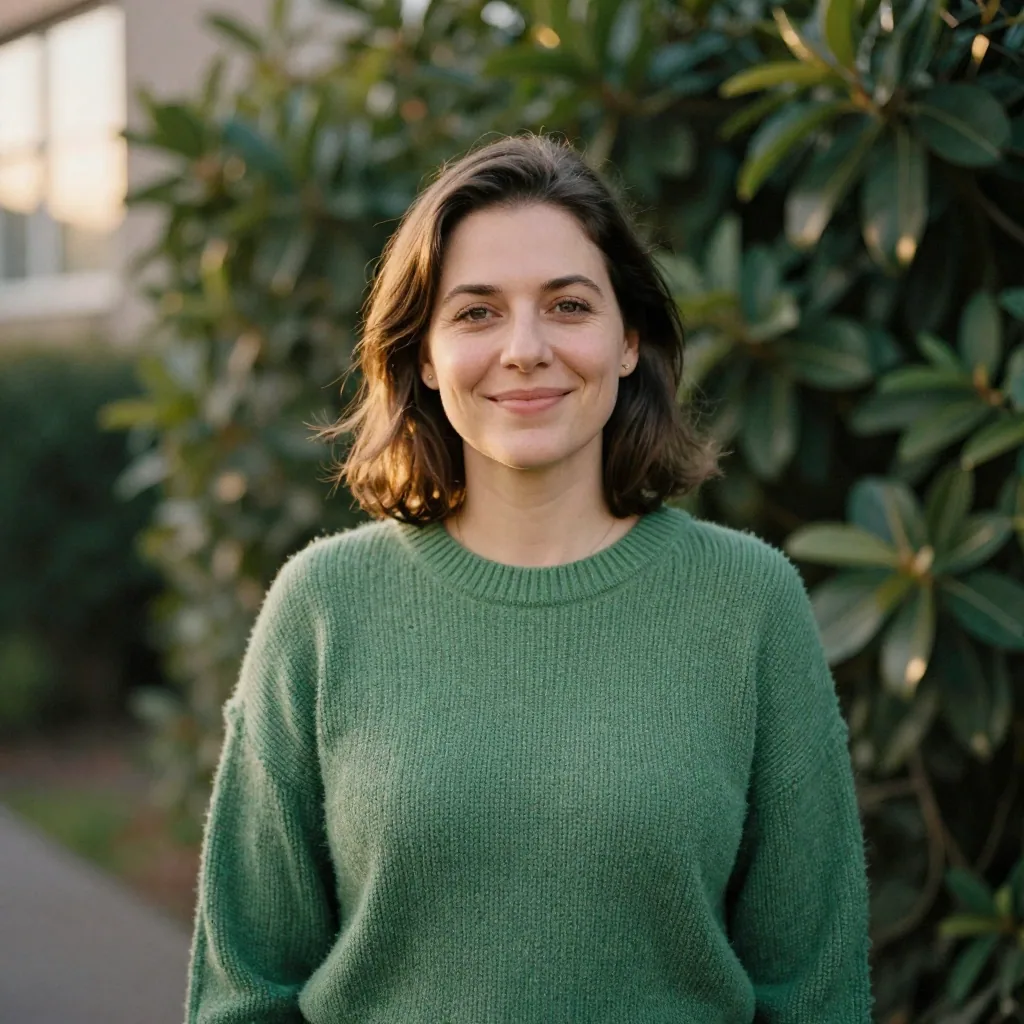
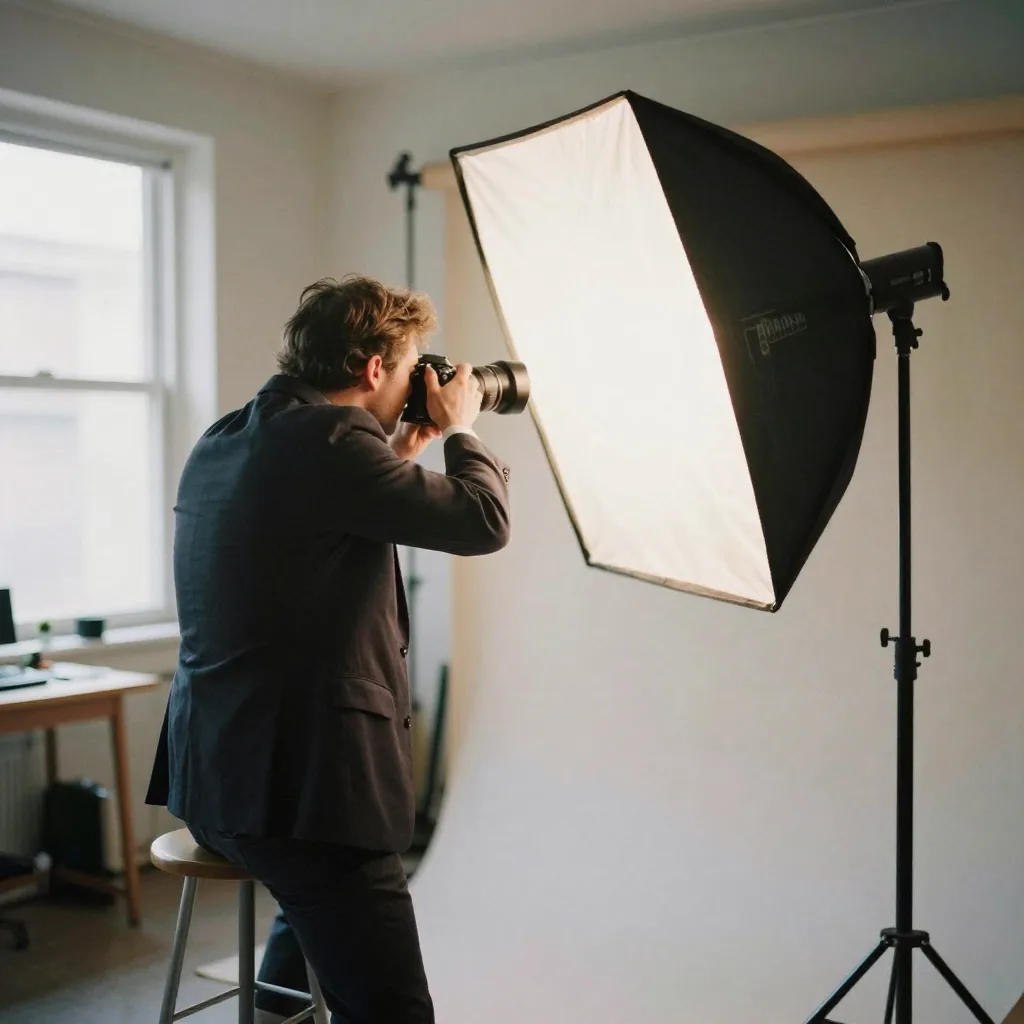
Five elements working together: soft, even lighting with no harsh shadows; a clean, uncluttered background; business attire in a solid colour; a relaxed, confident expression; and a head-and-shoulders crop from mid-chest up with your eyes about a third from the top. Technical perfection matters less than looking approachable and credible. Imagera applies all five from a few selfies.
A selfie is shot at arm's length with phone-lens distortion, uneven light and a random background. A professional headshot uses flattering distance and lighting, a deliberate neutral backdrop, intentional framing and business attire, so it reads as competent rather than casual. Imagera bridges the gap: it starts from your selfies but rebuilds the lighting, background, crop and wardrobe to studio standard.
Far more places than LinkedIn. The same portrait works on your company's About or team page, a resume, a conference or speaker bio, a podcast guest page, a press kit, your email signature, and Slack or Teams. Because people often see your face before they meet you, one consistent headshot across all of these builds recognition and trust.
A genuine, slight smile is the safe default. PhotoFeeler's analysis of 60,000+ ratings found a teeth-showing smile gave the single largest boost to likability and also lifted perceived competence. A forced grin or a flat, closed expression reads as guarded. More conservative fields — law, finance, senior executive roles — can lean to a calmer, composed look.
Crop from roughly mid-chest to just above the head, with your eyes about one-third down from the top and your face filling 60–70% of the frame. Leave a little breathing room — overly tight crops feel cramped. For LinkedIn's circular display, keep your face centered. Imagera frames to these proportions and lets you export square or vertical versions.
Solid mid-tone and jewel tones photograph best — navy, charcoal, burgundy, deep green or a muted neutral — because they flatter most skin tones and keep attention on your face. Avoid neon brights, pure white and pure black, and skip thin stripes or small checks, which can create a shimmering moiré at small sizes. Match formality to your industry.
A traditional US session typically runs $200–$500, and more in major cities — New York and California averages often exceed $800 — with extra fees for hair, makeup and additional outfit changes, paid again every reshoot. With Imagera, your headshots run on credits, a fraction of a sitting, and one upload yields several looks you can refresh any time your role or appearance changes.
Yes, and you should — a single, consistent face across LinkedIn, your resume, your company bio and conference programs makes you instantly recognizable and reinforces your personal brand. Imagera exports a high-resolution file you can crop to each platform's ratio — square for LinkedIn, vertical for a bio, a tight crop for an email signature — without losing sharpness or changing how you look.
Three to four clear, recent, front-facing photos give the truest, most consistent result. One photo can work, but a small set taken from slightly different angles and in different light gives the model more of your face to learn from, which produces a more faithful likeness than a single reference. Use recent shots where your whole face is visible, in soft even light, and skip sunglasses, hats, heavy filters and group photos. If the first result isn't quite right, add a couple more varied selfies and regenerate — it only takes minutes.
Yes, and you should, because your headshot needs to match how you actually look when you show up to a meeting or interview. Imagera preserves the real features in your selfies — glasses, facial hair, your natural hairstyle — rather than swapping them out. If you wear glasses every day, upload photos wearing them so the portrait matches your in-person look; anti-reflective lenses photograph best. The goal is an accurate, flattering version of you, not a different person, so start from selfies that show how you normally present.
A simple, evenly lit neutral wins for most professionals — light grey, off-white, charcoal or soft blue keeps attention on your face and works at every crop size. Subtle gradients now read as more current than a flat solid on many corporate profiles, and a gently blurred office can add context without clutter. Darker backgrounds feel more formal and executive; lighter ones feel more open and approachable. Avoid busy, high-contrast or novelty scenes that get distracting once shrunk to a thumbnail. Imagera generates clean studio and blurred-office backdrops tuned to hold up at any size.
A headshot is a tightly framed head-and-shoulders photo built for identification and professional profiles — LinkedIn, a company bio, a badge — where the job is to show your face clearly and credibly. A portrait is usually wider, more environmental or artistic, capturing more of the setting, body language or mood, and is used for editorial features, personal branding pages or press. For most business surfaces you want the headshot. Imagera focuses on the clean, professional head-and-shoulders framing that profiles and directories expect.
That's exactly what Imagera is for. You don't need a DSLR, a ring light or a backdrop — clear phone selfies taken in soft, even daylight (facing a window, not backlit by it) are enough, because the tool rebuilds the lighting, background, framing and attire itself. Avoid harsh overhead light, deep shadows and busy backgrounds in your source photos, since a clean starting image gives a truer result. From a few good home selfies, you get a studio-standard portrait in minutes without leaving your desk.
Refresh it every two to three years, or sooner if your appearance changes noticeably — new glasses, a different hairstyle, weight change, growing or shaving a beard — or when you move into a more senior role. A current photo that matches how you look in person keeps you credible; an outdated one quietly undermines trust before anyone reads your bio. Because regenerating with Imagera takes minutes rather than rebooking a studio, keeping your headshot current is far easier than it used to be.
Always keep the highest-resolution export and let each platform scale it down — upscaling a small image is what makes headshots look soft. LinkedIn recommends a square of at least 400×400 pixels (it accepts up to 7680×4320), a company About page may want a larger square or vertical crop, and an email signature needs only a small tight crop. Imagera exports high-resolution headshots so one source file crops cleanly to a square for LinkedIn, a vertical for a bio, or a small avatar without pixelation.
Yes — match the formality of your look to your field. Finance, law, consulting and executive roles call for a full suit or structured blazer on a plain neutral background and a composed expression; tech, sales, marketing and creative roles read well with a smart blazer over an open collar, a warmer smile and a softer background. The face and framing stay the same; the wardrobe and tone signal your context. Imagera lets you generate a more formal and a more approachable version from one upload, so you can pick the register that fits your industry.
The tool does most of the transformation, but a few habits in your source photos give a truer, more professional result. Shoot facing a soft light source like a window rather than being backlit by it, hold the phone at eye level to avoid up-nose or down-forehead angles, and keep the background as plain and clutter-free as you can. Use a neutral or lightly-smiling expression, keep your whole face visible, and skip filters, sunglasses and hats. From clean, well-lit selfies, Imagera rebuilds the studio lighting, neutral background, framing and business attire so the output reads as a deliberate professional portrait rather than a phone snap.
Yes — a professional headshot is exactly what event organisers, podcast hosts and journalists ask for, and there's no rule against an AI-assisted one on these marketing surfaces as long as it looks like you. A conference programme, a speaker or panelist bio, a podcast guest page, a press kit and a bylined author photo all want the same clean, recognizable head-and-shoulders portrait. Export the high-resolution file and crop it to whatever ratio each publication or event platform specifies, and you present one consistent, credible face wherever you're featured.
Last updated: June 2026 · Imagera formats real headshots from your own photos and preserves your likeness.
Use the primary CTA on this page to enter the tool.
Add your media or brief and set the options you need.
Create the result and export with commercial rights on paid plans.
Imagera AI Team
Unified AI creation platform
Complete your workflow
These pair with Studio Headshot Maker. Every tile says what the tool actually does — without leaving this page.
Create standards-ready passport and ID photos
Adjust pose and styling while keeping the same face
Prepare finished portraits for high-resolution delivery
AI upscaling to 1080p/2K/4K. Ultra-high resolution. Batch process up to 5 images.
Add freckles, pores, scars, tattoos. Remove blemishes. Fix plastic AI skin instantly.
Edit images with Imagera Edit. Inpaint, modify, and transform any part of your image.
Remove flyaway hair and fix fine imperfections with surgical AI precision.