A finance employee receives a video call from their CFO requesting an urgent wire transfer. The voice matches. The face matches. The mannerisms are convincing. They transfer $25 million — to criminals who used a deepfake.
This happened in Hong Kong in 2024. By 2026, deepfake fraud has cost businesses over $410 million in the first half of 2025 alone.
::key-takeaway TL;DR: Deepfakes have surged sharply — industry reports (e.g. Sumsub, DeepMedia) estimate roughly 8 million shared online in 2025, up from about 500,000 in 2023. Detection tools like Sensity AI, Reality Defender, and CloudSEK achieve 92-98% accuracy on standard deepfakes but struggle with real-time synthesis. Best approach: combine AI detection tools — Imagera AI detects across image, video, and audio — with visual inspection for temporal flickering, unnatural blinking, and audio-lip sync mismatches. ::
Quick answer: Deepfake detection in 2026 combines AI classifiers, metadata forensics, and physiological signal analysis to flag synthetic video, image, and audio, but no single tool is 100% accurate, so layering 2-3 methods gives the most reliable verdict rather than trusting one score.
How can you spot a deepfake video, image, or audio online in 2026?
Scan for 3 telltale flaws: unnatural blinking or lip-sync drift in video, warped edges and mismatched lighting in images, and flat or metallic tone in cloned audio. Upload any file to Imagera's detector for a synthetic-probability score in under 60 seconds, then cross-check a second frame or clip. Inspecting frames at 4K and running two or more independent checks catches most obvious fakes, while subtle 2026-era forgeries still demand a closer manual look.
Why do deepfake detectors sometimes miss AI-generated content?
Detectors train mostly on known generators, so newer models slip past by producing 4K or 8K frames with cleaner, fewer-artifact output. Compression, resizing, and screenshots also strip away many of the forensic clues detectors rely on, dragging confidence down. Accuracy can fall sharply on unseen generators, which is why combining 2+ signals and re-checking beats a single verdict.
The Deepfake Crisis: 2026 by the Numbers {#deepfake-crisis}
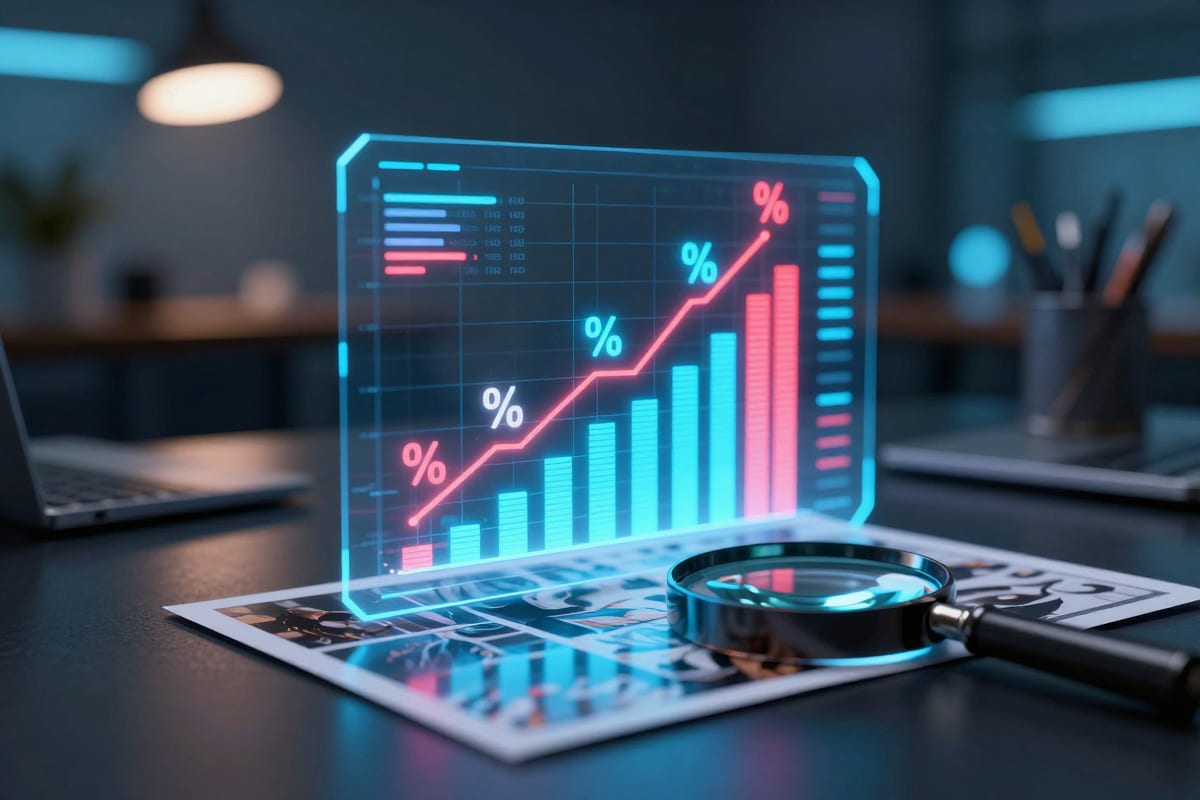
Deepfakes aren't a future problem. They're a current crisis:
- Deepfakes have surged sharply — industry reports (e.g. Sumsub, DeepMedia) have estimated on the order of 8 million shared online in 2025, up from roughly 500,000 in 2023 (a ~900% jump). Figures vary by source and methodology, so treat them as directional
- 68% of deepfakes are now "nearly indistinguishable from genuine media"
- 70% of people doubt their ability to distinguish real from fake voices
- 50% of companies experienced deepfake fraud in 2024, with an average cost of $450,000 per incident
- 66% of executives consider deepfakes a significant danger to their organization
- Voice clones can be created from just 3 seconds of audio with an 85% voice match
The European Parliamentary Research Service projected these numbers would continue accelerating through 2026, driven by the emergence of Deepfake-as-a-Service (DaaS) — turnkey platforms that let anyone create convincing deepfakes without technical skills.
::key-takeaway Key Insight: Deepfake detection is no longer optional for businesses. Gartner predicts that by 2026, 30% of enterprises will no longer trust standalone identity verification solutions in isolation. ::
Types of Deepfakes You Need to Know {#deepfake-types}
Not all deepfakes are created equal. Understanding the different types helps you know what detection methods to apply:
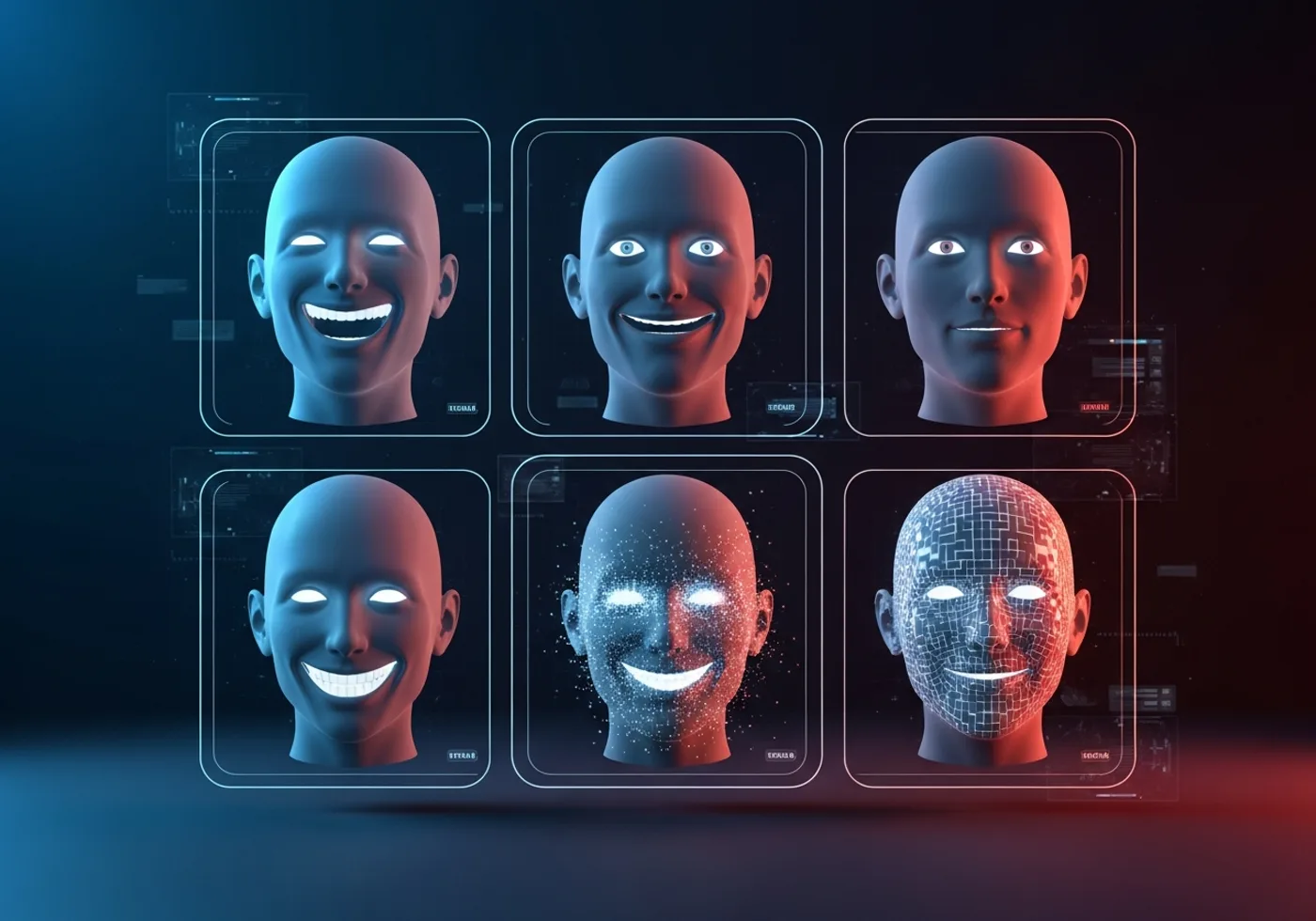
Face Swap Deepfakes
The most common type. A person's face is replaced with another person's face while preserving the original head movements and expressions. Tools like FaceSwap, DeepFaceLab, and SimSwap make this accessible. Detection focuses on boundary artifacts where the swapped face meets original skin.
Lip-Sync Deepfakes
The original face is kept but mouth movements are manipulated to match different audio. Tools like Wav2Lip and SadTalker create these. The person appears to say something they never said. Detection focuses on phoneme-to-viseme consistency and jaw movement naturalness.
Full Puppet Deepfakes
An entirely generated person, including face, body, and movements, created from scratch. Sora 2 and similar video generation tools can produce realistic full-body puppet videos. Detection relies on temporal consistency, physics violations, and generation artifacts.
Voice Clone Deepfakes
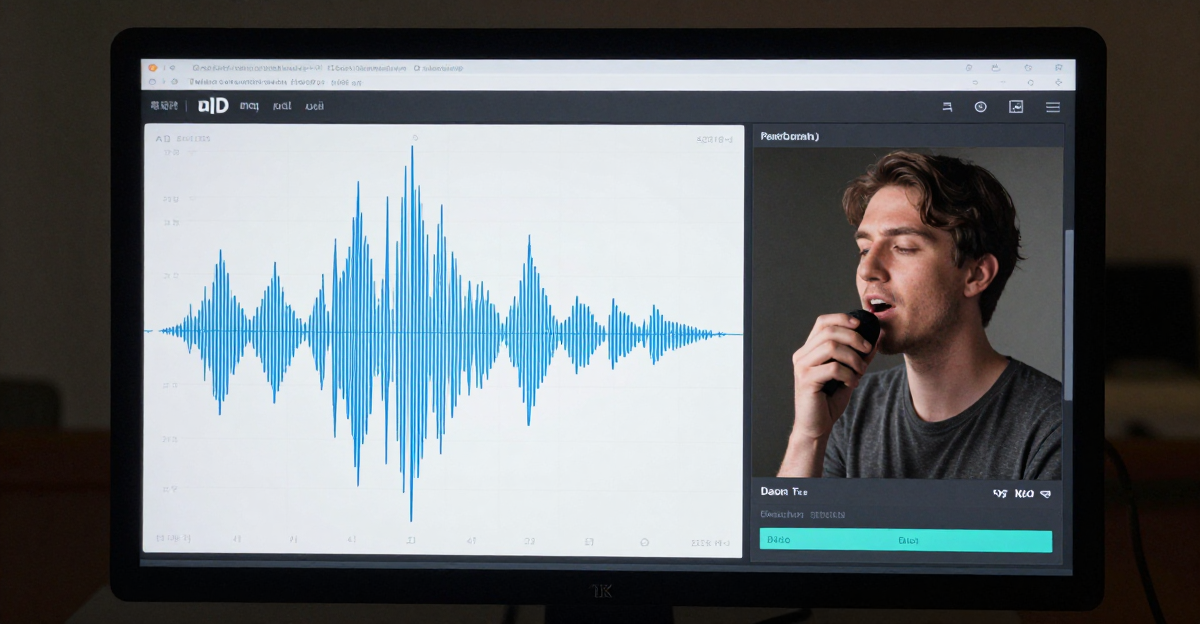
Audio-only deepfakes using cloned voices from ElevenLabs, Bark, or similar tools. Often combined with face swaps for complete impersonation. Detection uses spectral analysis, micro-tremor detection, and breathing pattern analysis.
Real-Time Deepfakes
The newest and most dangerous type — live face swapping during video calls using tools like LivePortrait and FaceFusion. These are hardest to detect because they operate at reduced resolution and the "imperfect" quality is attributed to video call compression.
Document and Identity Deepfakes
AI-generated fake identity documents with synthetic faces that pass KYC (Know Your Customer) checks. Growing threat to financial services and identity verification processes.
| Deepfake Type | Difficulty to Create | Detection Difficulty | Primary Threat |
|---|---|---|---|
| Face Swap | Low | Medium | Impersonation, fraud |
| Lip-Sync | Medium | Medium-High | Disinformation, defamation |
| Full Puppet | High | Medium | Fabricated evidence |
| Voice Clone | Low | High | Phone scams, authorization fraud |
| Real-Time | Medium | Very High | Live call fraud |
| Document/ID | Medium | High | Identity theft, KYC bypass |
How Deepfake Detection Works {#how-detection-works}
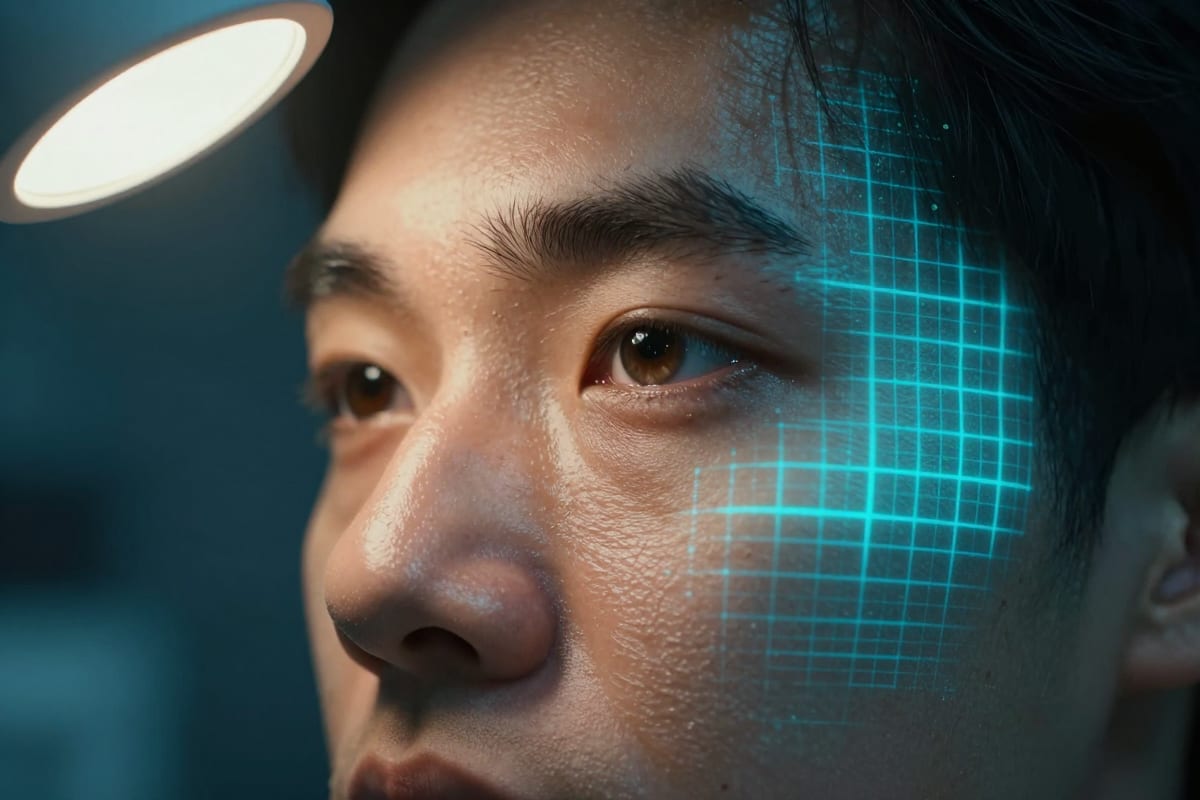
Deepfake detectors use multiple analysis techniques to identify synthetic media:
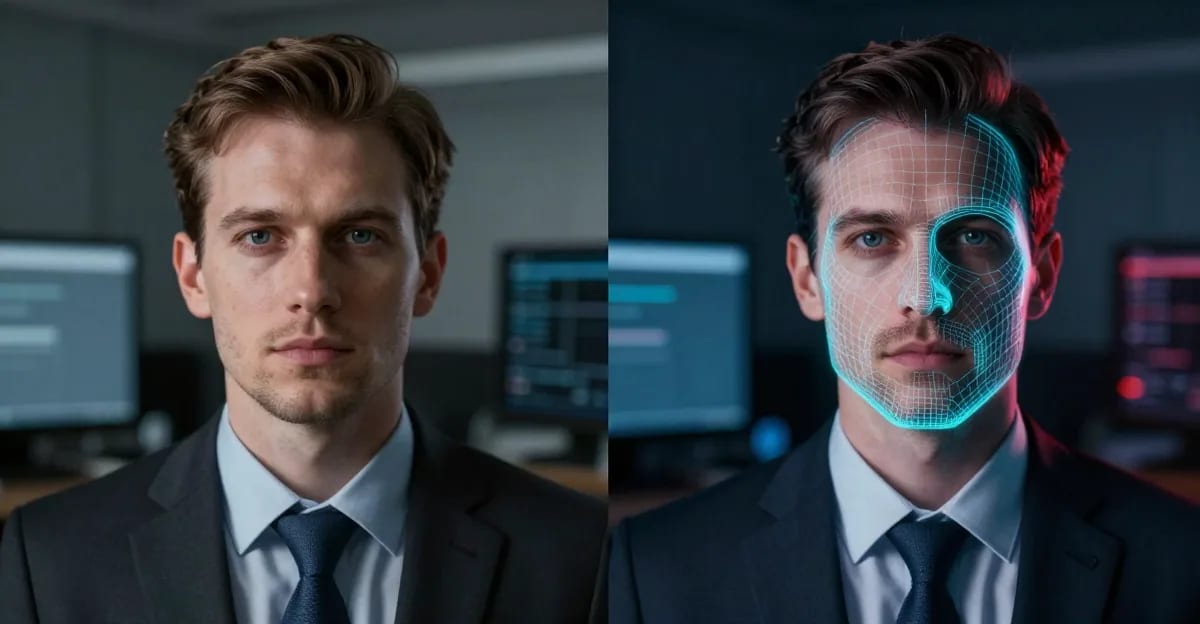
1. Facial Artifact Analysis
Detection algorithms look for micro-level inconsistencies in facial features:
- Boundary artifacts — where the swapped face meets the original skin
- Color inconsistencies — subtle differences in skin tone between face and neck
- Texture anomalies — overly smooth skin or missing pore detail
- Geometric impossibilities — facial proportions that violate human anatomy
2. Temporal Analysis (Video-Specific)
Video deepfakes introduce frame-to-frame inconsistencies:
- Flickering at face boundaries between consecutive frames
- Blinking anomalies — unnatural blinking frequency or duration
- Motion artifacts — head movements that don't match body physics
- Frame-rate mismatches — the generated face may operate at a different framerate than the background
3. Audio-Visual Correlation
For videos with speech, detectors analyze synchronization:
- Lip-sync accuracy — measuring alignment between mouth movements and audio waveforms
- Phoneme consistency — whether visible mouth shapes match spoken sounds
- Prosody analysis — natural speech patterns in pitch, rhythm, and emphasis
4. Spectral Analysis
Every generation method leaves a frequency-domain fingerprint:
- GAN fingerprints — specific spectral patterns unique to each generator
- Compression artifacts — double-compression signatures from face insertion
- Noise patterns — synthetic noise differs from camera sensor noise
5. Provenance Verification
Infrastructure-level approaches that don't rely on detection algorithms:
- C2PA standards — cryptographic signing of media at creation time
- Metadata analysis — checking EXIF data integrity and camera signatures
- Blockchain timestamps — immutable records of when media was created
10 Best Deepfake Detection Tools in 2026 {#best-tools}
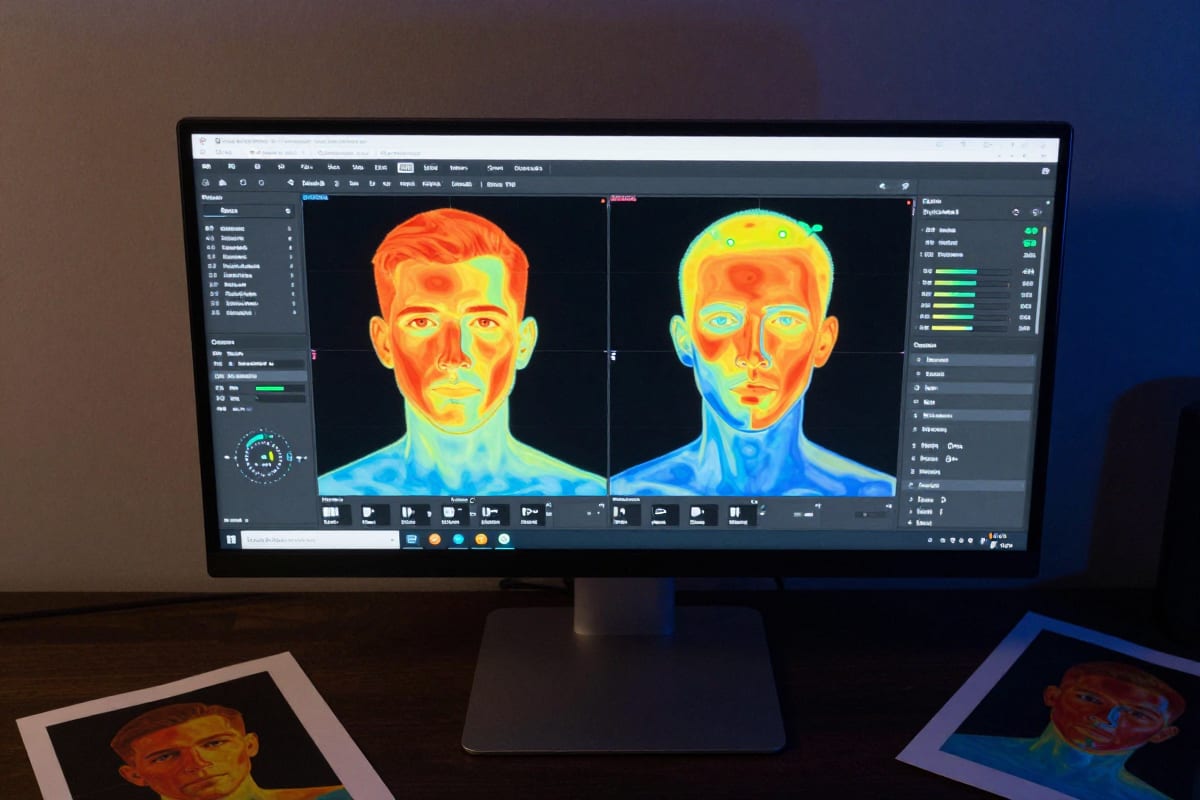
1. Imagera AI — Multi-Modal Detection
Best for: All-in-one detection across image, video, audio, and text
Imagera AI's detection suite covers all five deepfake modalities in a single platform:
- Image detection: AI-generated and edited images
- Deepfake detection: face swaps and manipulated media
- Audio detection: synthetic voice identification
- Text detection: AI-generated text
- Video detection: Frame-by-frame analysis with temporal artifact identification
Accuracy: Imagera does not publish an accuracy percentage for its detectors, because it has not run a benchmark that could support one. Each scan reports an AI probability from 0 to 100%, a confidence figure and a label, with the signals behind them.
Pricing: Check the current quote for the selected scan type and input.
2. Sensity AI
Best for: Enterprise-grade detection with comprehensive threat intelligence
Sensity AI offers a deepfake detection platform specifically designed for enterprise clients. Their multi-model ensemble approach analyzes media through multiple independent classifiers and produces a unified confidence score. Supports image, video, and document verification.
Accuracy: Up to 95% on standard deepfakes.
3. Reality Defender
Best for: Real-time detection and developer APIs
Reality Defender provides both a web interface and a developer API for integrating deepfake detection into existing workflows. Their free developer tier makes it accessible for small teams. Uses an ensemble of independently trained models for robustness.
Accuracy: 93% on pre-recorded content, 78% on real-time feeds.
4. CloudSEK
Best for: Threat intelligence and brand protection
CloudSEK combines deepfake detection with broader threat monitoring. Particularly strong at identifying impersonation attacks targeting executives and public figures. Integrates with existing security operation centers (SOCs).
Accuracy: 91% on targeted impersonation deepfakes.
5. Microsoft Video Authenticator
Best for: Free, accessible basic detection
Microsoft's tool provides a percentage score indicating the likelihood that a video has been artificially manipulated. While not as accurate as commercial options, it's freely available and works well for obvious deepfakes.
Accuracy: ~85% on standard deepfakes, lower on sophisticated examples.
6. Intel FakeCatcher
Best for: Real-time video detection
Intel's FakeCatcher analyzes blood flow patterns in facial pixels to determine if a video is real or fake. Real human faces show subtle color changes as blood flows — deepfakes lack these biological signals. Claims 96% accuracy in controlled tests.
7. Pindrop
Best for: Voice deepfake detection in call centers
Specialized in audio deepfake detection, Pindrop protects call centers from voice-based fraud. Analyzes over 1,300 audio features per second to distinguish real voices from synthetic ones.
Accuracy: 99% on known voice cloning tools, 88% on novel generators.
8. Deepware Scanner
Best for: Mobile-friendly deepfake detection
A consumer-focused app that lets anyone scan videos for deepfake manipulation directly from their phone. Designed for journalists, educators, and concerned citizens.
9. Hive AI
Best for: Content moderation at scale
Hive's moderation API includes deepfake detection alongside their image and text classification tools. Optimized for high-throughput content moderation workflows.
Accuracy: 89% overall, with generator identification capabilities.
10. AI or Not
Best for: Quick image verification
Drag-and-drop interface for checking individual images. Simple, fast, and provides clear real/AI confidence scores. Best for spot-checking rather than bulk analysis.
Accuracy: 82% overall accuracy.
::key-takeaway Recommendation: No single tool catches everything. For reliable detection, combine at least two tools — Imagera AI for multi-modal coverage plus a specialized tool for your primary threat vector (Pindrop for voice, Intel FakeCatcher for live video). ::
How to Detect Deepfakes Manually {#manual-detection}
When detection tools aren't available, these visual and audio tells can help identify deepfakes:
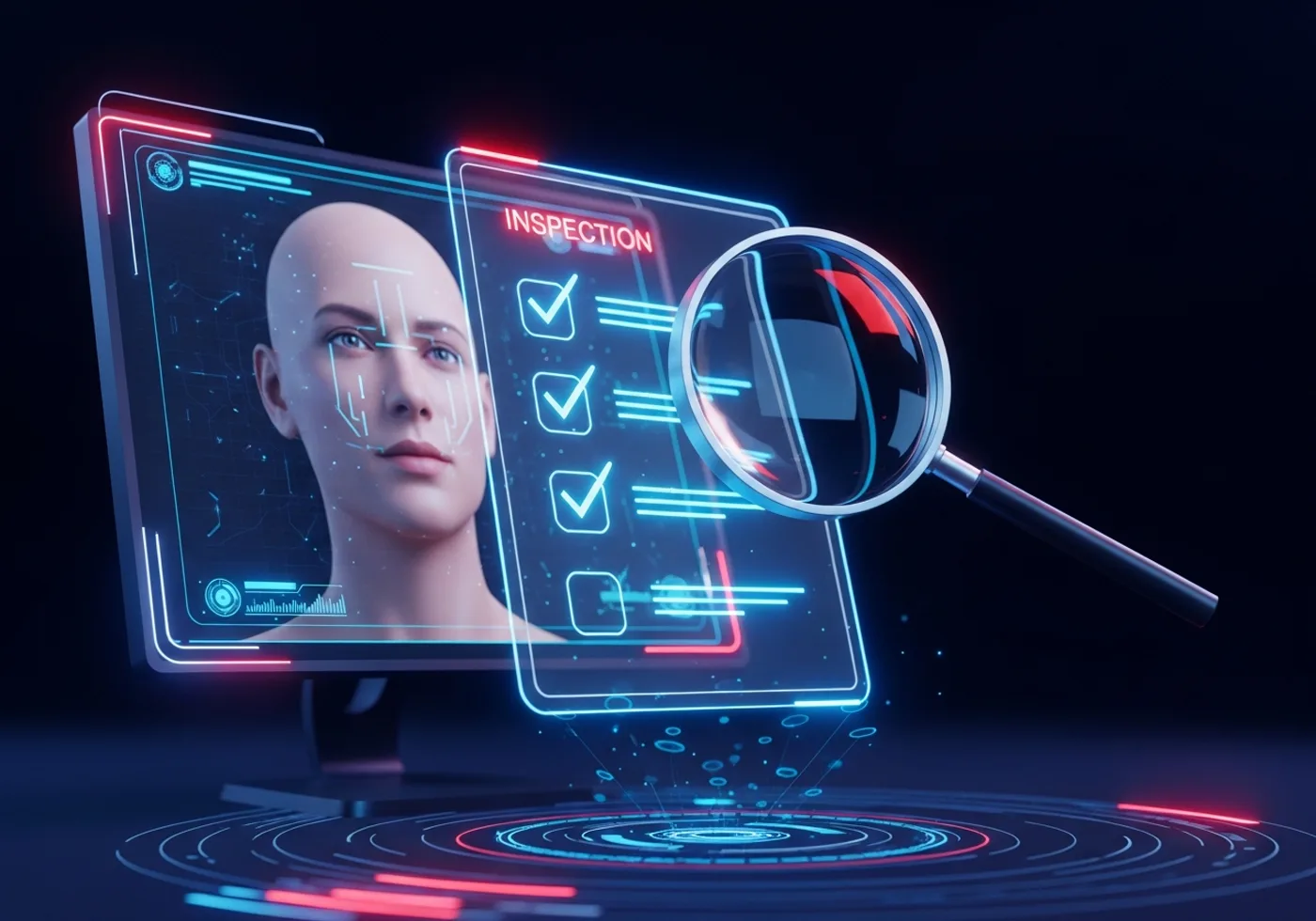
Video Tells
- Watch at 0.25x speed — Slow playback reveals flickering at face boundaries that normal speed hides
- Check the ears — Deepfakes often neglect ear detail; look for blurry, asymmetric, or morphing ears
- Track jewelry and accessories — Earrings, necklaces, and glasses may warp, disappear, or change between frames
- Observe hair movement — AI hair often moves as a solid mass rather than individual strands
- Look at teeth — They may appear as a single white block rather than individual teeth
- Watch the skin — Overly smooth, waxy skin without pores is a classic deepfake artifact
- Check head-to-body continuity — The neck area where face meets body often shows inconsistencies
Audio Tells
- Listen for "flatness" — Synthetic voices lack micro-variations in tone that real speech has
- Check breathing patterns — Real speakers breathe; deepfake audio often lacks natural breathing sounds
- Detect audio-visual sync — Slight delays between lip movement and audio indicate manipulation
- Notice emotional flatness — Cloned voices struggle with genuine emotional inflection
- Test with unusual words — Ask the speaker to say uncommon words or numbers; clones perform worse on out-of-distribution content
Image Tells
- Zoom to 200-400% — Boundary artifacts become visible at higher magnification
- Check reflections — Eyes should show consistent reflections; deepfakes often have mismatched or missing reflections
- Examine backgrounds — Warped lines, duplicated patterns, or impossible geometry near the face
- Verify with multiple tools — Upload to Imagera AI and at least one other detector
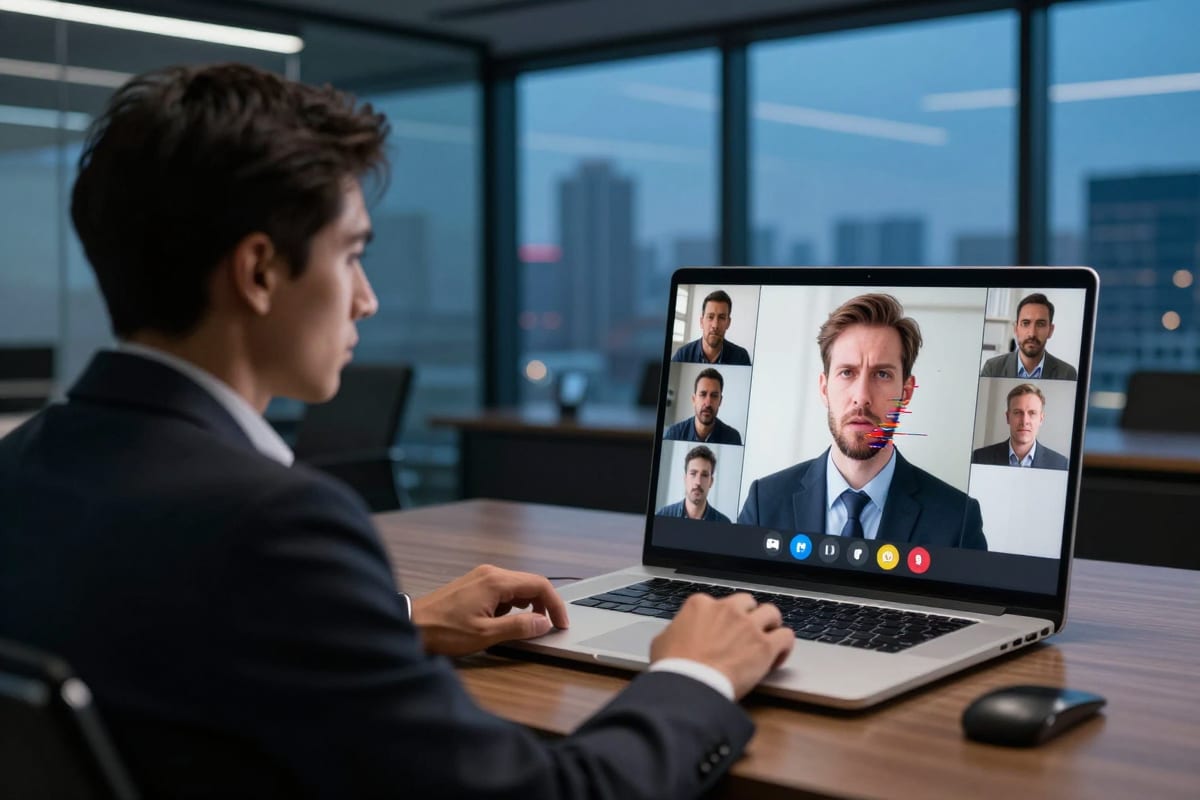
Deepfake Detection for Businesses {#enterprise-detection}
Enterprise deepfake defense requires a multi-layered approach:
Layer 1: Prevention
- C2PA content provenance — Cryptographically sign all official media at creation
- Watermarking — Embed invisible watermarks in corporate videos and images
- Voice biometric enrollment — Register authorized voices with liveness detection
- Employee training — Teach staff to recognize deepfake social engineering
Layer 2: Detection
- Media verification APIs — Integrate Imagera AI's detection API into content review workflows
- Call center protection — Deploy Pindrop or similar for voice verification
- Email/message scanning — Auto-scan attachments for synthetic media
Layer 3: Response
- Incident response playbook — Pre-defined steps when a deepfake is detected
- Multi-factor verification — Require secondary confirmation for high-value actions
- Forensic preservation — Preserve detected deepfakes for legal and investigative purposes
::key-takeaway Enterprise Stat: 50% of companies experienced deepfake fraud in 2024 with an average cost of $450,000. Multi-layered defense is no longer optional — it's a business requirement. ::
The Arms Race: Why Detection Gets Harder {#arms-race}
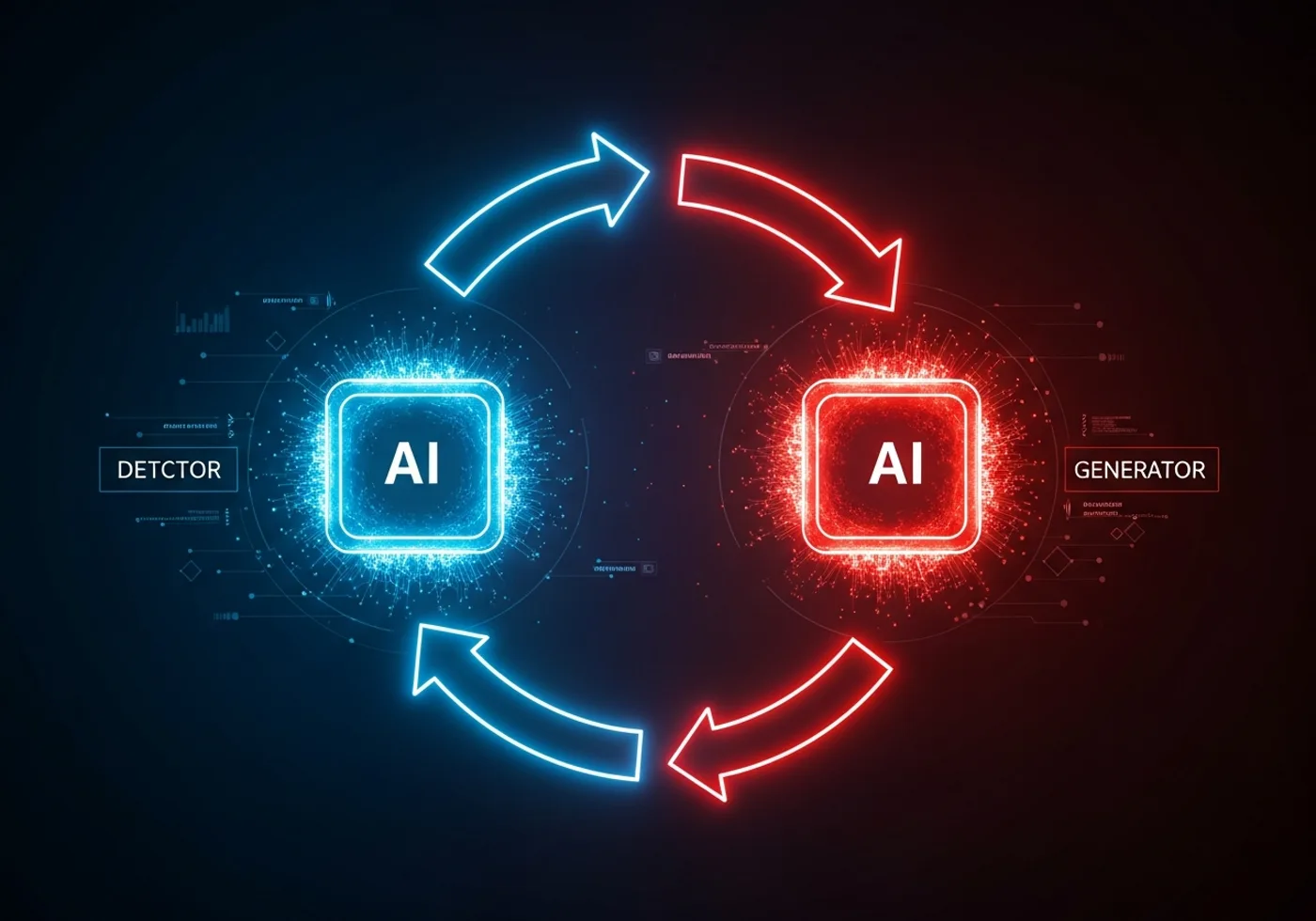
Deepfake detection is locked in an adversarial cycle:
- Generators improve — New models specifically train to defeat known detectors
- Detectors adapt — New detection methods emerge to catch updated generators
- Real-time deepfakes — Live synthesis reduces the artifacts detection relies on
- Post-processing — Noise injection, compression, and filters remove detection signatures
This is why no single detection method achieves 100% accuracy — and why the most reliable approach combines multiple tools, visual inspection, and provenance verification.
The most promising long-term solutions are infrastructure-level:
- C2PA (Coalition for Content Provenance and Authenticity) — Adobe, Microsoft, and Intel-backed standard for cryptographic media signing
- Content Credentials — Embedded metadata proving when, where, and how content was created
- Synthetic media disclosure laws — The EU AI Act requires labeling AI-generated content
Deepfake Detection by Industry {#industry-detection}
Different industries face different deepfake threats and require tailored detection strategies:
Financial Services
Primary threat: Voice clone authorization fraud, fake executive video calls, synthetic identity documents
Detection strategy:
- Voice biometric authentication with liveness detection on all call center channels
- Real-time deepfake screening for high-value transaction video calls
- KYC enhancement with document authenticity verification using Imagera AI
- Multi-factor verification for any wire transfer or account change request
Industry stat: Financial institutions lost $450,000 per deepfake incident on average in 2024.
Media and Journalism
Primary threat: Fabricated news footage, manipulated interview clips, synthetic quotes
Detection strategy:
- Mandatory authenticity verification before publishing any user-submitted media
- Cross-reference tools: run footage through Imagera AI deepfake detection plus reverse image/video search
- C2PA content credential verification for all source material
- Editorial training on visual and audio deepfake tells
Government and Defense
Primary threat: Election disinformation, diplomatic impersonation, intelligence manipulation
Detection strategy:
- Classified-grade detection systems with air-gapped analysis capabilities
- Real-time monitoring of social media for synthetic media targeting officials
- Content provenance infrastructure for all official communications
- International cooperation frameworks for cross-border deepfake threats
Education
Primary threat: Academic integrity violations, synthetic student submissions, fake credentials
Detection strategy:
- AI text detection integrated into learning management systems
- Video proctoring with deepfake detection for remote examinations
- Digital credential verification systems
- Student and faculty awareness training
Healthcare
Primary threat: Fabricated medical records, telehealth impersonation, insurance fraud with synthetic documentation
Detection strategy:
- Patient identity verification with liveness detection for telehealth visits
- Medical record authenticity verification
- Insurance claim media verification using multi-modal detection
- HIPAA-compliant detection workflows
How to Use Imagera AI for Deepfake Detection {#imagera-detection}
Imagera AI's detection suite provides comprehensive deepfake analysis:
- Navigate to Detection — Go to Deepfake Detection
- Upload your media — Drag and drop an image, video, or audio file
- Select modality — Choose the appropriate detection type (image, video, audio, or auto-detect)
- Review results — Get a confidence score with detailed analysis of detected artifacts
- Cross-reference — Use the AI image detector or AI audio detector for additional verification
Pricing:
- Image detection: Current scan quote
- Deepfake detection: Current scan quote
- Video/audio detection: Current scan quote
Key Takeaways {#key-takeaways}
- Deepfakes have surged sharply from 2023 to 2025 (industry reports estimate roughly a 900% jump), with Deepfake-as-a-Service making creation accessible to anyone
- No single tool is 100% accurate — combine at least two detection tools with manual inspection
- Multi-modal detection covers all threat vectors — Imagera AI scans images, video, audio, text, and deepfakes in one platform
- Enterprise defense requires layers — prevention (C2PA, watermarking), detection (AI tools), and response (incident playbooks)
- Manual tells still work — temporal flickering, audio sync, and skin texture remain reliable indicators at 0.25x playback
- Infrastructure solutions (C2PA, Content Credentials) are the long-term answer to the detection arms race
See it in action — real Imagera output
These are real, unedited results from the Imagera face swap — the exact tool this guide covers.

Conclusion {#conclusion}
Deepfake detection in 2026 is a necessity, not a luxury. With hundreds of millions in reported fraud losses, an estimated 8 million deepfakes circulating (per industry reports), and voice clones achievable from a few seconds of audio, every organization and individual needs detection capabilities.
The good news: detection tools have kept pace. By combining automated tools like Imagera AI's multi-modal detection with manual inspection techniques, you can identify most deepfakes before they cause harm.
::cta Ready to detect deepfakes? Try Imagera AI's detection suite — scan images, video, audio, and text for AI-generated content. Review the quote before scanning. ::
Related Articles:
- AI Image Detector Accuracy: 5 Tools Compared
- 10 Visual Signs an Image Was Made by AI
- Photo Authenticity Verification Tools
- How to Spot AI-Generated Art