Imagera AI - AI content creation platform for generating images, cloning voices, creating avatars, and enhancing videos. Privacy Policy | Terms

Blog Post
AI Face Swap

Best AI Face Swap Apps for Video Compared (2026)

We compare the best AI face swap video apps — Imagera, Reface, DeepFaceLab, and more. See pricing, quality, ease-of-use, and which tool works best for…

By Imagera AI Team10 min readFebruary 14, 2026Updated: July 19, 2026
Share:
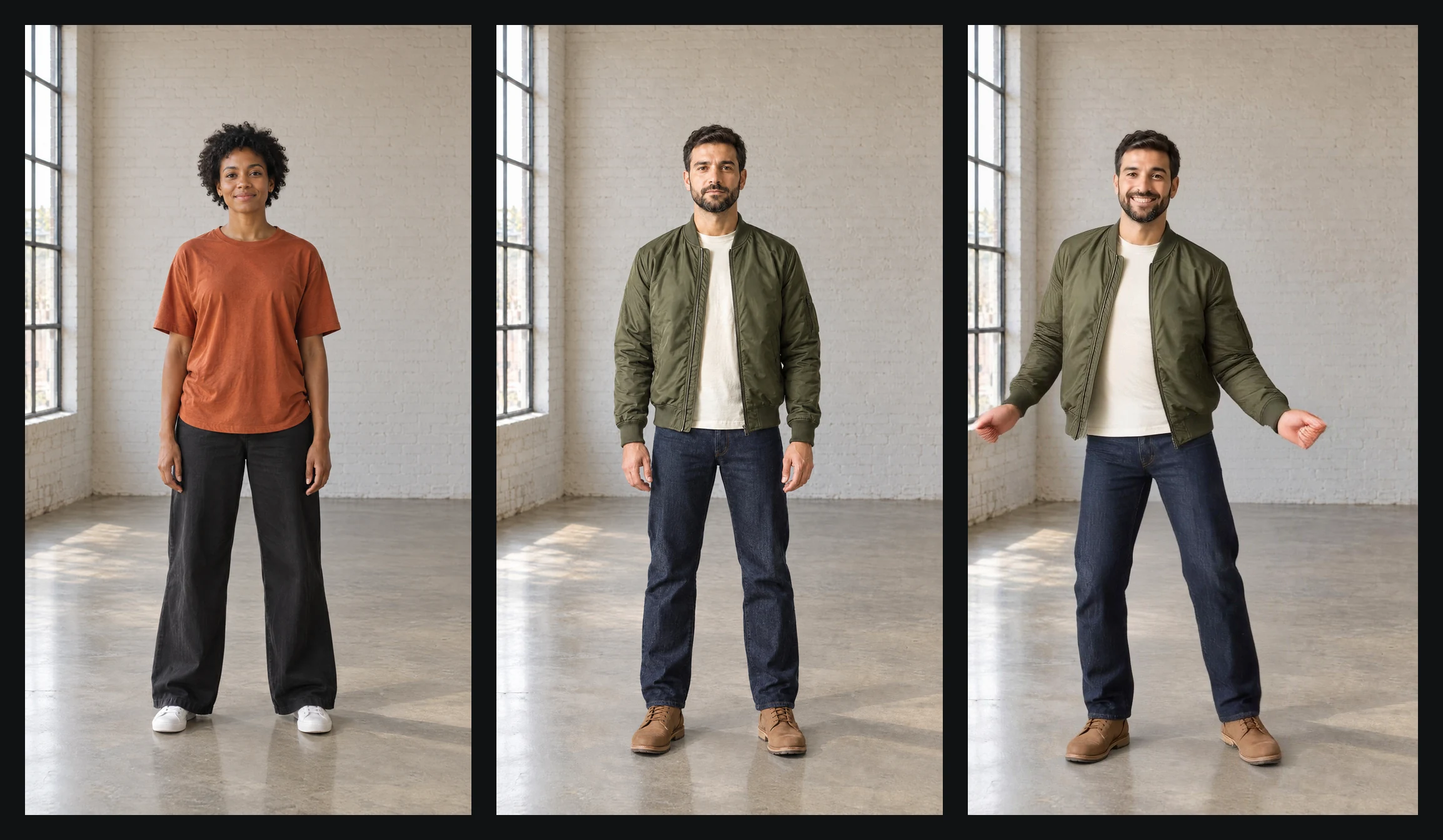
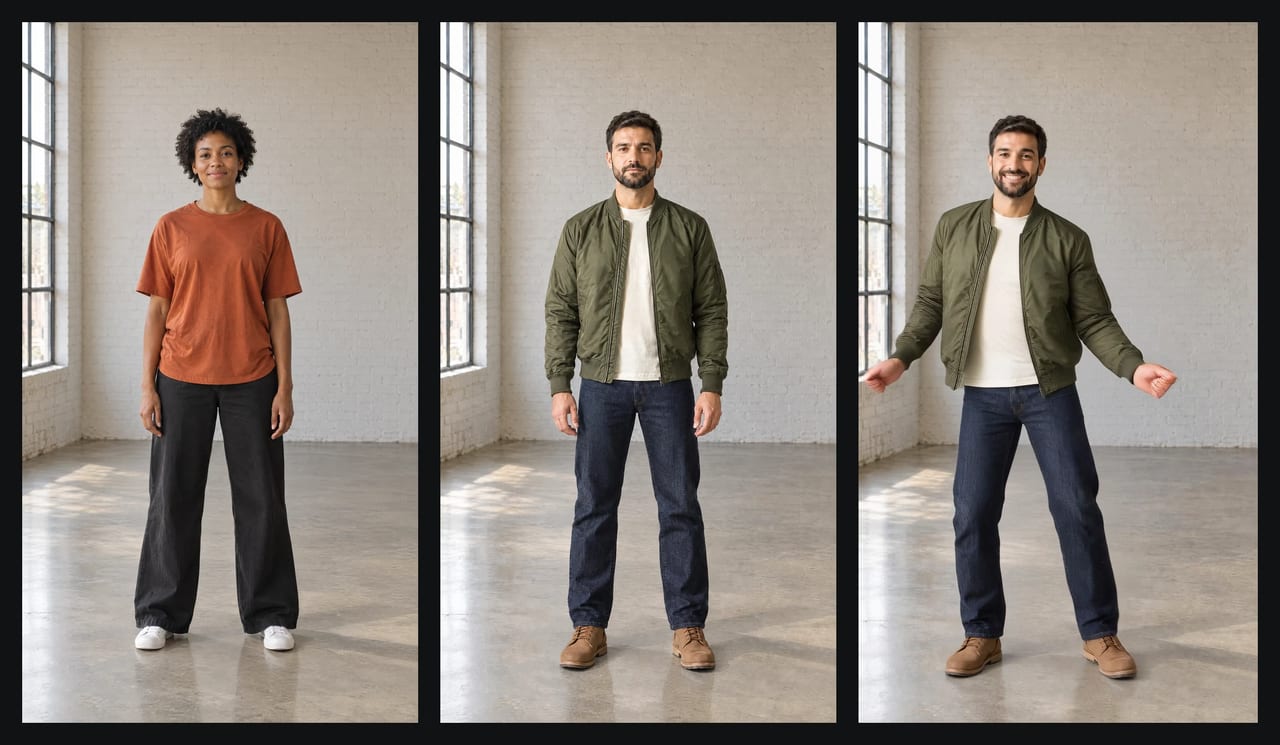
Before and after comparison showing AI face swap in a video — original person replaced with a new character using browser-based AI

TL;DR

AI face swap video works online in your browser — no download or desktop software needed. Imagera uses PoseNet skeleton tracking + WAN 2.2 Animate for two modes: Animate Photo (make your photo dance) or Character Replacement (swap the person in a video). SD quality at $1/5s, HD at $2/5s, up to 30 seconds per video. Alternatives like Viggle, Kling ($5.99-89.99/mo), and Runway ($12-95/mo) require subscriptions or have shorter limits.

Try it yourself — no setup

Swap the entire head — hair, angle and identity intact — not just the face.

A content creator dancing energetically in a bright home studio, arms extended mid-motion, a ring light glowing off-fram

Face swap in video used to require After Effects, hours of rotoscoping, and serious VFX skills. In 2026, AI does it in under a minute — and you don't need to install anything.

This guide covers how AI face swap video works, what the online options are, and how to get the best results from browser-based tools without downloading desktop software.

Face source image for AI video face swap processing

Best AI Face Swap Apps for Video: Features, Pricing & Tools Compared is a practical Imagera workflow: start from a real source file, describe what should change, generate with credits shown up front, and review before you publish. This guide covers the steps, quality checks, and when to use related tools.

Quick answer: The best AI face swap for video in 2026 runs fully in your browser with no download — Imagera swaps the person in a clip or animates a still photo in under 60 seconds.

1.How does online AI face swap video work without any download?

Imagera runs 100% in the browser, so there is no software to install on your phone, tablet, or computer. It tracks the motion and pose in your source clip, then rebuilds every frame in one of two modes — Animate Photo or Character Replacement — for clips up to 30 seconds, typically finishing in under 60 seconds. Because everything happens online, you can start a swap on one device and pick it up on another.

2.Which quality and length should I pick for a face swap video?

Imagera offers two render tiers: SD from 5 credits per 5 seconds and HD from 10 credits per 5 seconds, with a 30-second ceiling per video across both. Short social clips for Reels and Shorts are usually just a few seconds long, so the SD tier is a low-cost way to preview a swap before you commit credits to a polished HD export. If the final clip is destined for a bigger screen or a client hand-off, HD is worth the extra credits.

3.What AI Face Swap Video Actually Does

There are two distinct operations that people call "face swap video," and they work differently:

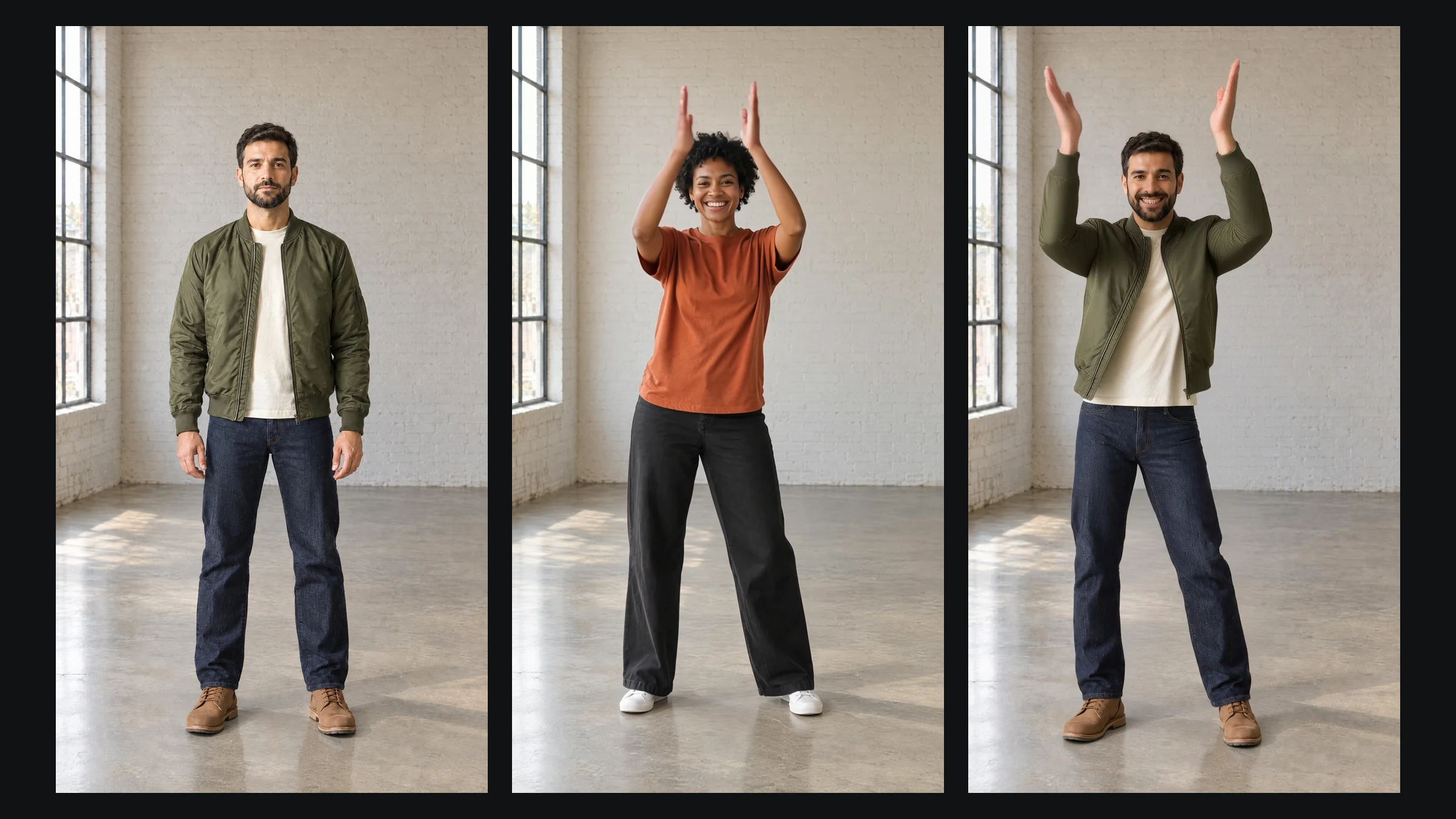
A real clip produced with Imagera — no filming required.

3.11. Character Replacement (Full Body Swap)

The more advanced version. You provide a character image and a source video. The AI replaces the person in the video with your character while keeping the original scene — background, lighting, camera angles — intact.

This is what professionals use for updating training videos, replacing actors in post-production, or creating marketing content with new presenters.

3.22. Photo Animation (Motion Transfer)

You provide a still photo and a driving video. The AI transfers the motion from the video onto your photo. Your photo "comes alive" — dancing, gesturing, walking — while keeping the original photo's background.

This is the "dancing photo" trend that's driven 704% growth in face swap content since 2024. It's what most people want when they search for face swap video.

Both operations rely on skeleton tracking — the AI detects body joints and limbs in the reference video and maps them onto the target character. The quality of this tracking determines the quality of the output.

4.Why Online Beats Desktop for Face Swap

Desktop face swap tools (DeepFaceLab, FaceFusion, ComfyUI with face swap nodes) require:

Close-up of a person's expressive face lit by soft key light against a plain seamless backdrop, head turned three-quarte

  • GPU hardware: A dedicated NVIDIA GPU with 6GB+ VRAM. Consumer GPUs start at $300+.
  • Software setup: Python environments, model downloads (2-10GB each), CUDA drivers.
  • Technical knowledge: Command-line tools, configuration files, troubleshooting driver conflicts.
  • Processing time: Minutes to hours per video depending on your hardware.

Online tools eliminate all of this. Upload your files in a browser, click process, get results. The processing runs on cloud GPUs that are faster than most consumer hardware.

The trade-off is cost. Desktop tools have no per-use fee after setup. Online tools charge per video. For occasional use (1-20 videos per month), online is cheaper when you factor in hardware costs. For high-volume use (100+ per month), desktop may be more economical — if you already have the hardware.

5.Online Face Swap Tools Compared

FeatureImageraViggle AIKling AIRunway Gen-5Pika Labs
PlatformBrowserBrowser/AppBrowser/AppBrowserBrowser
PricingPay-per-use ($1-2/5s)Free tier + paid$5.99-89.99/mo$12-95/moSubscription
Max duration30 secondsShort clips2+ minutes10 seconds4 seconds
TechnologyPoseNet + WAN 2.2Template-basedMotion BrushGeneric V2VText-to-video
Custom characterAny imageYesLimitedLimitedLimited
Full body swapYes (Mix mode)LimitedYesNoNo
Photo animationYes (Move mode)YesYesYesYes
Skeleton tracking17-point PoseNetBasicAdvancedBasicNone
No subscriptionYesYes (free tier)NoNoNo

Two friends performing a synchronized dance move in a living room, mid-jump, natural window light and a rug beneath thei

5.1Viggle AI

The most popular option for casual "dancing photo" content. Free tier available. Good for meme-style videos and short TikTok clips. Limited customization — works from preset motion templates rather than custom reference videos. Quality is acceptable for social media but not professional use.

5.2Kling AI

The quality benchmark. Cinema-grade results with physically accurate motion. 2+ minutes per video. The downside is price: $5.99 to $89.99/month subscription. If quality is your top priority and you have budget, Kling is the option.

5.3Runway Gen-5

Strong brand with $141M in funding and Hollywood partnerships. Generic video-to-video approach rather than skeleton-based face swap. 10-second limit per generation (2 minutes planned). $12-95/month subscription. Good for creative exploration, less precise for face swap specifically.

5.4Pika Labs

Creative tool focused on artistic and surreal video effects. 4-second limit. Better for stylized transformations than realistic face swaps. Subscription required.

5.5Imagera

Imagera's Character Replacement tool offers two distinct modes: Animate Photo (motion transfer onto your image) and Character Replacement (swap person in video). Uses PoseNet skeleton tracking with 17 body points plus WAN 2.2 Animate model. Pay-per-use pricing: SD (480p) at $1 per 5 seconds, HD (720p) at $2 per 5 seconds. Up to 30 seconds per video. No subscription required.

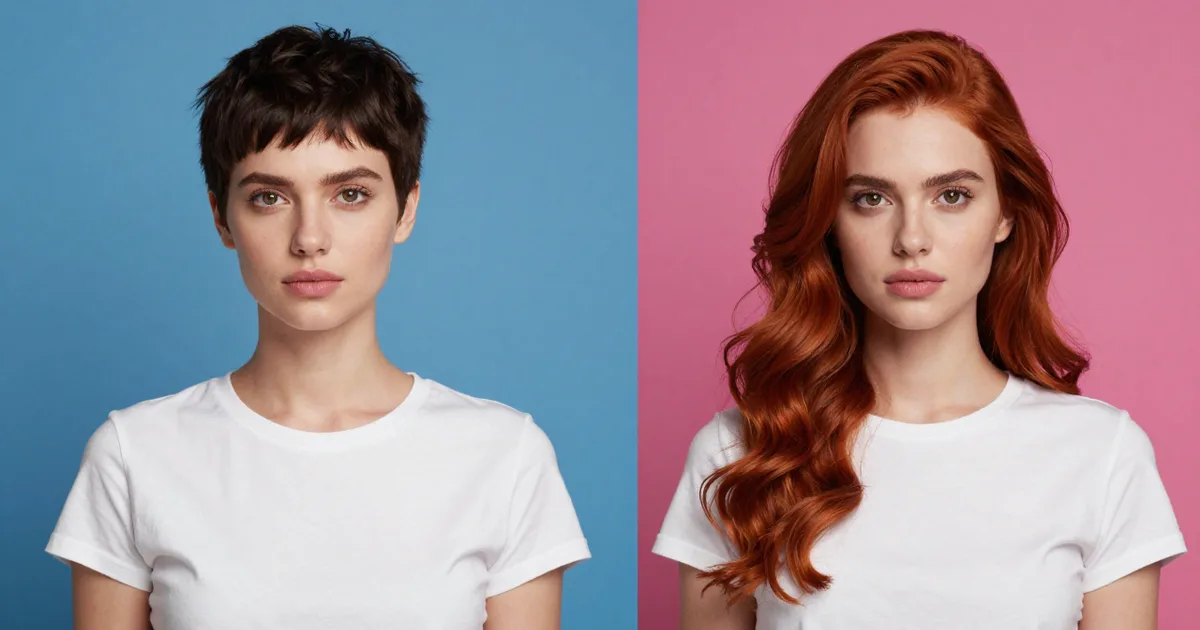
Face swap video result with seamless face replacement

6.When to Use Face Swap vs. Talking Avatar

These are different tools that people sometimes confuse:

A dancer frozen mid-spin in an empty warehouse space, dust motes in a shaft of light, dramatic shadow stretching across

Face swap / character replacement: Replaces the full body or animates a full character with motion from a reference video. Best for dance content, training videos, film post-production.

Talking avatar / lip sync: Generates a video of a face speaking from an audio track. The character doesn't move their body — only their face and mouth. Best for podcast videos, presentations, educational content.

If you need a character dancing or performing physical actions → face swap / character replacement. If you need a character speaking to camera → talking avatar.

Face enhancer output with improved quality after processing

7.Ethical Use

AI face swap technology is powerful. Use it responsibly:

A profile portrait of a woman turning her head, hair caught in motion, warm rim light separating her from a dark studio

  • Get consent before using someone's likeness
  • Don't create non-consensual content
  • Don't impersonate real people without permission
  • Don't spread misinformation through manipulated video
  • Label AI-generated content where appropriate

Most platforms (including Imagera) have terms of service prohibiting harmful use. Violating these terms can result in account termination and may have legal consequences.

8.Pricing: What Face Swap Actually Costs

8.1Desktop Tools (Hidden Costs)

  • GPU hardware: $300-$1,500+
  • Setup time: 2-10 hours
  • Per-video cost after setup: $0 (but electricity, wear)
  • Ongoing: Model updates, driver maintenance

A performer in a bright loft rehearsing a hip-hop pose, one hand planted on the floor, the other reaching up, sunlight t

8.2Imagera (Pay-Per-Use)

  • SD (480p): 20 credits per 5 seconds (~$1.00)
  • HD (720p): 40 credits per 5 seconds (~$2.00)
  • 30-second SD video: $6.00
  • 30-second HD video: $12.00
  • No subscription, no hardware required

8.3Subscription Tools

  • Viggle AI: Free tier (limited) + paid options
  • Kling AI: $5.99-$89.99/month
  • Runway: $12-$95/month
  • Pika: Subscription required

For 5-20 videos per month, pay-per-use online tools cost less than any subscription. For 1-5 videos, they cost significantly less than desktop setup.

9.Tips for Best Face Swap Results

The difference between a convincing face swap and an obvious fake comes down to input quality and parameter choices.

9.1Source Image Quality

Resolution matters. Use the highest resolution source image available. AI can't add detail that doesn't exist — a 200x200 profile picture produces worse results than a 1024x1024 portrait.

Lighting consistency. Match the lighting in your source image to the lighting in the target video. A flat-lit passport photo swapped into a dramatically-lit scene looks wrong. Use an image with similar lighting direction and intensity.

Neutral expression. Start with a neutral or subtle expression in your source image. Extreme expressions (wide open mouth, squinting eyes) constrain what the AI can generate — the output tries to maintain the source expression while also matching the target motion, creating conflicts.

Clean background. For character replacement mode, a clean background on your source image produces cleaner results. The AI separates foreground from background, and complex backgrounds can bleed into the output. If possible, use a portrait with a simple or solid-colored background.

9.2Reference Video Selection

Stable camera. Videos with steady camera work produce better face swaps than shaky handheld footage. The skeleton tracking system works best when the subject's movement is clear and unambiguous.

Full visibility. Avoid reference videos where the subject frequently turns away from camera, is partially occluded by objects, or moves in and out of frame. The skeleton tracker loses points when limbs aren't visible, which degrades output quality.

Appropriate duration. Start with 5-second clips when testing. Review the output quality before committing credits to longer 15-30 second videos. Short test clips cost only $1 (SD) and reveal any issues before you scale up.

9.3Post-Processing

For professional results, run face swap output through Imagera's Video Enhancer after generation. The upscaling pass recovers detail lost during the swap process and produces noticeably sharper final output, especially when upscaling from SD (480p) to HD or 4K.

10.Common Questions

Face swap technology itself is legal. How you use it determines legality. Creating content with consent for business, creative, or personal use is fine. Creating non-consensual content, impersonating real people, or using it for fraud can be illegal depending on jurisdiction. Several US states and the EU have specific laws about synthetic media.

10.2Can I face swap in a video on my phone?

Yes, with online tools. Since Imagera and similar browser-based tools run processing on cloud GPUs, your device doesn't matter. Upload from your phone browser, process in the cloud, download the result. No app installation needed.

10.3How long does AI face swap take?

Processing time varies by tool. Imagera's PoseNet + WAN 2.2 pipeline processes in 40-60 seconds regardless of video length (up to 30 seconds). Desktop tools depend on your hardware — anywhere from 30 seconds to 30 minutes for the same video.

10.4What's the maximum video length?

Imagera supports up to 30 seconds per generation. Kling supports 2+ minutes. Most other online tools cap at 4-10 seconds. For longer videos, you can process segments and stitch them together using Imagera's Video Editor.

10.5Does it work with anime or illustrated characters?

Yes. The skeleton tracking works on any human-proportioned character — photos, anime, illustrations, 3D renders, product mascots. The AI adapts the detected motion to match the character's proportions and style.

10.6What quality should I choose — SD or HD?

SD (480p) is sufficient for social media, memes, and previews. HD (720p) is better for professional marketing, training videos, and content where quality matters. SD costs half as much, so use it for testing and iteration before committing to HD for final output.


Part of the AI Face Swap Video series. See also: How to Face Swap in Videos with AI | Talking Avatar | Video Enhancer

12.Which mode should you pick — Animate Photo or Character Replacement?

Pick Animate Photo when your goal is a still image that moves — the "dancing photo" trend, a portrait that gestures, a mascot that walks — because you supply one photo plus a driving video and the motion transfers onto your image. Pick Character Replacement when you have an existing video and want to swap the person in it for a different character while keeping the original scene, lighting, and camera moves intact. The deciding question is simple: are you starting from a photo (Animate) or from a video you want to change (Replace)?

Both modes lean on the same skeleton-tracking step — the AI detects body joints in the reference and maps them onto your target — so input quality drives output quality in both. The mode choice mostly affects what you upload and what stays fixed: Animate keeps your photo's background and restyles motion onto it, while Replacement keeps the source video's world and drops in a new character.

DecisionAnimate PhotoCharacter Replacement
You start fromOne still photo + a driving videoAn existing source video
What stays fixedYour photo's backgroundThe source video's scene & camera
Best forDancing photos, mascots, portraits that moveSwapping the person in real footage
Character sourceAny human-proportioned imageAny human-proportioned image
Typical useSocial, memes, promoTraining video updates, post-production
Credit basisPer 5s (SD/HD)Per 5s (SD/HD)

13.How do you cut credit spend while dialing in a face swap?

Test on a 5-second SD clip first — SD (480p) is 20 credits ($1) per 5 seconds versus 40 credits ($2) for HD, so a short SD test reveals tracking and lighting problems before you commit to a full 30-second HD render. Most avoidable spend comes from generating long HD videos before checking whether the source image lighting matches the reference video; a mismatch shows up in the first two seconds, which a cheap SD test catches.

The workflow that wastes the fewest credits: run one 5s SD pass, confirm the skeleton tracking holds through the movement, fix your inputs if the face drifts, then scale to HD only for the final. If the final needs to be crisper, an upscaling pass through Imagera's Video Enhancer recovers detail after the swap — often cheaper and cleaner than re-rendering the whole clip at a higher tier just to chase sharpness.

Frequently Asked Questions

How do I face swap in a video online?
We compare the best AI face swap video apps — Imagera, Reface, DeepFaceLab, and more. See pricing, quality, ease-of-use, and which tool works best for your project.
How much does a 30-second face swap video cost in credits?
At SD (480p) it's 20 credits per 5 seconds, so a full 30-second clip is 120 credits (~$6); at HD (720p) it's 40 credits per 5 seconds, or 240 credits (~$12) for 30 seconds. Credit packs start around $19.99 on pricing. Because it's pay-per-use with no subscription, testing a short SD segment first keeps early iterations cheap.
Does face swap work on anime or illustrated characters?
Yes. Skeleton tracking works on any human-proportioned character — photos, anime, illustrations, 3D renders, or product mascots — because it maps detected body joints onto the character regardless of art style. The AI adapts the motion to the character's proportions, so a stylized figure can inherit the movement from a real reference video.
Why does my swapped face drift or flicker between frames?
Drift and flicker usually come from an unstable reference video or a source image whose lighting doesn't match the scene. The skeleton tracker loses points when the subject turns away, is occluded, or moves out of frame, which degrades consistency. Use a steady-camera reference where the subject stays fully visible, and pick a source portrait with lighting direction similar to the target video.
Can I run AI face swap in-browser with no desktop install?
Yes — upload the clip and a face reference in Face Swap / video tools, preview identity lock, then export. Prefer short clips for the first test.
How much do AI face-swap video jobs cost?
Video face-swap is a cloud studio job — credit packs start around $19.99 on pricing. Clip length and resolution dominate cost; test a short segment first.
Is there an AI face swap tool that works without downloading?
Follow the step-by-step section above, then validate on a short sample before batching. Product entry: /video/character-replacement.
What is the best online AI face swap for videos?
See /video/character-replacement.

Imagera AI Team

AI Content & Editorial Team

The Imagera AI editorial team brings together AI researchers, product specialists, and content strategists covering practical AI creation workflows.

Areas of Expertise:

AI Image GenerationAI Voice RecreationAI Avatar CreationContent Marketing

Put this guide to work

Swap the entire head — hair, angle and identity intact — not just the face.