You can complete this on Imagera without installing software: upload a real source file, describe the change, confirm credits up front, generate, and review before you publish. AI Voice & Audio Detection: How to Identify Cloned Voices and Synthetic Speech — this guide covers the steps, quality checks, and when to open related tools.
Your phone rings. It sounds exactly like your CEO asking for an urgent bank transfer. The voice, the phrasing, the slight cough mid-sentence — it all matches. But it's a synthetic clone generated from a 10-second clip pulled from a conference keynote on YouTube.
Voice cloning crossed the "indistinguishable threshold" in 2026. 70% of people now doubt their ability to distinguish real from fake voices. And with clones achievable from just 3 seconds of audio, the threat applies to everyone.
This guide covers how AI audio detection works, which tools catch synthetic speech, and how to protect yourself and your organization.
::key-takeaway TL;DR: Voice cloning now needs just 3 seconds of audio to produce an 85% match. AI audio detectors analyze spectral patterns, breathing, and micro-tremors to identify fakes. Pindrop leads enterprise detection at 99% accuracy. Imagera AI offers multi-modal audio detection alongside image, text, video, and deepfake scanning. Manual tells: missing breaths, flat emotions, metallic undertones. ::
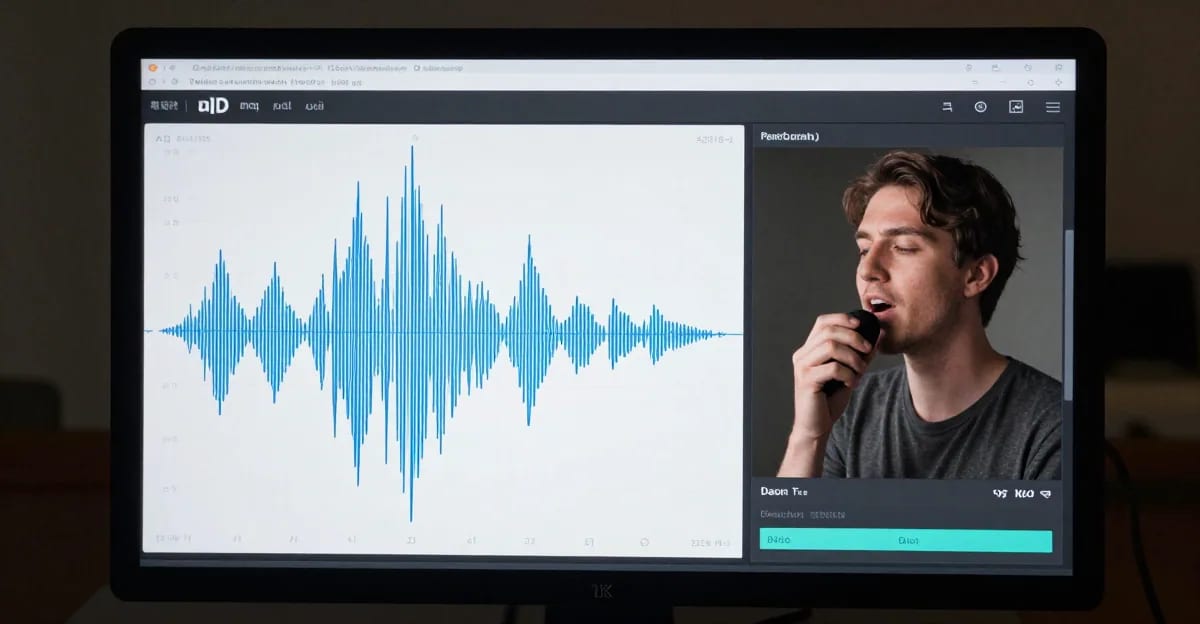
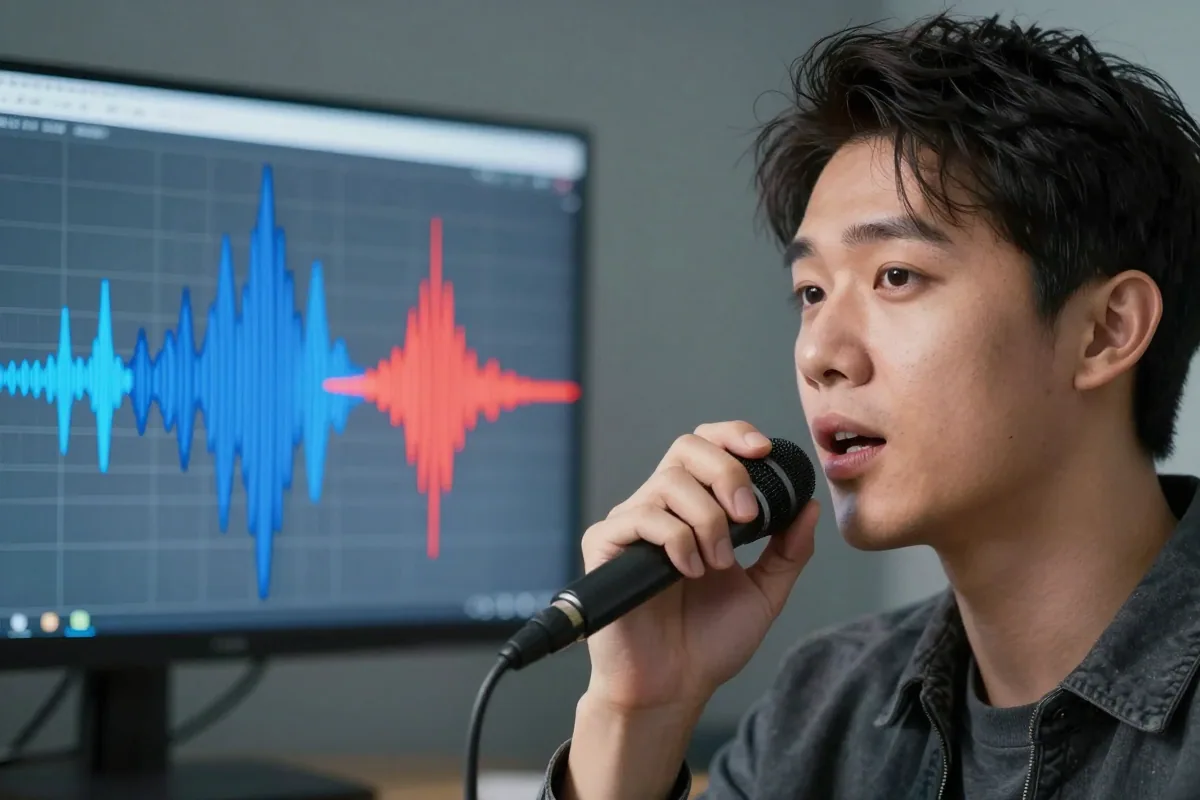
Real Imagera output: two hosts at studio mics — spoken audio you would compare against a cloned or synthetic voice.
Quick answer: You can spot an AI-cloned voice by listening for unnatural breathing, flat emotional cadence, and absent mouth or room noise, then confirming with spectral analysis that reveals synthetic artifacts a human voice would never produce.
How can you tell if a voice is AI-generated in 2026?
In 2026, listen across 3 signals: breathing that never varies, pitch that stays within an unnaturally narrow range, and background silence with zero room tone. Modern voice cloning needs under 60 seconds of sample audio, so even short phone clips can now sound convincing, making trained-ear checks and spectral tools essential.
Are AI voice detection tools accurate enough to trust on a phone call?
Detection accuracy drops sharply on compressed, low-bitrate phone audio compared to clean studio recordings, where artifacts are far easier to catch. No single tool is definitive, so combine 2-3 methods, a callback verification, and a code word before acting on any urgent voice request. Imagera pairs spectral analysis with manual tell checklists for stronger results.
The Voice Cloning Threat in 2026 {#threat-landscape}
The voice cloning landscape has shifted dramatically:
- 3 seconds of audio is enough to create a basic voice clone with 85% accuracy
- 30-60 seconds produces a clone most listeners can't distinguish from the original
- 70% of people can't reliably tell real voices from AI-generated ones
- Voice-based fraud has emerged as a top vector alongside video deepfakes
- Call center attacks using voice clones increased significantly, with enterprises losing hundreds of thousands per incident
The technology behind this is neural text-to-speech (TTS) and voice conversion — models that learn the unique characteristics of a voice (pitch, cadence, timbre, accent) and reproduce them from any text input.
Who's at Risk?
- Executives — Conference talks, interviews, and earnings calls provide ample training data
- Public figures — Politicians, journalists, and influencers have extensive voice samples online
- Customer service — Callers impersonating account holders to authorize transactions
- Families — "Grandparent scams" using cloned voices of relatives in distress
How AI Audio Detection Works {#how-detection-works}
AI audio detectors analyze multiple layers of a voice signal:
1. Spectral Analysis
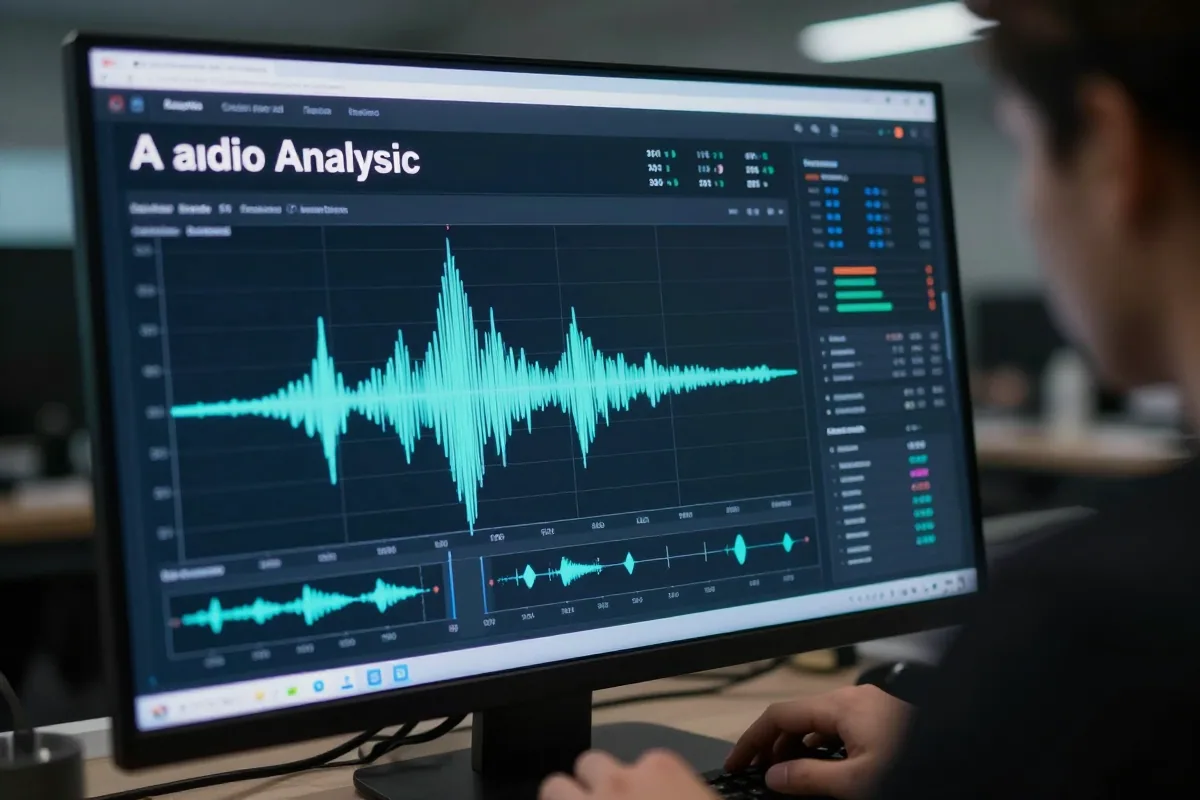
Real human voices produce complex spectral patterns from the physical resonance of vocal cords, throat, and mouth. AI-generated voices approximate these patterns but leave subtle signatures:
- Harmonic distribution — Natural voices have irregular harmonics; synthetic voices show smoother, more uniform patterns
- Formant consistency — The resonant frequencies of natural speech shift dynamically; AI formants can be too consistent
- Background noise interaction — Real recordings have natural background noise that interacts organically with the voice; AI audio layers noise artificially
2. Temporal Micro-Pattern Analysis
Human speech has micro-level timing variations that are extremely difficult to synthesize:
- Micro-tremors — Involuntary vocal cord vibrations that occur naturally in all human speech
- Breathing patterns — Real speakers breathe audibly between phrases with natural variation
- Articulation transitions — How consonants blend into vowels has physiological constraints AI doesn't always replicate
- Pause patterns — Natural hesitations, filler sounds ("um", "uh"), and thinking pauses
3. Prosodic Analysis
Prosody — the rhythm, stress, and intonation of speech — reveals synthesis:
- Emotional authenticity — AI voices struggle with genuine emotional inflection during spontaneous speech
- Emphasis patterns — Natural speakers emphasize words unpredictably; AI follows more algorithmic patterns
- Pitch contour — The rise and fall of pitch in natural speech is more variable than synthetic versions
4. Environmental Consistency
Audio forensics examines whether the recording environment is consistent:
- Room acoustics — Real recordings have consistent reverberation; spliced audio may have mismatched acoustics
- Background continuity — Environmental sounds should remain consistent throughout genuine recordings
- Microphone signature — Different recording devices leave characteristic frequency responses
7 Best AI Audio Detection Tools {#best-tools}
1. Imagera AI Audio Detection
Best for: Multi-modal detection — check audio alongside images, text, video, and deepfakes in one platform
Imagera AI's audio detector checks clips for synthetic speech and reports an AI probability from 0 to 100%, a confidence figure and a label, with the signals behind them. Imagera does not publish an accuracy percentage for its detectors, because it has not run a benchmark that could support one.
| Feature | Detail |
|---|---|
| Pricing | 20 credits per scan |
| Extras | Multi-modal — also detect AI images, text, video, deepfakes |
Try Imagera AI Audio Detection →
2. Pindrop
Best for: Enterprise call center protection
The industry leader in voice security. Analyzes over 1,300 audio features per second to verify caller identity and detect synthetic speech. Used by major banks and financial institutions.
| Feature | Detail |
|---|---|
| Accuracy | 99% on known cloning tools, 88% on novel generators |
| Pricing | Enterprise licensing |
| Deployment | On-premise and cloud options |
3. Resemble AI Detect
Best for: Developers building voice verification
Resemble AI — itself a voice cloning company — offers a detection API specifically designed to catch synthetic audio. Their dual perspective (building and detecting clones) gives them unique insight into synthetic speech artifacts.
| Feature | Detail |
|---|---|
| Accuracy | 93% on their own clones, varies on others |
| Pricing | API-based pricing |
| Extras | Real-time streaming detection |
4. Reality Defender Audio
Best for: Media verification and journalism
Part of Reality Defender's broader deepfake detection suite. Provides confidence scores for audio authenticity with detailed spectral analysis reports suitable for editorial decision-making.
5. Nuance Gatekeeper
Best for: Banking and financial services
Biometric voice authentication with built-in synthetic speech detection. Combines voiceprint matching with liveness detection to prevent both cloning and replay attacks.
6. ID R&D
Best for: Passive voice liveness detection
Operates passively during normal conversation — no need for the speaker to say specific phrases or perform actions. Detects synthetic speech, recorded playback, and voice conversion in real-time.
7. Veridas
Best for: Multilingual voice verification
Supports voice verification across 30+ languages with built-in deepfake detection. Strong in European and Latin American markets with multilingual capabilities.
::key-takeaway Recommendation: For all-in-one detection across audio plus images, text, and video, use Imagera AI. For dedicated call center protection, Pindrop is the industry standard. For development/API integration, Resemble AI Detect offers the best developer experience. ::
Voice Cloning Tools and Detection Difficulty {#cloning-tools}
Understanding which voice cloning tools exist and how detectable they are helps calibrate your defense:
| Voice Cloning Tool | Quality | Detection Difficulty | Primary Use |
|---|---|---|---|
| ElevenLabs v3 | Excellent | Medium | Content creation, dubbing |
| OpenAI TTS | Very Good | Medium-High | App integration, accessibility |
| Bark | Good | Medium | Open-source, research |
| Coqui XTTS | Good | Medium | Open-source, multilingual |
| Resemble AI | Excellent | High | Enterprise, custom voices |
| Fish Audio | Very Good | Medium | Multilingual synthesis |
| Parler TTS | Good | Low-Medium | Open-source, descriptive |
| F5-TTS | Very Good | High | Research, academic |
| LOVO | Very Good | Medium | Video narration, marketing |
| PlayHT | Good | Low-Medium | Podcasts, content |
Why Some Clones Are Harder to Detect
Detection difficulty correlates with several factors:
Training data quality — Clones trained on more diverse, longer audio samples produce more natural output that's harder to distinguish from real speech.
Post-processing sophistication — Advanced tools add artificial micro-tremors, breathing sounds, and room acoustics to make synthetic audio more realistic.
Model architecture — Diffusion-based models (like newer ElevenLabs versions) produce different artifacts than autoregressive models, requiring different detection approaches.
Output format — Compressed audio (MP3, low-bitrate) strips some of the spectral artifacts detectors rely on, reducing accuracy across all tools.
Real-World Voice Scam Scenarios {#scam-scenarios}
Understanding how voice clones are weaponized helps you recognize threats:
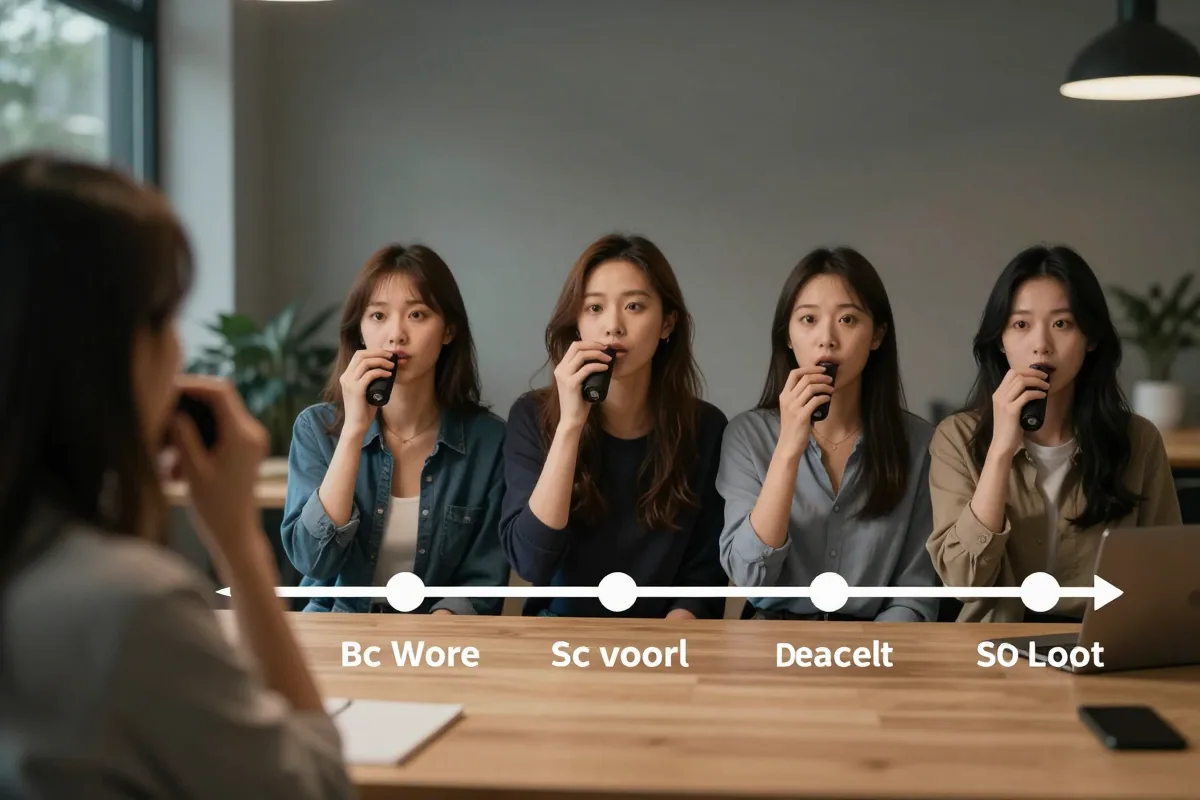
The CEO Wire Transfer Scam
A finance employee receives a call from someone sounding exactly like the CEO. They request an urgent wire transfer to a new vendor. The voice clone was created from a 2-minute segment of the CEO's earnings call available on YouTube. Defense: Mandatory callback verification on a pre-registered number for any transfer over $10,000.
The Grandparent Scam
An elderly person receives a frantic call from someone sounding like their grandchild, claiming to be in trouble and needing money immediately. The voice was cloned from social media videos. Defense: Pre-agreed family code words that change monthly.
The Customer Service Impersonation
A caller contacts a bank claiming to be an account holder, using a cloned voice to pass voice biometric authentication. They then authorize transfers or change account details. Defense: Liveness detection + behavioral analysis + multi-factor authentication.
The Political Manipulation
Synthetic audio recordings of a political figure making controversial statements are released days before an election. The audio is convincing enough to go viral before it can be verified. Defense: Real-time detection tools deployed on social media platforms + C2PA content provenance verification.
The Corporate Espionage Call
A voice clone of a company executive calls an employee requesting confidential information, trade secrets, or access credentials. The clone was trained on publicly available conference presentations. Defense: Employee training + mandatory verification procedures for any sensitive information request.
How to Spot AI Audio Manually {#manual-detection}
When tools aren't available, train your ear for these tells:
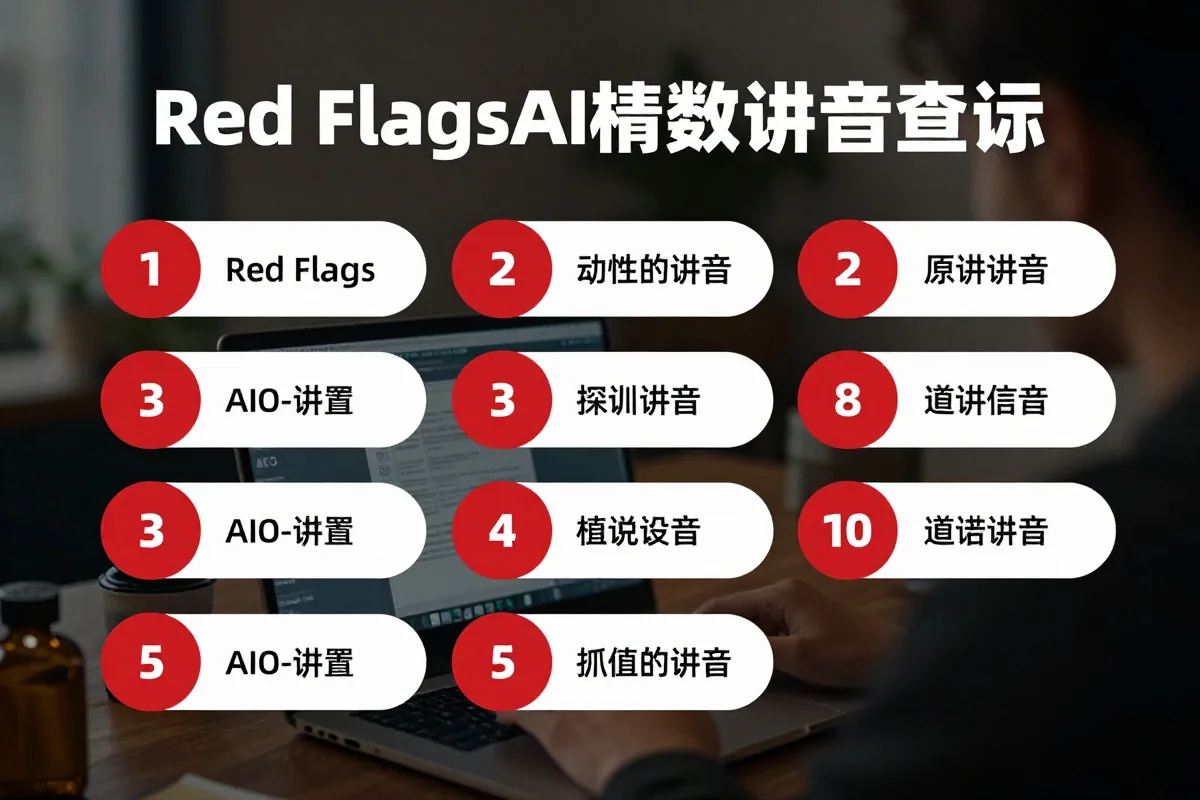
Red Flags in Speech
- No breathing — Real speakers breathe between phrases. AI audio often has unnaturally clean gaps with zero breath sounds
- Flat emotional range — The voice maintains the same emotional tone regardless of content. Real speakers vary their delivery based on what they're saying
- Metallic undertones — A subtle "digital" quality or slight metallic shimmer, especially on sibilants (s, sh, ch sounds)
- Too-perfect pronunciation — Every word enunciated clearly without the natural mumbling, slurring, or shortcutting humans do in casual speech
- Consistent pace — Real speech accelerates and decelerates naturally. AI voices often maintain an unnaturally even cadence
- No verbal fillers — The complete absence of "um", "uh", "you know", "like" in conversational contexts
Red Flags in Recording Quality
- Mismatched acoustics — The room reverb changes partway through, suggesting different audio sources were spliced
- Unnatural silence — Dead silence between sentences rather than room tone (the ambient noise present in all real recordings)
- Abrupt transitions — Sudden changes in volume, tone, or quality between phrases
The Phone Call Test
If you suspect a live call is using a voice clone:
- Ask unexpected questions — "What did we discuss at our last meeting?" Forces real-time generation that clones handle worse
- Request singing or unusual vocalization — AI voices struggle with non-speech vocalization
- Listen for delay — Real-time cloning adds 0.5-2 seconds of processing latency
- Interrupt mid-sentence — Natural speakers react fluidly; clones may pause or restart awkwardly
Enterprise Voice Fraud Defense {#enterprise-defense}
Prevention Layer
- Voice biometric enrollment with liveness detection for all authorized personnel
- Code words — Pre-agreed verification phrases for high-value transactions
- Multi-factor authentication — Never authorize transfers on voice alone
- Limit public voice exposure — Consider using synthesized voices for public-facing content to reduce cloning material
Detection Layer
- Deploy voice authentication at all customer touchpoints
- Integrate Imagera AI or Pindrop for automated call screening
- Real-time monitoring for anomalous voice patterns during calls
- Flag high-risk requests — Large transfers, new payees, and rushed timelines
Response Layer
- Incident response playbook specific to voice fraud scenarios
- Callback verification — Always call back on a known number before authorizing high-value actions
- Forensic preservation — Record and preserve suspected synthetic calls for investigation
Key Takeaways {#key-takeaways}
- Voice cloning needs only 3 seconds of audio to produce a convincing clone — everyone is a potential target
- 70% of people can't distinguish real from synthetic voices — automated detection is essential
- Multi-modal detection via Imagera AI covers audio alongside images, text, video, and deepfakes
- Manual tells still work — missing breaths, flat emotions, metallic undertones, too-perfect pronunciation
- Enterprise defense requires layers — prevention (biometrics), detection (AI tools), and response (callback verification)
- Real-time detection remains challenging — pre-recorded audio detection is far more reliable than live call analysis
See it in action — real Imagera output
These are real, unedited results from the Imagera voice generator — the exact tool this guide covers.
Conclusion {#conclusion}
Voice cloning in 2026 represents one of the most personal AI threats — it weaponizes your own voice against the people who trust it. But detection tools are advancing, manual awareness helps, and layered defense strategies work.
The key is never relying on a single method. Combine automated detection, human awareness, and procedural safeguards to stay ahead.
::cta Worried about synthetic audio? Try Imagera AI's audio detector — check suspected AI-cloned voices alongside images, text, video, and deepfakes in one platform, at 20 credits per audio scan. ::
Related Articles:
- Deepfake Detection in 2026: How to Spot AI-Generated Videos, Images & Audio
- AI Text Detection: 8 Best Tools to Detect ChatGPT & AI Writing
- AI Image Detector Accuracy: 5 Tools Compared
- 10 Visual Signs an Image Was Made by AI