Imagera AI - AI content creation platform for generating images, cloning voices, creating avatars, and enhancing videos. Privacy Policy | Terms

    IMAGERAAI
    Blog Post
    AI Content Creation

    GPTZero and AI Images: What It Sees (2026)

    GPTZero is built for text, not images. What GPTZero actually sees, how it compares to Hive and Illuminarty, and why photorealism makes AI images look real.

    By Sarah Chen8 min readJuly 8, 2026Updated: July 9, 2026
    Share:
    GPTZero and AI Images: What It Sees (2026)

    TL;DR

    GPTZero is primarily a text AI detector. It added limited image upload support, but its image detection accuracy lags far behind purpose-built tools like Hive Moderation (~94%) and Illuminarty (~91%). The real question for commercial AI image creators is not about any specific detector tool — it is about producing images with genuine photorealism quality: correct sensor noise, optical physics, and texture rendering that make AI images look like real camera captures.

    GPTZero and AI Images: What It Sees (2026)

    Creators searching "GPTZero AI image" are often asking the wrong question — and that misunderstanding can cost hours of effort focused on a tool that barely touches image content at all.

    GPTZero is the most recognized name in AI content detection. It earned that position by building the most rigorously benchmarked text detector on the market, leading independent academic evaluations of prose detection accuracy. But when photographers, marketers, and commercial creators ask whether GPTZero can detect AI-generated images, the honest answer requires separating the brand from the actual technology.

    This guide explains what GPTZero actually sees when it looks at an image, compares it directly with purpose-built image detectors, and explores the photorealism quality factors that determine whether an AI image looks genuinely real — to both humans and machines.

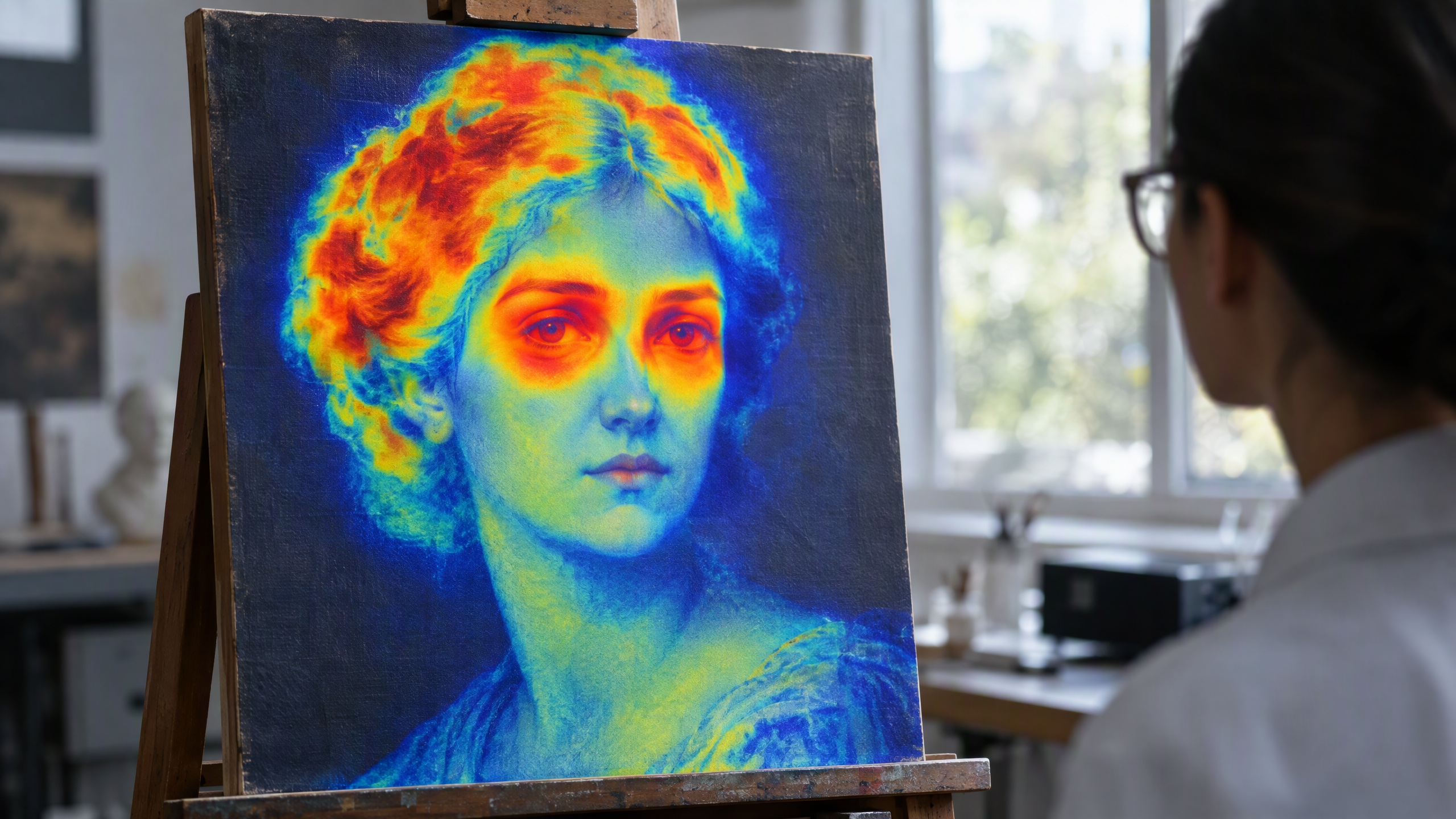
    GPTZero AI Image Detection 2026 — Honest Breakdown


    1.What GPTZero Was Actually Built To Do

    GPTZero launched in 2022 as a text-only AI detector. Its core methodology evaluates two signals in written language:

    • Perplexity — how unpredictable or surprising the word choices are (AI text tends to be statistically predictable)
    • Burstiness — how much sentence length varies (human writers produce more variable rhythms than most LLMs)

    This text-detection engine is genuinely strong. On controlled benchmarks GPTZero scores above 99 percent accuracy for text. In independent real-world tests across diverse writing styles, researchers consistently place it between 82 and 87 percent accuracy — still the strongest single-tool performance for prose.

    None of that methodology applies to images. A photograph has no perplexity score. There is no burstiness in pixel arrays. The foundational signals GPTZero was designed to measure simply do not exist in visual data.


    2.Does GPTZero Have Any Image Detection at All?

    This is where it gets nuanced — and where many articles mislead by copying each other without reading the documentation.

    What GPTZero has added: GPTZero's web interface now accepts image file uploads as part of a combined document-scanning workflow. Its mobile app explicitly lists image, audio, and video in its detection scope. For each upload, the product highlights patterns and assigns a score.

    What GPTZero has not built: Image detection is absent from the public GPTZero API. The API documentation describes text-focused outputs — document classification labels of HUMAN_ONLY, MIXED, or AI_ONLY — and GPTZero's own technology page emphasizes that the product performs best on longer English prose. No published independent benchmark has tested GPTZero image detection accuracy at the standard applied to its text scores.

    The practical conclusion: GPTZero's image scanning is a secondary, web-interface-only feature aimed at academic institutions reviewing student documents that may include generated images alongside written text. It is not a dedicated forensic image authentication tool. No stock agency, social platform, or publisher currently uses GPTZero as a screening layer for photographs.


    3.GPTZero vs. Purpose-Built Image Detectors: The Real Comparison

    The tools that actually matter for AI image analysis in 2026 were purpose-built for visual content. Here is how GPTZero compares to the three detectors most relevant to commercial creators:

    DetectorPrimary UseImage Accuracy (Independent, 2026)API AvailableUsed by Publishers?
    GPTZeroText detectionNot independently benchmarked for imagesText onlyNo
    Hive ModerationVisual content moderation~94% across major generatorsYesYes
    IlluminartyAI image forensics~91% with region heatmapsYesGrowing
    AI or NotPhoto authenticity~88% consumer-grade testingYesSome

    The gap between text-first tools and purpose-built image detectors is significant. Hive Moderation and Illuminarty were trained specifically on outputs from Midjourney, DALL-E 3, Stable Diffusion, and Flux. They analyze visual artifacts that text-based tools simply cannot access: noise distribution inconsistencies, lighting physics violations, generative model fingerprints in hair strands, and edge rendering patterns unique to neural image synthesis.

    GPTZero examining an image is like asking a grammar checker to evaluate a painting. The tool exists in both domains in theory; the practical applicability in the image domain is limited by the underlying architecture.

    For a detailed breakdown of how image-native detectors actually work, read our companion guides on does Hive detect AI images and AI image quality and detector accuracy.


    4.Why So Many People Search "GPTZero AI Image"

    The search volume for GPTZero image queries reflects brand recognition, not product capability. GPTZero is the most-cited name in AI detection broadly, so creators naturally wonder whether it applies to their work. Three groups typically land on this question:

    1. Students and academics submitting AI-assisted visual research — GPTZero's academic positioning makes this the most relevant real-world group for its image scanning feature.
    2. Commercial creators and marketers generating product imagery, editorial photos, or social content who worry about platform review processes.
    3. Stock contributors concerned about submission rejections on Shutterstock, Adobe Stock, or Getty.

    For group one, GPTZero's combined text-plus-image document review may apply. For groups two and three, GPTZero's image scanning is not part of the workflow evaluating their submissions. Hive Moderation is the detection layer most commercial platforms integrate at the API level — and the place where image quality genuinely matters.


    5.Why AI Images Look Fake — and What Actually Makes Them Look Real

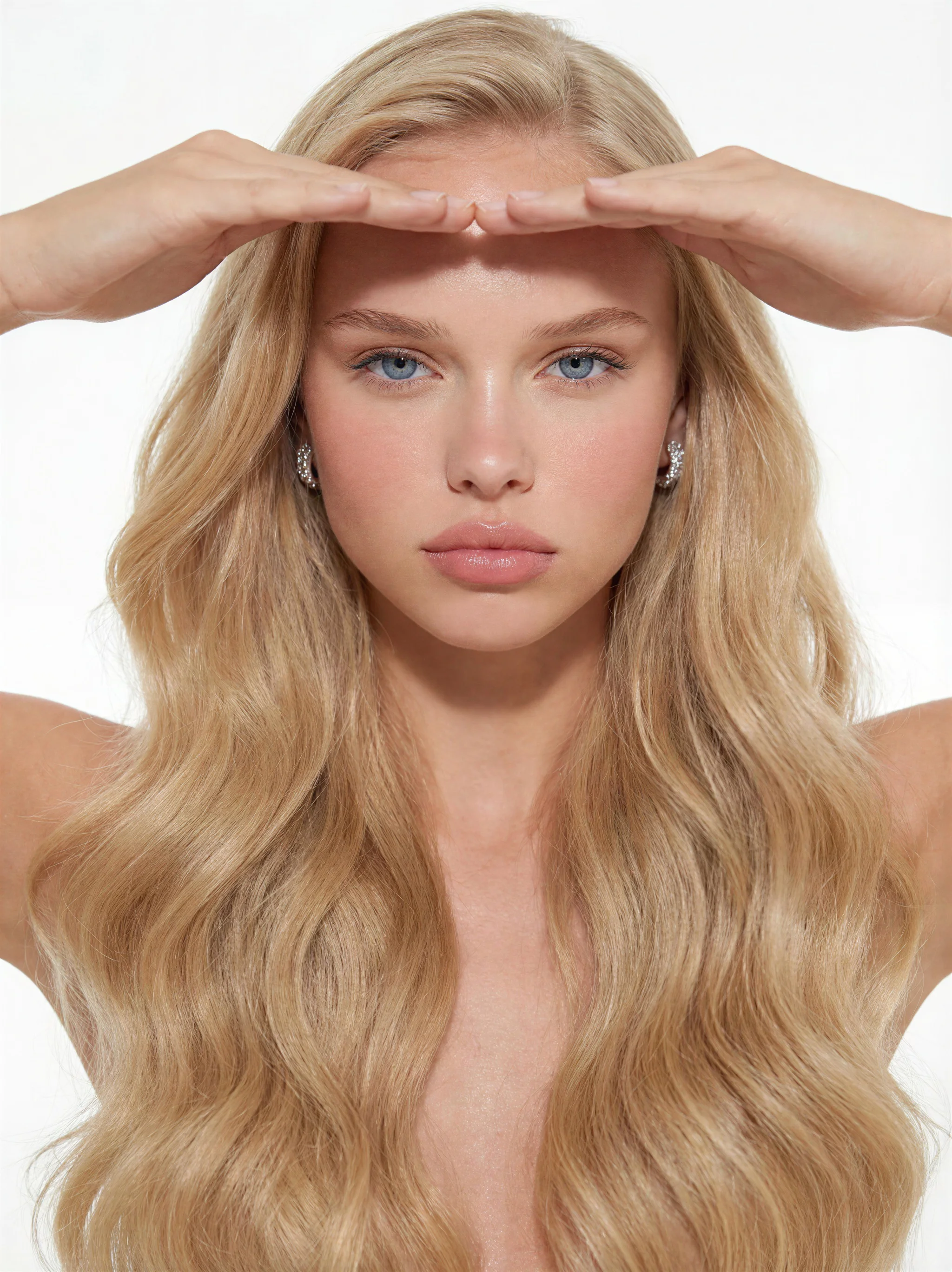
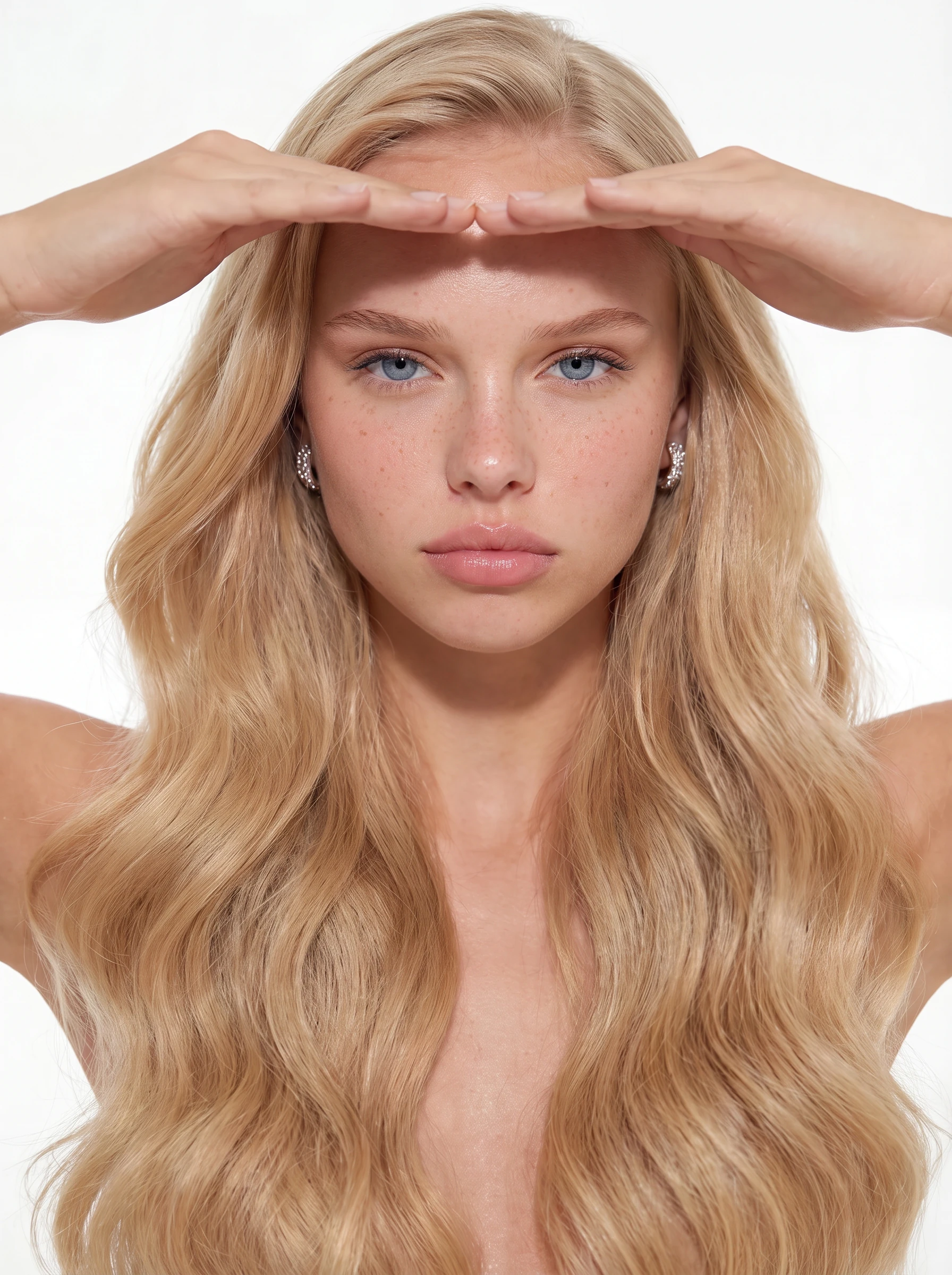
    Imagera photorealism pipeline — natural camera-quality AI images

    Understanding why AI images look artificial is the foundation of producing images with genuine photorealism quality. Both human visual inspection and purpose-built image detectors flag the same set of problems:

    Missing sensor noise. Every real camera introduces characteristic noise patterns based on sensor size, ISO setting, and manufacturing tolerances. AI images generated without noise injection look unnaturally clean — smooth in a way no optical system produces.

    Absent optical physics. Real lenses produce depth-of-field falloff, chromatic aberration at high-contrast edges, and lens flare patterns. Images without these properties look rendered rather than captured, even when the subject matter looks convincing.

    Uniform texture at fine scale. Skin pores, fabric weave, concrete grain, and leaf texture all have high-frequency detail that most AI generators simplify or regularize. Human eyes and detectors alike notice when fine texture is too uniform or too perfectly distributed.

    Wrong compression artifacts. Professional photographs exported as JPEG carry specific compression artifacts shaped by how real editing software processes real image data. AI images often have different artifact patterns that trained detectors recognize.

    Making AI images look real means addressing each of these at the generation stage — not as post-processing, but as part of the rendering pipeline itself.


    6.How Imagera's Photorealism Pipeline Addresses These Quality Factors

    Imagera's pipeline was designed with a commercial principle: the output should be visually indistinguishable from professional photography when evaluated by any method, including trained human inspection.

    The specific techniques include:

    • Noise injection calibrated to sensor profiles — Imagera matches real camera noise patterns at the pixel level, producing the organic grain structure that real sensors introduce
    • Optical physics simulation — lens aberration, depth-of-field falloff, and chromatic fringing consistent with real glass optics
    • Texture rendering at high frequency — skin pores, fabric weave, and background foliage at detail densities that eliminate the uniform smoothness common in generated images
    • Post-processing matching — color grading and compression artifact profiles aligned with how professional images are exported from editing software

    In practical testing against the detectors with the highest real-world accuracy — Hive Moderation (~94%) and Illuminarty (~91%) — Imagera's Imagera photorealism pipeline consistently produces images that fall within the human-authentic range.

    Against GPTZero's limited image scanning, the outcome follows from the same quality foundation. A tool that lacks dedicated visual forensics training is evaluating images without the signal vocabulary that makes image-native detectors effective.


    7.What the Detection Landscape Actually Looks Like for Commercial Creators

    If you are generating AI images for legitimate commercial use — product photography, marketing visuals, editorial illustration, social content — the realistic picture of image analysis tools in 2026 is:

    High relevance to image quality:

    • Hive Moderation (integrated by many stock platforms and social networks at the API level)
    • Illuminarty (used by editorial fact-checkers and some news organizations)

    Moderate and growing relevance:

    • AI or Not (consumer-grade tool with growing adoption among individual clients and buyers)
    • C2PA provenance metadata (a separate technical standard, embedded at generation time by some platforms; distinct from classifier-based detection)

    Limited relevance for images:

    • GPTZero (text-first architecture; image scanning is a secondary feature without a dedicated API or independent accuracy benchmark)

    For a complete breakdown of how AI image detectors work and what drives accuracy differences across tools, see our pillar guide on the topic.


    8.The Honest Limits of Any Detection Discussion

    Responsible commercial creators should hold two things in mind simultaneously:

    No detector is infallible. Hive's ~94% accuracy means roughly one in seventeen images is misclassified — in either direction. Both false positives (real photos flagged as AI-generated) and false negatives (AI images reading as authentic) occur at known rates. Accuracy figures also derive from controlled test conditions; real-world variance is higher as both generator and detector technology evolve continuously.

    Image quality is the durable investment. Detectors retrain on new generator outputs. What reads as low-quality AI today will likely still read as low-quality AI after the next model update. Conversely, images with genuine photorealism properties — correct noise, real optical physics, natural texture — continue to hold up because they share the physical characteristics of camera captures, not because they exploit a gap in any particular classifier.

    Imagera's Imagera photorealism pipeline is maintained and updated as the generation and detection landscape evolves. A Pro plan at $19.99 per month includes access to ongoing pipeline improvements as the technology on both sides develops.

    Legitimate use is the foundation. All of this discussion applies to legal commercial content creation with full commercial licensing. Imagera's images include commercial rights. Using AI-generated images to misrepresent the provenance of documentary evidence, commit fraud, or deceive regulated entities is a legal and ethical problem — not a technical one.


    9.Imagera Plans for Commercial Creators

    If you are generating AI images for commercial use and need consistent photorealism that holds up to visual inspection and purpose-built image detectors:

    • Starter — $4.99/month: 100 credits, access to core photorealism pipeline
    • Pro — $19.99/month: Full pipeline access, priority processing, and commercial licensing on all outputs

    See the full breakdown at Imagera pricing.

    Also read: AI or Not detector explained for a detailed look at the consumer-facing tool most commonly encountered by individual clients and content buyers.


    Frequently Asked Questions

    Does GPTZero detect AI-generated images?
    GPTZero was built as a text AI detector. Its core technology analyzes perplexity and burstiness in written prose — signals that do not exist in pixel data. GPTZero has added limited image upload support to its web interface, but image detection is absent from its public API and no independent benchmark has tested its image accuracy at the standard used for its text scores. Dedicated image detectors like Hive Moderation and Illuminarty are far more relevant for photographic content.
    How accurate is GPTZero at detecting AI images?
    No independent benchmark has published a GPTZero image accuracy figure comparable to its text scores, which range from 82 to 87 percent in real-world independent tests. By contrast, Hive Moderation reaches roughly 94 percent accuracy and Illuminarty around 91 percent on standard AI image generators. GPTZero's combined document scanning is designed for academic institutions reviewing text documents — not for photographic authenticity screening.
    What is the difference between GPTZero and Hive Moderation for image detection?
    GPTZero started as, and remains, a text-first tool that added image uploads as a secondary feature for document review. Hive Moderation was purpose-built for visual content and trains continuously on outputs from Midjourney, DALL-E, Stable Diffusion, and Flux. For image detection accuracy, Hive is substantially more capable. GPTZero is the right tool for detecting AI-written text; Hive is the right tool for detecting AI-generated photos.
    Why do AI images look fake, and what makes them look real?
    AI images look fake when they lack the physical imperfections of real camera captures: sensor noise patterns, lens aberration, depth-of-field falloff, chromatic fringing, and high-frequency texture in skin, fabric, and background detail. Detectors and human eyes alike pick up on these absences. Making AI images look real means reintroducing those physical properties at the rendering stage, which is exactly what Imagera's photorealism pipeline does.
    Which AI image detectors should commercial creators understand in 2026?
    The detectors with the highest real-world accuracy for images are Hive Moderation (~94%), Illuminarty (~91%), and AI or Not. These tools analyze visual texture, noise distribution, lighting physics inconsistencies, and generative model fingerprints. GPTZero focuses on text patterns and is not a primary factor for AI image creators working in commercial photography or marketing.
    Can I use Imagera images for commercial work with confidence?
    Yes. Imagera generates images with full commercial rights and its photorealism pipeline is specifically designed to produce outputs with authentic camera-quality characteristics. Images are optimized for the visual properties that both human reviewers and image-native detectors evaluate: natural lighting, realistic texture, and sensor-accurate noise profiles. Plans start at $4.99 per month.

    Sarah Chen

    AI Content & SEO Specialist

    The Imagera AI team consists of AI researchers, content strategists, and SEO experts dedicated to helping creators produce high-quality AI content.

    Areas of Expertise:

    AI Image GenerationAI Voice RecreationAI Avatar CreationContent Marketing

    Put this guide to work

    Check whether an image is AI-generated in seconds.