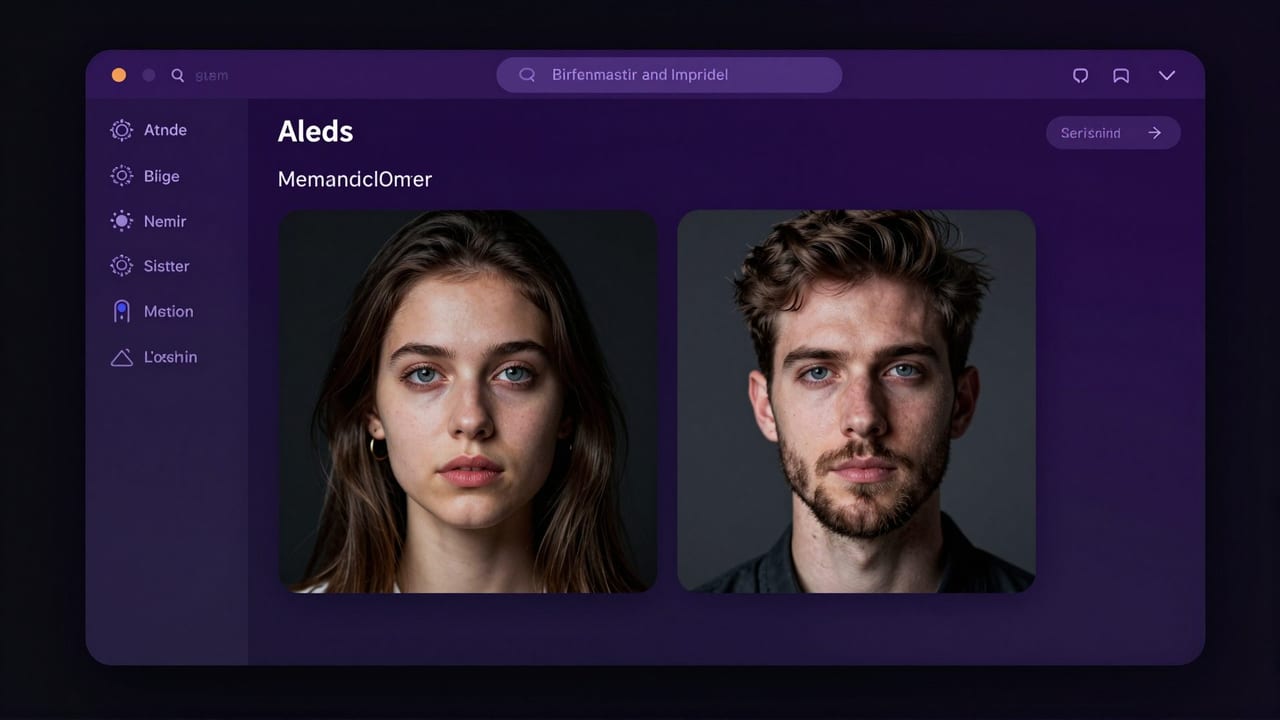
Realistic AI Image Generator: Photos That Look Real (2026)
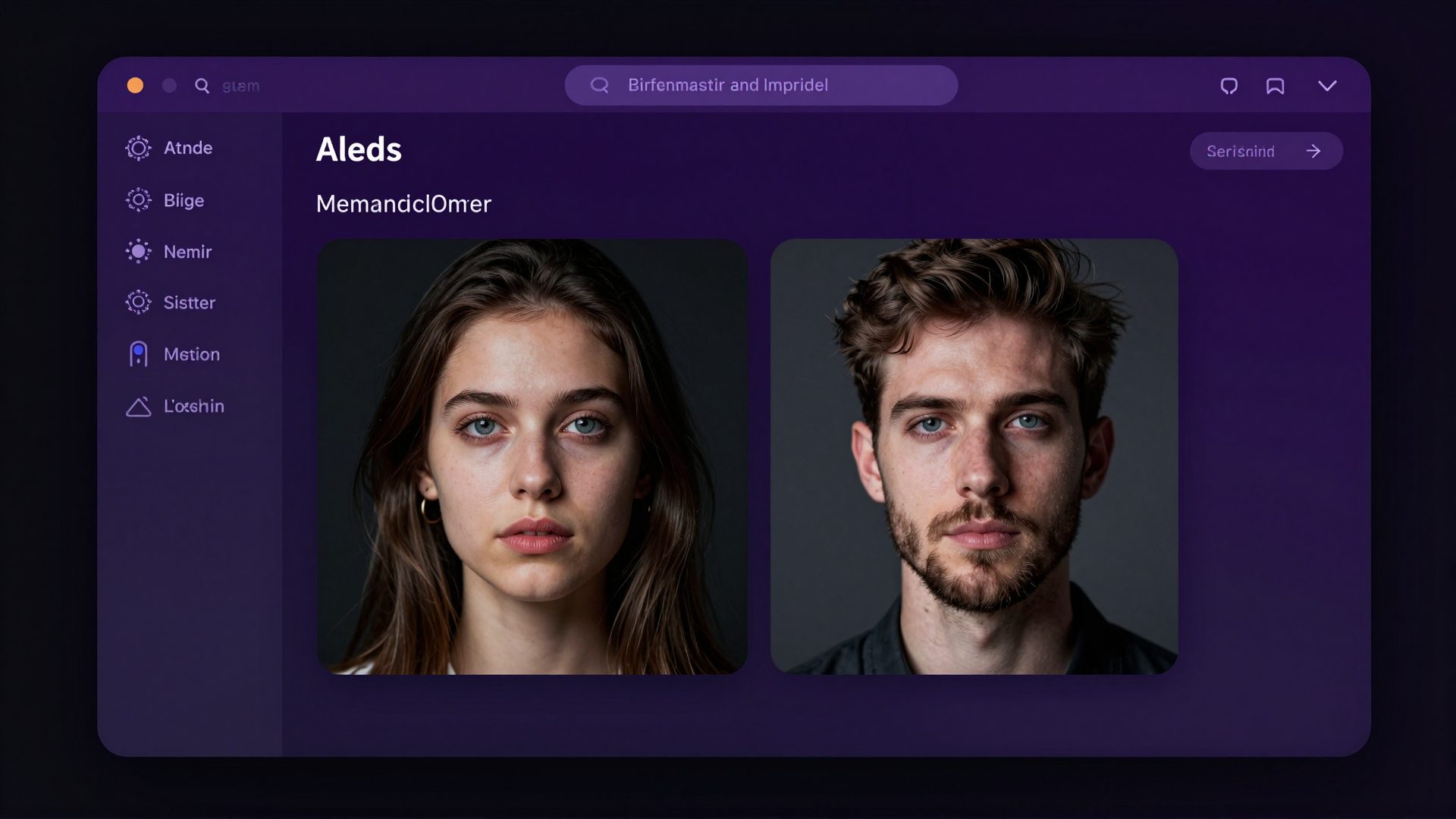
Most AI image generators were built to be impressive. Not to look like real photographs. That gap — between visually stunning and commercially usable — is why photographers, e-commerce brands, and content teams keep running into the same wall: images that look incredible in a preview but fail in professional workflows, platform quality review, or client creative review because they simply do not carry the physical signatures of a real camera.
This guide is a practical buyer's comparison. We explain what actually separates a photorealistic AI image generator from a standard one, walk through what makes images look authentically real, compare the main tools available in 2026, and show you where Imagera's realistic AI image generator fits — and why it was built differently from the ground up.
Quick answer: A realistic AI image generator turns a text prompt or reference photo into a photographic-quality picture, and in 2026 Imagera renders sharp, camera-real results at up to 4K in under a minute, then upscales to 8K for print.
1.How realistic can AI-generated images look in 2026?
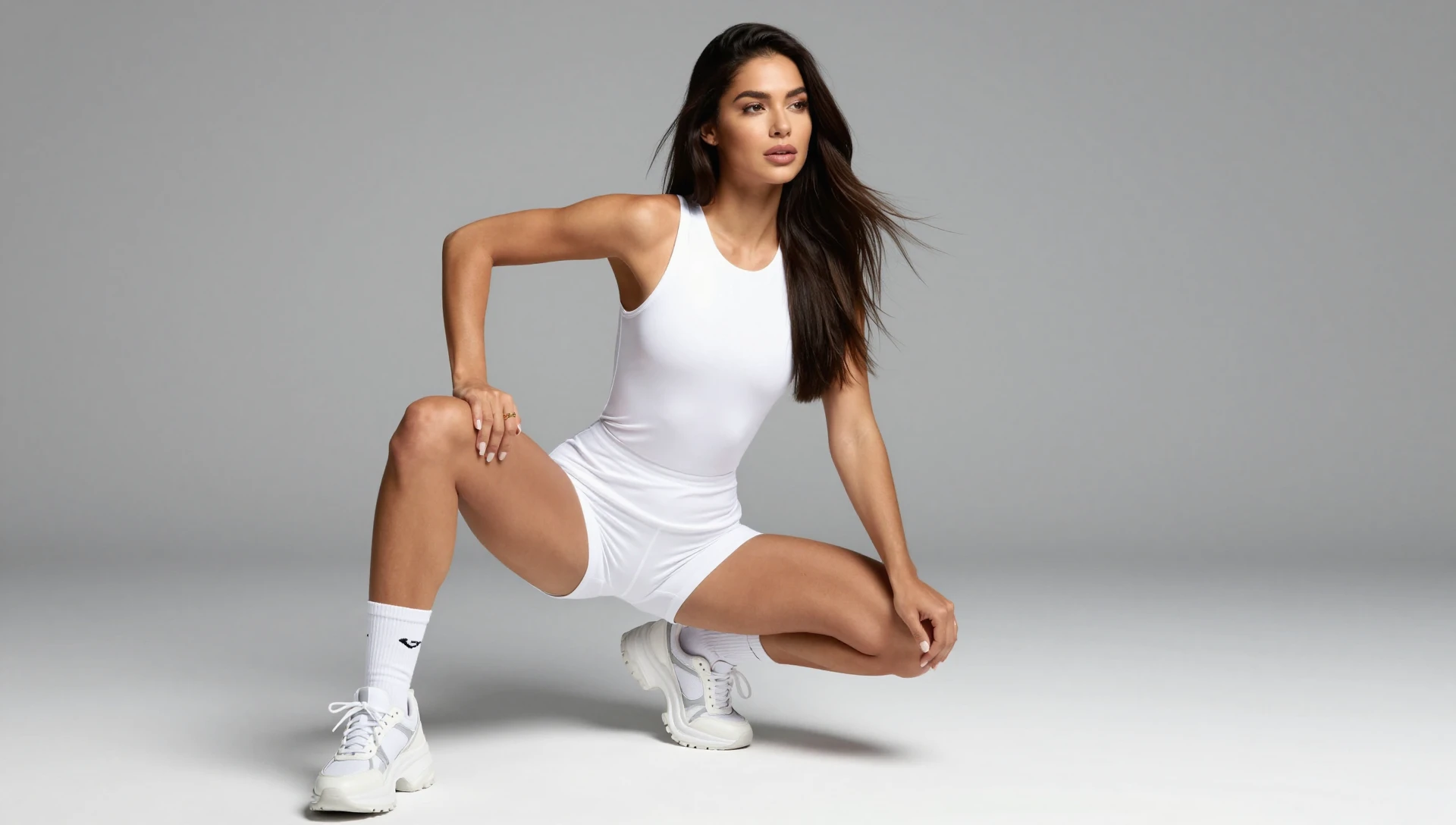
In 2026, realistic AI images from Imagera resolve fine detail like skin pores, fabric weave, and natural lens depth-of-field, exporting at 4K and upscaling to 8K. Most prompts finish in under a minute, and with 100+ style and lighting controls plus reference-photo conditioning, a single subject can be rendered across dozens of angles that read as one continuous studio shoot.
2.What makes an AI photo look real instead of obviously generated?
Realism hinges on three things Imagera controls: accurate physical lighting, consistent lens optics, and clean high-resolution texture at 4K-to-8K. Viewers most often spot AI images by inspecting hands, teeth, and background text, so Imagera's editing pass lets you fix those regions in under a minute before export. A typical realistic render starts at just a few credits.
3.What Does "Photorealistic" Actually Mean in 2026?
The word gets overused, so let us be precise. A photorealistic AI image is not just a sharp, high-resolution image. It is an image that carries the physical and optical characteristics of a genuine photograph — the kind produced by a real camera with a real lens under real lighting conditions.
Commercial workflows, stock platforms, ad networks, and professional creative teams evaluate images against these characteristics whether consciously or through automated quality review. The question being asked is not "does this look like a painting?" — it is "does this carry the visual signature of a real imaging device?"
As of mid-2026, the most common quality signals evaluated in professional and commercial contexts include:
- Camera sensor noise patterns — real sensors produce structured, channel-specific noise that is spatially correlated in characteristic ways
- Lens optical signatures — vignetting, chromatic aberration, and focus falloff patterns specific to real optical systems
- Compression artifact structure — JPEG and HEIF capture leave quantization artifacts tied to real camera firmware and codec pipelines
- Color science and dynamic range — real sensors respond to light in ways that differ measurably between manufacturers (Sony, Canon, Fujifilm)
- Metadata integrity — professional workflows examine EXIF and IPTC data for consistency with real capture conditions
Standard AI generators produce images that are statistically plausible but physically synthetic. They lack the specific fingerprint of a real camera system — and that is precisely what fails in demanding professional contexts.
4.Why Standard Generators Fall Short for Professional Use
Midjourney, DALL-E 3, and Stable Diffusion produce images by predicting pixel distributions from training data. They are exceptionally good at generating plausible visuals. But plausible is not the same as authentic.
Standard generators fall short because:
- They produce statistically uniform noise where cameras produce structured, channel-specific noise
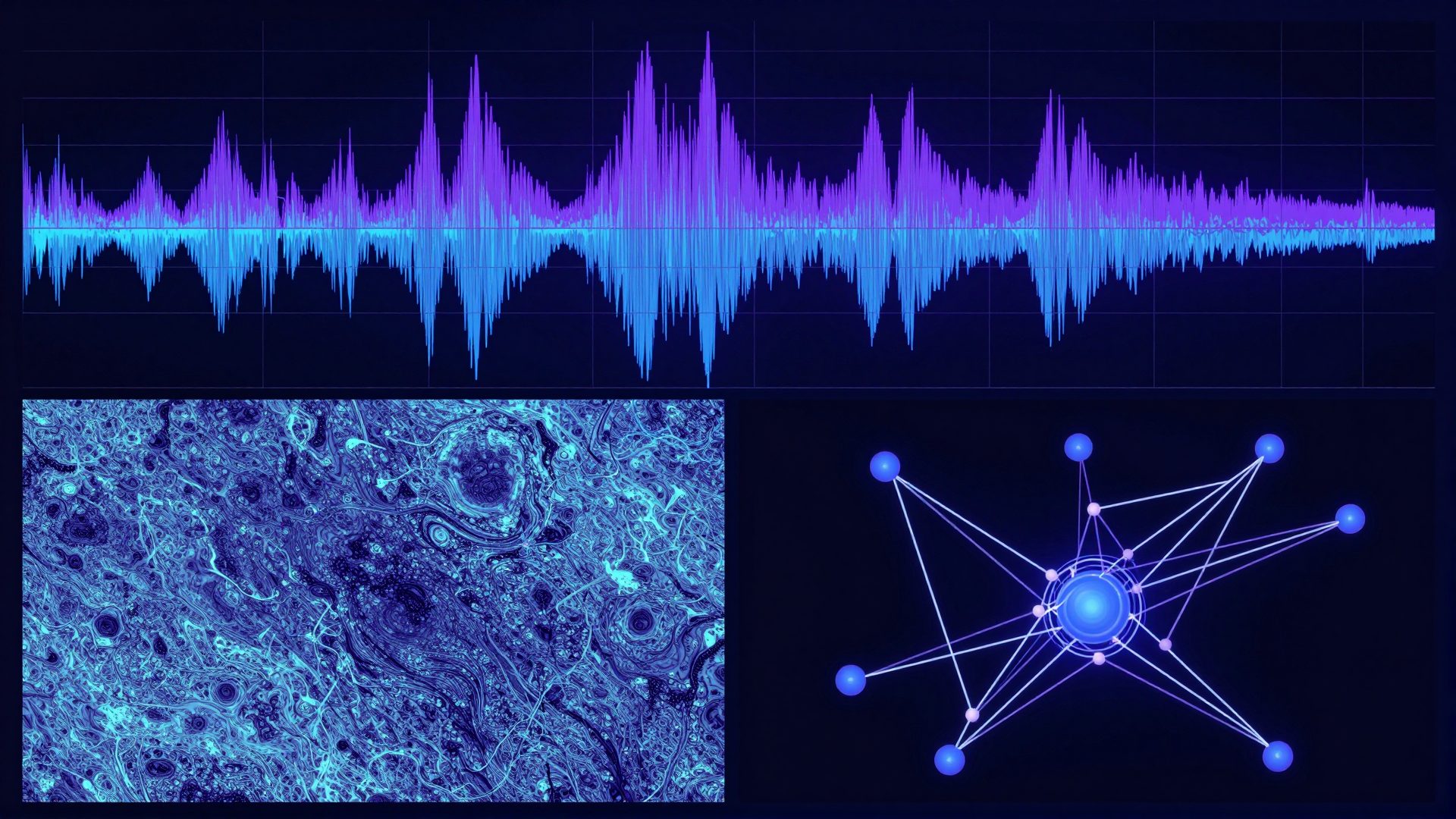
- Frequency domain analysis reveals patterns consistent with diffusion model outputs rather than optical capture
- Compression artifacts are either absent or synthetic — not characteristic of a real codec pipeline
- Color space transitions are smooth in ways that do not match real sensor response curves
- Lens characteristics (aberration, bokeh falloff, vignetting) are approximated aesthetically rather than modeled physically
The result: Midjourney and DALL-E images fail quality review in professional stock, advertising, and editorial contexts at high rates in 2026. That rate does not improve meaningfully from prompt engineering alone. The issue is architectural — the pipeline was not designed to produce camera-native output.
For clients who need imagery that holds up to professional scrutiny — stock platform review, ad network quality gates, agency creative review, or enterprise brand standards — standard generators create a productivity problem. You generate at scale and then discover a significant portion of the output is not commercially usable.
5.The Camera-Native Approach: How Imagera Is Different
Imagera's realistic AI image generator was designed to produce images with real camera characteristics built into the generation pipeline — not applied as a post-processing layer, but as part of how the image is made.
The approach involves:
Authentic sensor noise modeling. Each output is seeded with noise patterns modeled on real-world camera sensor behavior, including channel-specific variance and spatial correlation that matches known imaging hardware signatures. The result looks like an image captured on real hardware, not generated by a diffusion model.
Real compression codec simulation. Images are passed through codec pipelines that reproduce the artifact structure of genuine JPEG or HEIF capture — including quantization table patterns specific to real camera firmware. This makes the image structurally consistent with professional photography workflows that examine file-level characteristics.
Lens and optical system profiling. Vignetting, chromatic aberration, and color response curves are applied based on real optical system profiles. Bokeh character, focus falloff, and depth rendering reflect real lens behavior rather than aesthetic approximations.
Metadata integrity. EXIF data is structured to reflect realistic capture conditions — focal length, aperture, ISO, white balance — producing metadata that is consistent with real photographic practice.
The goal is to produce commercially usable images that carry the same physical signatures as photographs — because that is what professional creative workflows, stock platforms, and commercial clients are designed to evaluate.
For a step-by-step walkthrough of the technique, read the making AI photos look real guide.
6.Generator Comparison: Realism Quality, Professional Output, and Price
| Generator | Realism Approach | Professional Output Quality | Starting Price |
|---|---|---|---|
| Imagera Realistic Generator | Camera-native pipeline: sensor noise modeling, codec simulation, optical system profiling | High — passes professional creative review, stock platform quality gates | From $19.99/mo |
| Midjourney v7 | Aesthetic optimization; no camera-native layer | Moderate — visually impressive but lacks photographic physical signatures | From $10/mo |
| DALL-E 3 (via ChatGPT) | Quality and instruction-following focus; no authenticity layer | Moderate — strong for illustration, weaker for photorealistic commercial use | From $20/mo |
| Stable Diffusion (self-hosted) | Open-weight; some ControlNet workflows improve realism | Variable — inconsistent without post-processing; high time cost per image | Free (compute costs apply) |
| Manual SD + post-processing | Manual noise addition, sharpening, recompression | Variable — inconsistent across images and output formats | Time-intensive; tool costs vary |
What the table does not show: photorealism quality requirements differ by use case. A social media lifestyle shot has different standards than a Getty stock submission or a luxury brand campaign. Imagera publishes example outputs for specific commercial use cases rather than relying on a single quality claim.
7.Real Commercial Use Cases in 2026
7.1Stock Photography
Getty Images, Adobe Stock, and Shutterstock have integrated quality review that evaluates photographic authenticity in submissions. Images lacking real photographic characteristics — camera noise, optical signatures, authentic color science — are rejected or flagged for manual review. Adobe Stock accepts AI-generated images with proper disclosure. Getty Images applies stricter photographic quality standards.
For contributors building stock libraries at scale, the difference between a camera-native generation pipeline and a standard diffusion output is the difference between a scalable workflow and a rejection rate that makes the economics unworkable. The $19.99/month Starter plan makes this accessible for individual contributors.
7.2E-commerce Product Photography
Amazon, TikTok Shop, and direct-to-consumer platforms apply quality review to listing imagery. Lifestyle shots, background composites, and product-in-context images need to look like professional photography — not rendered graphics — to pass quality review and convert buyers.
Authenticity-optimized images, particularly those combining real product photography with AI-generated environments, perform better across both quality review and conversion testing. The Imagera Pro plan at $19.99/month includes the full camera-native pipeline with batch generation, making it practical for product catalog production at e-commerce scale.
7.3LinkedIn and Professional Headshots
Professional networks and enterprise hiring workflows evaluate headshot quality as a proxy for professional standards. A polished, photographically authentic portrait produced from a real photograph using AI enhancement — natural skin texture, realistic catchlights, authentic depth of field — reads as professional. An obviously synthetic output does not.
Legitimate use here is producing professional-quality enhancement of real photographs, not fabricating identities. Imagera's approach to this workflow is covered in depth in the making AI photos look real guide.
7.4Digital Advertising
Facebook and Google display networks apply automated quality review to ad creative. Brands producing ad creative at scale — particularly in fashion, beauty, and lifestyle categories — need images that read as authentic photography to perform well in both automated review and audience engagement.
Photorealistic AI-generated imagery produced with a camera-native pipeline performs closer to real photography in campaign testing. Standard diffusion outputs, which lack photographic physical signatures, tend to underperform in contexts where audiences are evaluating authenticity signals.
8.The Quality and Ethics Frame
This is worth stating plainly. Photorealism describes a technical quality standard for an image, not an intent to misrepresent.
There are fully legitimate reasons to need images that carry real photographic quality characteristics:
- Commercial workflow requirements: Stock platforms, ad networks, and enterprise brand guidelines were designed around photographic inputs. Outputs that lack photographic characteristics fail in those workflows even when the use is entirely legal and appropriate.
- Commercial rights: You own the output of a generator you are licensed to use. Producing high-quality, photorealistic commercial imagery is a legitimate creative and business activity.
- Platform quality standards: Meeting a platform's quality review requirements is not misrepresentation — it is producing content that meets the standard the platform has set for professional imagery.
What falls outside legitimate use: using AI-generated images to impersonate real people, fabricate identities, produce misleading representations of public figures, or submit fraudulent documentation. Imagera's terms of service prohibit these uses directly.
For an overview of what other tools exist in this category and how they compare on realism quality, see the best tools to make AI images look real in 2026.
9.How to Get Started with Imagera's Realistic AI Image Generator
The practical path is straightforward:
- Go to Imagera's realistic AI image generator — the generator built specifically for camera-native, photorealistic output
- Start on the $19.99/month Starter plan for individual projects or portfolio building
- Upgrade to Pro at $49.99/month for batch generation, higher resolution output, and the full camera-native authenticity pipeline
- Evaluate outputs against the quality standards of your specific workflow — stock platform, ad network, client brief, or internal brand guide — before committing to production volume
Photorealism standards differ across contexts. The responsible workflow tests outputs against the specific quality requirements of your intended use, not a generic benchmark.
For technique-level guidance on specific image types, see the guide to making AI art look like real photography for illustrated and digital art workflows.
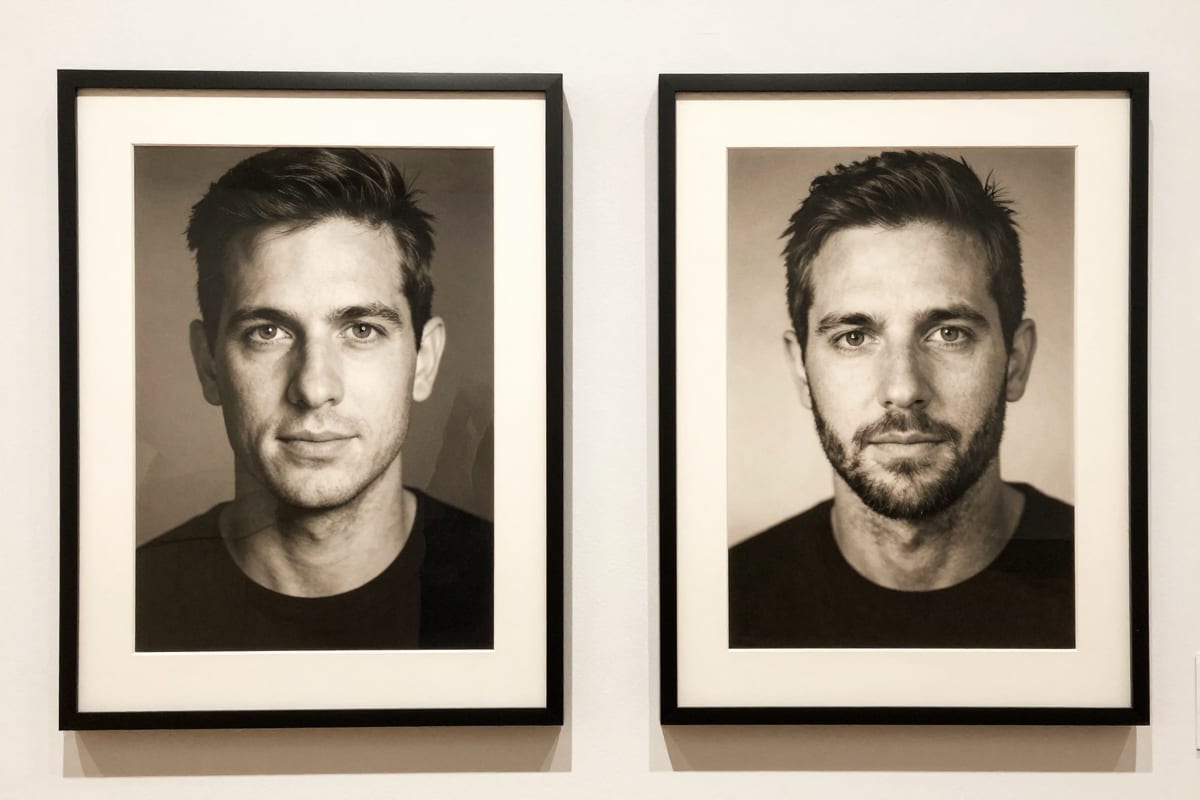
10.See it in action — real Imagera output
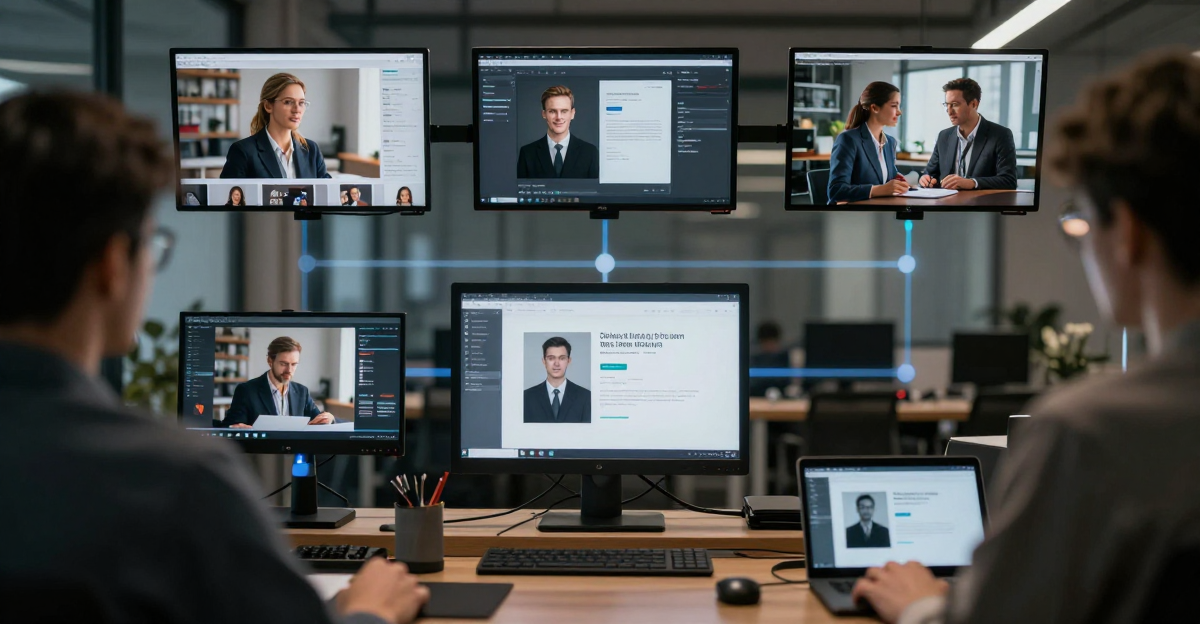
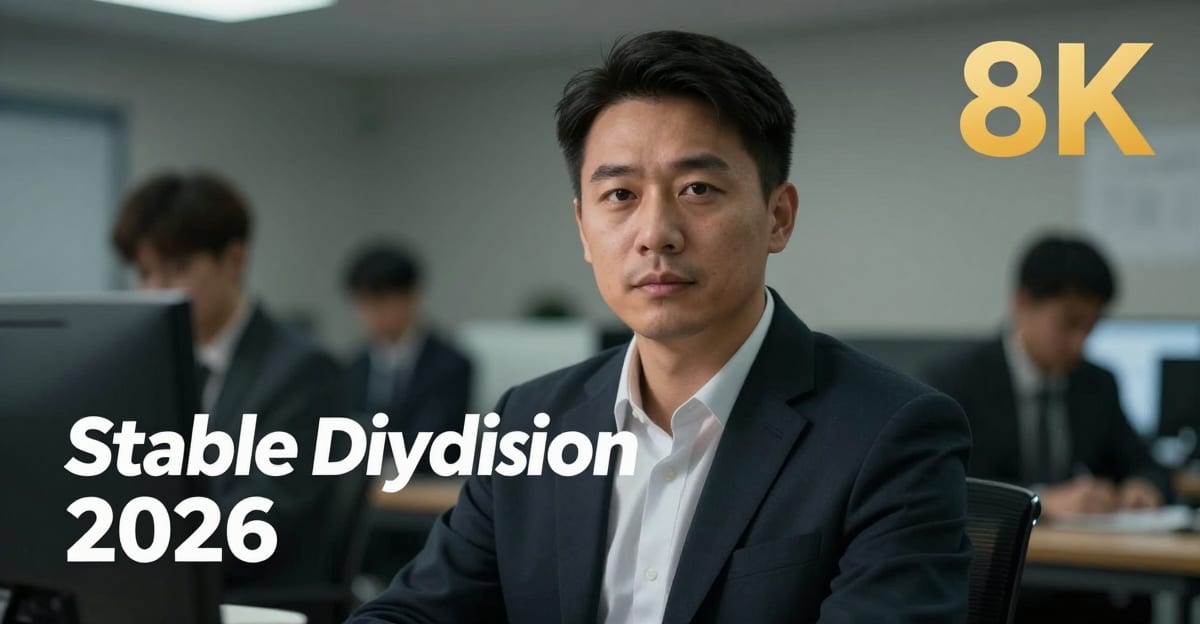
These are real, unedited results from the Imagera image generator — the exact tool this guide covers.