 Illustration
By the numbers
What the boards stand on.
- Image models
- Models
- 22
- Prompts
- 30
- Real outputs
- 660
- Judge verdicts
- 12,000
- People votes
- 0
- Video models
- Models
- 10
- Prompts
- 6
- Real outputs
- 60
- Judge verdicts
- 540
- People votes
- 0
- Image editing
- Models
- 19
- Prompts
- 8
- Real outputs
- 152
- Judge verdicts
- 2,736
- People votes
- 0
Step by step
From a prompt to a rank.
Same prompts, real runs
Every model renders the same 44 prompts through Imagera itself, at the settings its card opens with. Clips are asked for at 5 seconds. Nothing is retouched or picked: a run that fails counts in the model's failed-runs figure.
Who competes
Image: every general text-to-image model on Imagera released in the last 15 months. Image editing: every image editing model released in the same window, each given the same input photo and instruction. Video: the 10 text-to-video models people run most on Imagera. Style presets and vector-only variants are left out. New models join at the next benchmark run.
Blind pairs
You see two outputs of one prompt with no names, re-framed to one size. A vote counts once per pair per visitor, only on a pair we served you, after the pair has been on screen for a moment, and up to 100 votes a day.
The rating
All votes are fitted at once with a Bradley-Terry model and shown on the Elo scale, with each board's average at 1000. The bar's whiskers are a 95% bootstrap interval. A model is ranked after 30 votes in a board; a people's board ranks once 40 different visitors have voted on it.
The AI judge
Alongside people, an AI vision model judges every pair blind, twice, with the sides swapped, against the criteria below. Its verdicts are a separate board and are never mixed with people’s votes. The judge is a Gemini model, and Gemini models also compete on the video board: compare its board with people’s votes.
- Prompt adherence: every requested element is present and correct; when text is requested, it is spelled exactly as written in the prompt.
- Image quality: fine detail, correct anatomy and hands, no artifacts, warping or smearing.
- Composition and lighting: framing, balance and light that suit the brief.
Speed and price
Median time is measured from submit to result on our own runs. The table’s price is the model’s card price at its default settings today; each output in the gallery shows what that run was charged (our runs used the faster lane, which can cost more).
Reading a score
How to read a rating.
Relative, not absolute
A rating says how a model does against the other models on the same board. Each board's average is 1000; 100 points apart means the higher model wins about 64% of blind pairs.
Overlap means not settled
When two models’ 95% intervals overlap, the board does not say one beats the other, and the page says “within the margin” instead of “leads”.
Never across boards
An image rating and a video rating come from different prompts and different opponents: compare models within one board, never between boards.
Categories are their own boards
A model that wins product shots can lose on posters: each category is fitted from its own prompts only.
What is judged
The criteria, board by board.
Image models
- Prompt adherence: every requested element is present and correct; when text is requested, it is spelled exactly as written in the prompt.
- Image quality: fine detail, correct anatomy and hands, no artifacts, warping or smearing.
- Composition and lighting: framing, balance and light that suit the brief.
Video models
- Prompt adherence: every requested element is present and correct; when text is requested, it is spelled exactly as written in the prompt.
- Image quality: fine detail, correct anatomy and hands, no artifacts, warping or smearing.
- Composition and lighting: framing, balance and light that suit the brief.
- Motion quality and temporal consistency: natural, physically plausible motion; people, objects and style stay the same from frame to frame, with no flicker or morphing.
Image editing
- Instruction adherence: every requested change is made; when text is requested, it is spelled exactly as written in the instruction.
- Preservation: what the instruction did not ask to change stays as in the INPUT photo — the same face and identity, the same product, the same composition.
- Image quality: fine detail, correct anatomy and hands, no artifacts, warping or smearing.
- Realism of the edit: new parts match the light, perspective and edges of the rest of the picture.
Rules
The rules in numbers.
| Votes a model needs in a board before it is ranked | 30 |
|---|---|
| Different visitors a people's board needs before it ranks anyone | 40 |
| Bootstrap resamples behind each 95% interval | 200 |
| Every board's average rating | 1,000 |
| Seconds every video model is asked for | 5 |
| Votes a visitor can cast a day | 100 |
| Minutes between refits of every board | 10 |
| Time a pair on the image board is on screen before a vote counts | 2.5 s |
| Time a pair on the video board is on screen before a vote counts | 6.0 s |
| Time a pair on the image editing board is on screen before a vote counts | 3.0 s |
Limits
What the ratings do not cover.
- Settings beyond each model’s defaults: a model may do better with tuning, a longer prompt or a seed search.
- Features the prompts do not ask for: reference images, audio, very long clips, batch runs.
- Cost at every setting: the card price is the default setting’s price today; a run at other settings costs what its card says then.
- Taste outside the prompt set: the boards measure these prompts, chosen to cover common commercial jobs, not every use.
Disclosure
Who runs the arena.
Imagera runs this arena and sells runs of every model on it, including models that carry Imagera names. That is why every output is our own unedited run at the model’s default settings, every model gets the same prompts, names are hidden in every vote, the judge’s family is named, and every output, vote count and interval is public on the boards.
Questions
Methodology FAQ.
Why blind pairs instead of scores?
Choosing the better of two pictures is easier and more consistent than scoring one on a scale, and hiding the names keeps brand reputation out of the vote.
Why a Bradley-Terry model and not running Elo?
Running Elo depends on the order votes arrive in; fitting all votes at once does not, so the same votes always give the same board. The result is shown on the familiar Elo scale.
What does the 95% interval mean?
It is the range the rating falls in across 200 resamples of the prompts. When two models' intervals overlap, the board does not say one beats the other.
Why is there an AI judge?
People take time to cover every pair; the AI judge compares every pair blind, twice with the sides swapped, so a board has a ranking from day one. Its verdicts are a separate board and never mixed with people’s votes.
Can a model provider game the board?
The outputs are our own runs at the model’s default settings, every run is shown (failed runs included), names are hidden in the vote, and each visitor’s votes are capped.
The boards
See the rankings.
Each board has its own page: the full table, the price chart, every category and every output.
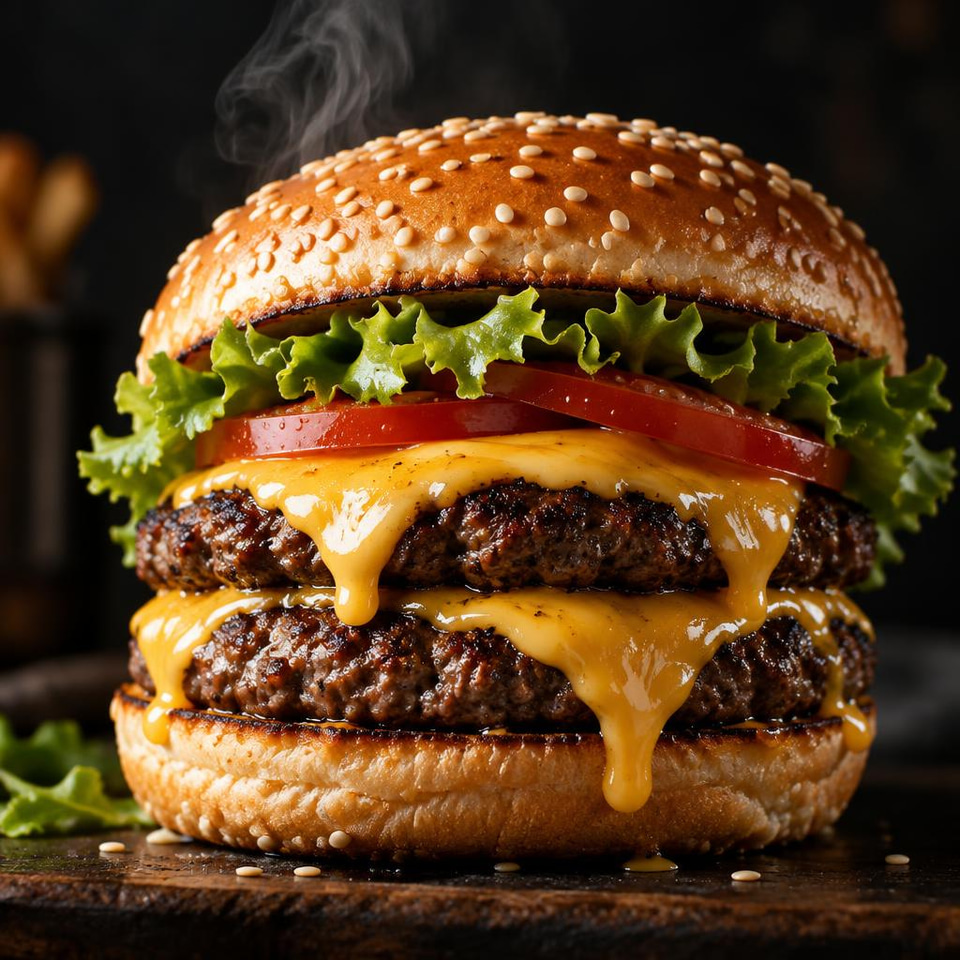 Real outputAI image model leaderboard.
- 1ChatGPT 2.5 Flare
- 2GPT Image 2
- 3ChatGPT 2.5 Sunburst
 Real outputAI video model leaderboard.
- 1Gemini Omni Flash 1.1
- 2Imagera Warlord
- 3Imagera Warlord Pro
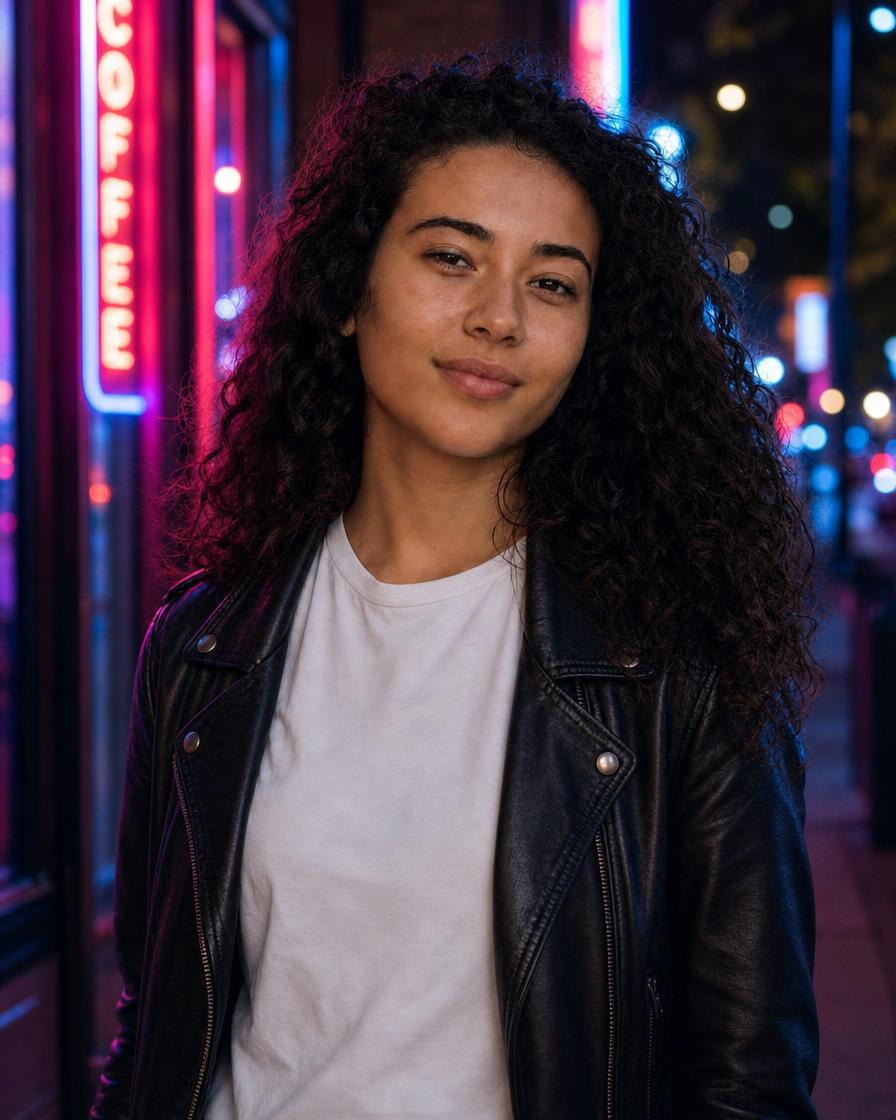 Real outputAI image editing leaderboard.
- 1Precise Edit
- 2Muse Image Edit
- 3Seedream 5 Flash Edit
 Illustration