Create Your Own AI Influencer
Generate a virtual creator or train your own face, then produce consistent photos and reels for TikTok, Instagram, and YouTube — a brand-safe influencer you fully own.
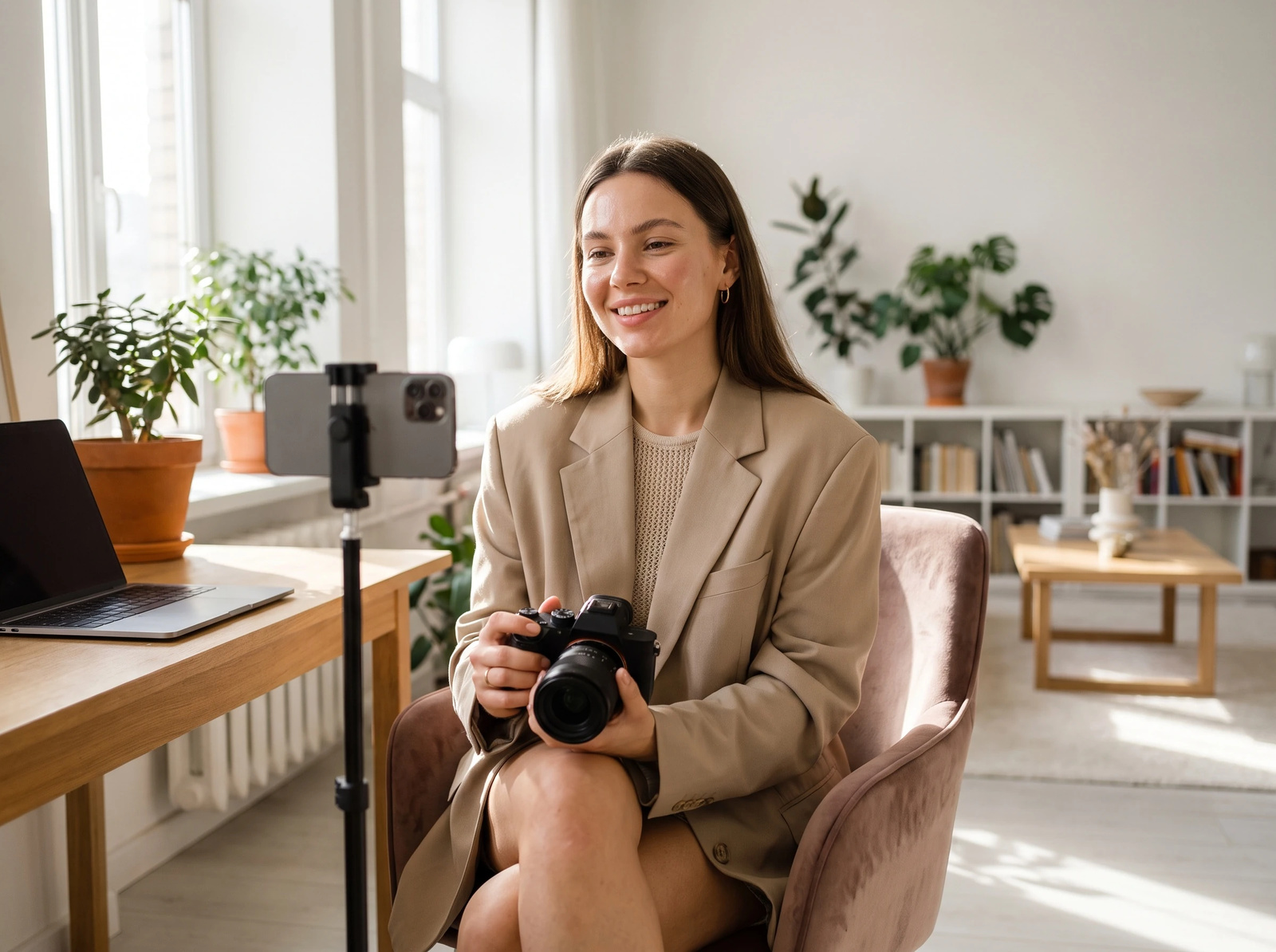
How do I create a consistent AI influencer face?
An AI influencer generator creates a reusable digital face identity so every new photo stays consistent for social and brand content. Train or create an identity once on Imagera, then generate endless on-brand photos that keep the same face across outfits and scenes for social and ads.
- Input
- None, or 10–30 photos to train a face
- Output
- On-model photos and vertical reels
- Credits
- Packs from 350 for $39.99
Updated August 25, 2026
Cite this page: https://imagera.ai/ai-influencer-generator
 Illustration
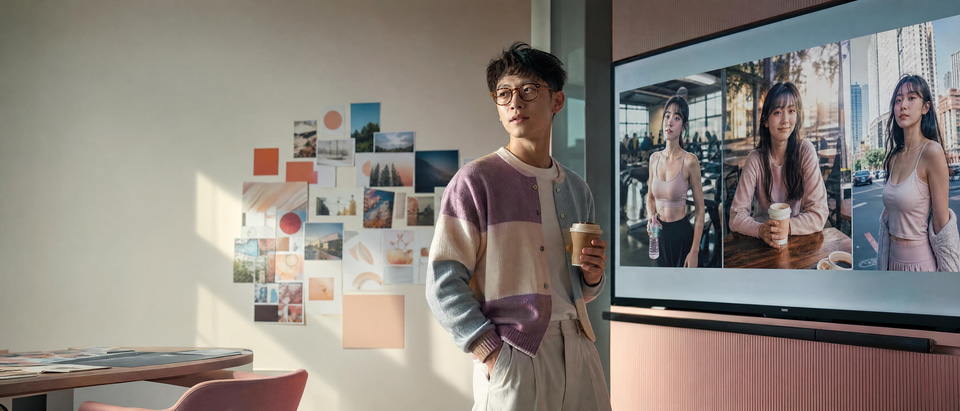
From a first face to a posting schedule
Lock the identity
Generate a character or train a real face once. This single step is what every future post reuses.
Know more →Batch your scenes
Prompt a week of looks in one sitting — outfits, locations, moods — all on the same consistent face.
Know more →Animate & schedule
Turn standout stills into reels, then post photos and video on a steady cadence without a camera.
Know more →Everything to Build a Virtual Creator
From a first face to a full posting schedule — generate, keep consistent, animate, and monetise.
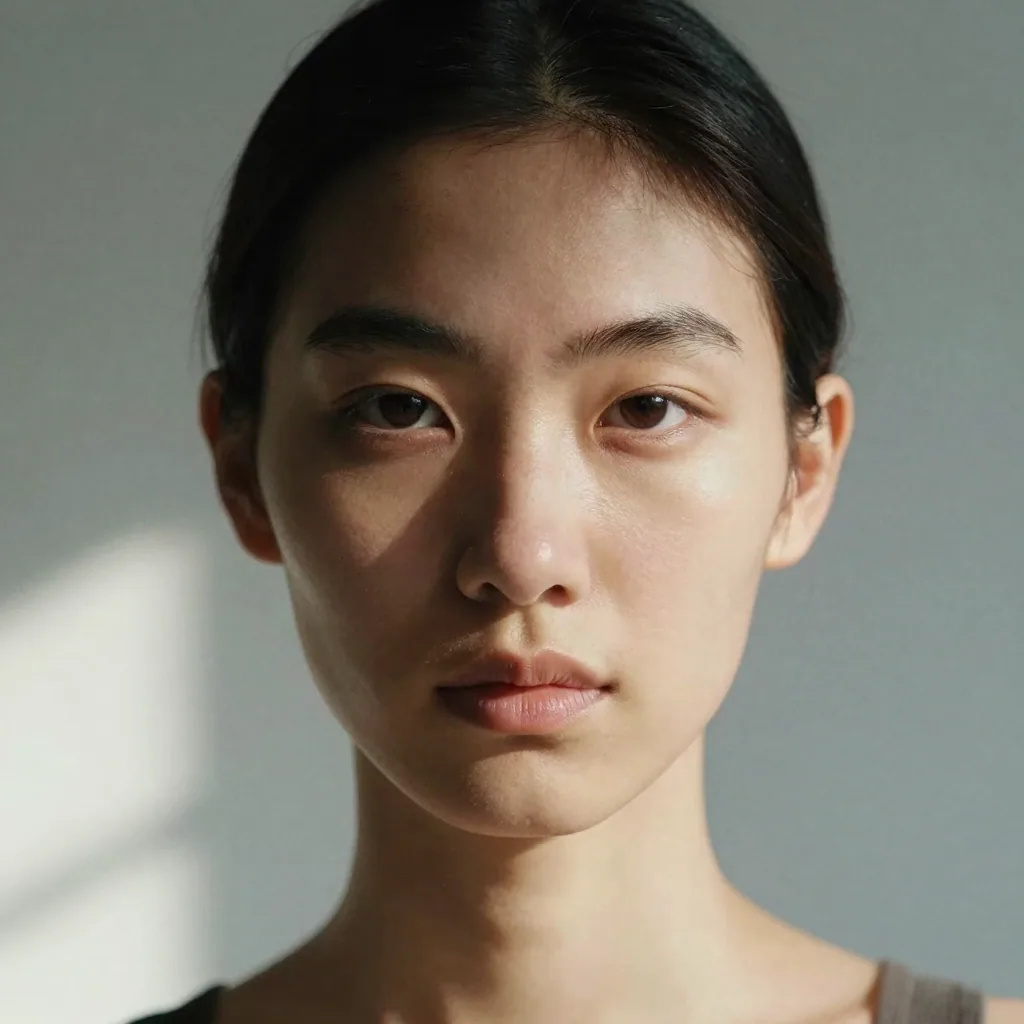
Should I generate a virtual character or train my own face?
Both give you a reusable, consistent AI influencer — the right path depends on whether you want a real person or a fictional persona. Generating a character is instant and needs no photos: you pick gender, age, ethnicity, and style, then lock that look as a permanent identity, which is ideal for a faceless brand or a virtual creator you own outright. Training uses 10–30 photos of a real model or spokesperson so the AI learns their actual face. Many creators start with a generated character to move fast, then train a real face later once the concept proves out.
Try it now →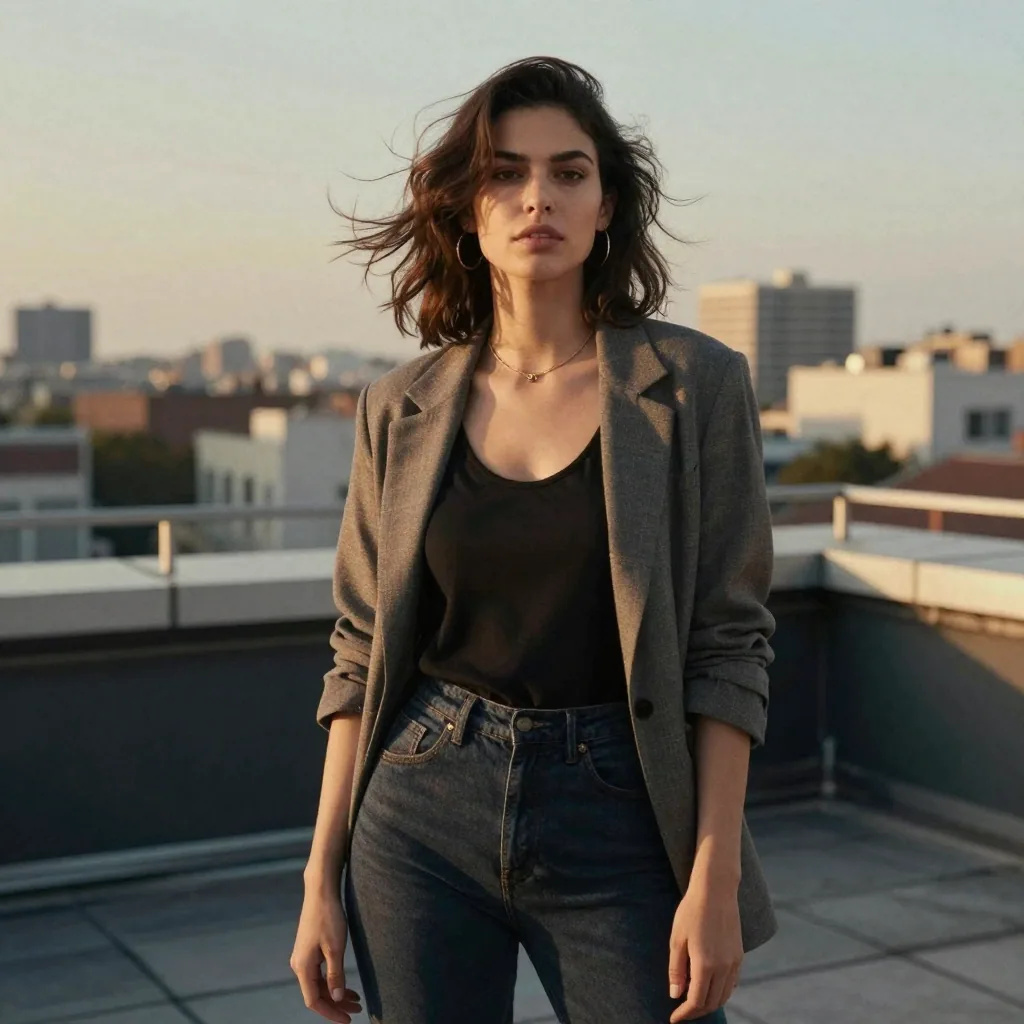
What can you actually post with an AI influencer — photos, reels, or brand ads?
All three, from one identity. Start with on-model photos for a believable feed, animate the best ones into vertical reels for TikTok, Instagram, and YouTube Shorts, then place your virtual model in your own products for e-commerce and ad content. Because the same studio covers photos, video, and product shots, your AI influencer can maintain a full content calendar without a photographer, studio, or crew. On-model photos: Generate the trained identity in any scene, outfit, or pose from a text prompt — best for a believable, always-on feed. Vertical reels: Animate a still into a short video with reel templates and video models — best for tikTok, Reels, Shorts reach. Product & try-on: Style transfer places your clothing or product on the AI model — best for e-commerce listings and ads. Brand-deal creative: Generate sponsored looks on the same identity — full commercial rights — best for paid partnerships at scale.
Try it now →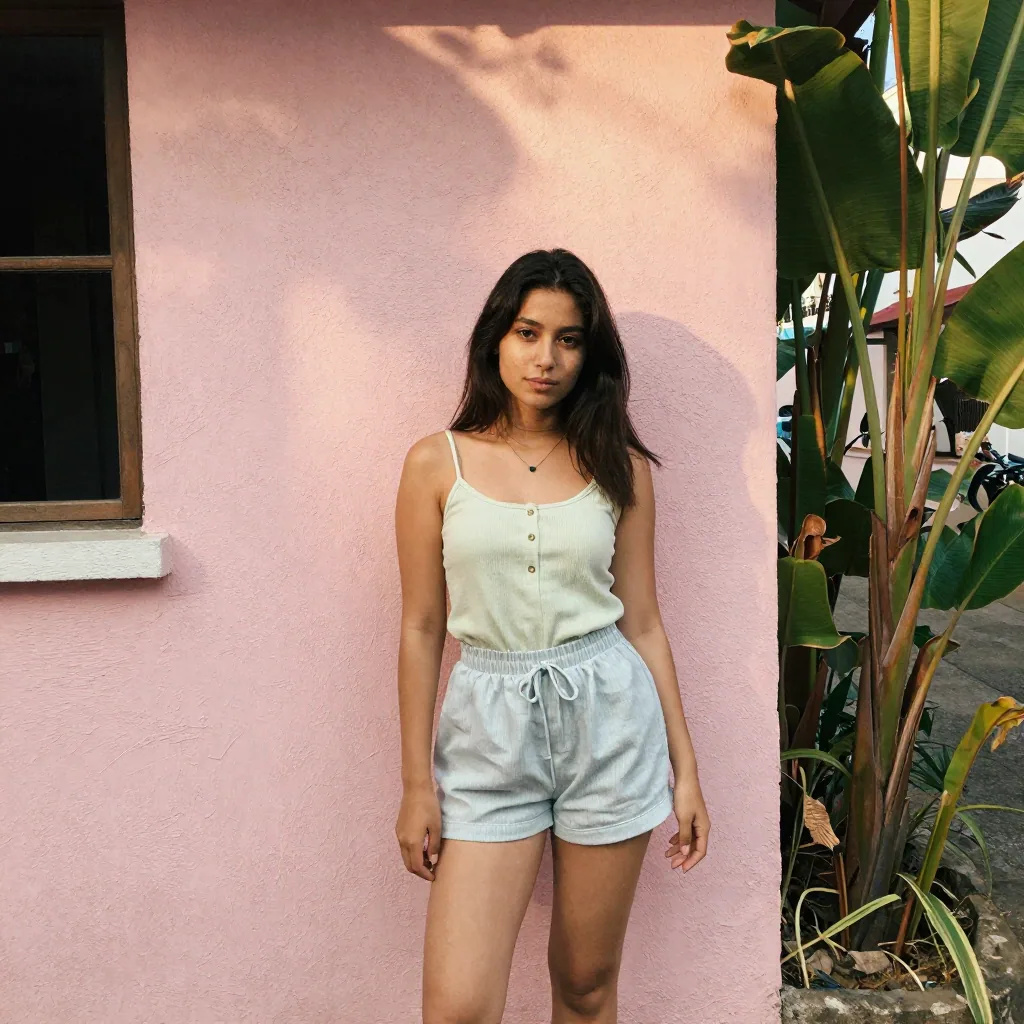
Can a clothing or product brand replace photoshoots with an AI influencer?
Yes — this is one of the highest-value uses. Instead of booking a model, studio, and photographer for every drop, generate a consistent AI model once and reuse it across seasons. Use style transfer and product content tools to put your items on that model for listings, ads, and social posts, then re-shoot a new colourway in minutes rather than days. Every output ships with full commercial rights, so it goes straight onto your store or into a paid campaign. Monetisation follows the same routes human creators use — brand sponsorships, affiliate content, product promotion, and your own store — with one structural advantage: an AI influencer can post daily without a location or crew, so you scale content output without scaling production cost. If your goal is UGC-style product ads specifically, the AI UGC product ads workflow pairs well with a trained influencer identity. Faceless brand persona: Build a virtual spokesperson you own outright — no talent contracts, no likeness disputes, no re-negotiation for new campaigns. Seasonal drops on demand: Re-dress the same model for every new collection instead of re-booking a shoot, keeping a consistent brand face across the whole catalogue. Ads that keep the same star: Run paid social with a recognisable creator across every ad set — recognition compounds when the face never changes.
Try it now →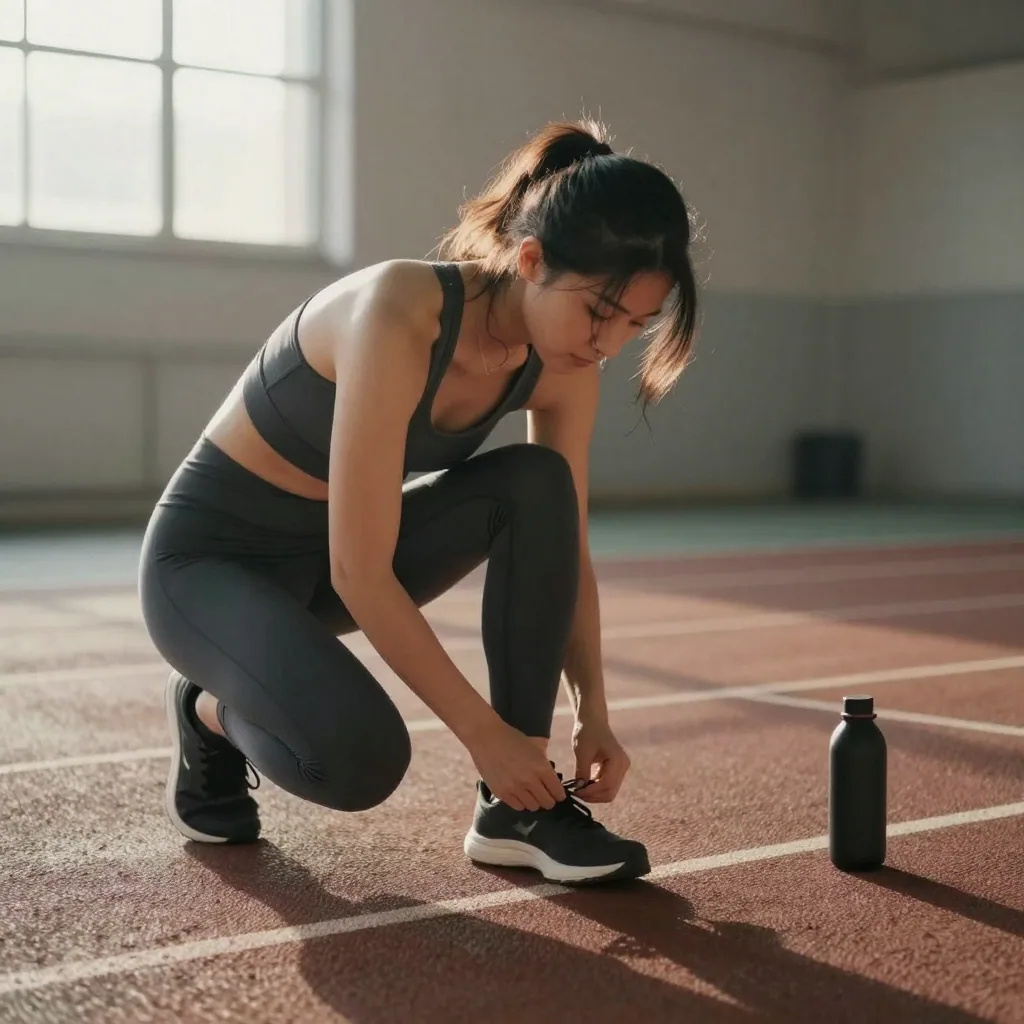
How long does it take to launch a first AI influencer?
If you generate a character, your first believable post can be minutes away — pick the look, lock the identity, and start generating on-model photos immediately. If you train a real face, a short training run comes first, after which you generate unlimited images of that identity forever. From there, building out a feed is a repeatable loop rather than a fresh photoshoot each time: prompt a new scene, generate, animate the best frames into a reel, and post. The slow, expensive part of influencer content — booking a model, a studio, and a photographer for every single post — is exactly what the studio removes.
Try it now →How do you keep an AI influencer's face identical in every photo?
Face consistency is what separates a believable AI influencer from a folder of random portraits, and it is the exact problem Imagera is built to solve. You lock in one identity — either a generated character or a face trained from 10–30 photos — and every future image reuses that same trained identity. So the person in a beach shot, a studio portrait, and a coffee-shop reel is recognisably the same creator, not a slightly different face each time. One trained identity, endless scenes: After training, generate the same face in any outfit, pose, lighting, or location with a text prompt. Style transfer and pose control operate on that locked identity, so the look never drifts between posts. Fictional or real — both stay consistent: Generate a brand-new virtual face for a faceless persona, or train on a real model or spokesperson. Either path produces a reusable identity you fully own and can post daily without a camera.
Why teams choose Imagera
Speed: Browser studio — generate when you need it, where the typical alternative is desktop installs, queues, or studio bookings. Pricing: Credit-based — pay when you create, where the typical alternative is annual seats you may not fully use. Workflow: Connected Imagera suite for the full job, where the typical alternative is one narrow tool, many tabs.
How to Create an AI Influencer
Lock one identity, generate content on it, then animate and post.
Generate or Train Your Influencer
Generate a brand-new virtual face (choose gender, age, ethnicity, style) or upload 10–30 photos to train a real person or mascot into a consistent AI model.
Create Consistent Photos
Generate unlimited on-model images of your influencer in any scene, outfit, or pose with text prompts, style transfer, and pose control — the same identity every time.
Animate and Post
Turn the best images into vertical reels for TikTok, Instagram Reels, and YouTube Shorts, then post and monetise a creator you fully own.
What you can do with it
Generate a Character
Design a brand-new virtual face — pick gender, age, ethnicity, and style. No photos of a real person required.
Or Train Your Own Face
Upload 10–30 photos and train a model of yourself (or a model/mascot). The AI learns one identity to reuse forever.
Consistent Photos
Generate unlimited on-model photos — same face, any outfit, pose, or setting — for a believable feed.
Animate Into Reels
Turn your AI influencer into vertical video reels for TikTok, Instagram Reels, and YouTube Shorts.
Product & Brand Content
Put your AI model in your products — clothing try-ons, brand shoots, and e-commerce ads at a fraction of a real photoshoot.
Post & Monetize
Build a faceless, brand-safe creator you fully own — grow a following, sign brand deals, and use every image commercially.
Discover more AI features
Pro LoRA Generator
For advanced users — bring your own LoRA for a consistent style or character.
Lipsync Studio
No camera, no shoot, no retakes — a photo and a voice note become a video of that person saying it, or a clip you already shot says something new.
 Illustration
Creator program
Run an AI influencer account? Post what you make with your link and earn 30% of what each customer you refer pays for 12 months
AI Influencer Generator
Create a consistent virtual influencer — generate a face or train yours, then make photos and reels
LoRA Trainer
Train custom AI models on your own images
AI Influencer Generator — FAQ
What is an AI influencer generator?
An AI influencer generator is a tool that creates a virtual social-media creator — a consistent, photorealistic character you can place in any scene, outfit, or video. With Imagera you either generate a brand-new AI face from scratch or train a model on real photos, then produce unlimited on-model photos and reels for TikTok, Instagram, and YouTube. The key word is consistent: the same identity appears across every post, which is what makes a believable AI influencer.
How do I create an AI influencer?
Three steps in Imagera: (1) Generate a character — choose gender, age, ethnicity, and style — or train your own face by uploading 10–30 photos. (2) Generate consistent photos of that identity in any scenario using text prompts, plus style transfer and pose control. (3) Animate the best images into vertical reels and post them. The whole first influencer can be created in a few minutes, with no photographer or studio.
Is there a free AI influencer generator?
Imagera offers free tools (like the image upscaler and background remover) so you can test quality, then uses pay-per-use credits — no forced subscription — for character generation and training. Fully free, unlimited AI influencer generation is not realistic because each image and video uses real GPU time. Imagera keeps the entry low and your pay-as-you-go top-up credits never expire, so you only pay for what you actually create (or subscribe with plans from $19.99/mo for the best per-credit rate).
How do I keep my AI influencer's face consistent across posts?
Consistency is the hard part of AI influencers, and it's exactly what Imagera is built for. When you train a model of a face (or lock in a generated character), that identity is reused across every generation — so the same person shows up in every photo and reel, not a slightly different face each time. Style transfer, pose control, and face swap all operate on that one trained identity to keep it recognisable everywhere.
Can I create an AI influencer for my clothing or product brand?
Yes. Many brands generate an AI model to wear their clothing or showcase products — it replaces expensive, repeated photoshoots. Generate a consistent virtual model, then use style transfer and product content tools to place your items on that model for e-commerce listings, ads, and social posts. Every output includes full commercial rights.
Can AI influencers make videos and reels, not just photos?
Yes. After you have consistent images of your AI influencer, you can animate them into vertical video reels for TikTok, Instagram Reels, and YouTube Shorts. Imagera combines the influencer studio with reel templates and multiple video models, so your virtual creator can post video content, not just static photos.
Can I make money with an AI influencer?
Creators monetise AI influencers through brand sponsorships, affiliate content, product promotion, and their own store — the same ways human creators do. Because you fully own the character and every output carries commercial rights, you're free to use your AI influencer in paid partnerships and ads. The advantage is scale: one AI influencer can post daily without a camera, location, or crew.
Do I need photos of a real person to create an AI influencer?
No. You can generate a completely fictional AI character from scratch — choose the look and lock it in as a consistent identity. That's ideal for a faceless brand or a virtual persona. If you'd rather feature a real person (yourself, a model, or a spokesperson), you can instead train on 10–30 of their photos. Both paths produce a reusable, consistent influencer.
Can I use AI influencer images and videos commercially?
Yes. Every image and video generated in Imagera includes full commercial licensing, so you can use your AI influencer on social media, in paid ads, on product listings, and in client and brand-deal work without usage restrictions.
What is the best AI influencer generator in 2026?
The best tool depends on whether you need one-off character images or a consistent, reusable influencer with video. Imagera stands out for identity consistency (train once, reuse everywhere), photos plus reels in one studio, product/e-commerce content, flexible pricing (pay-as-you-go credits that never expire, or an optional subscription), and full commercial rights. It's a strong pick for creators and brands who want to build a lasting virtual creator rather than random AI portraits.
How much does it cost to create and run an AI influencer?
Imagera is credit-based, not a flat monthly bill. You see the exact credit cost on each Generate button before you run it, credit packs start at 350 credits for $39.99, and pay-as-you-go top-up credits never expire. Training a face and generating photos and reels each cost credits because they use real GPU time, but you only pay for what you actually create. Heavy users can add an optional Starter subscription from $19.99/mo for a lower per-credit rate; casual creators stay on pure pay-as-you-go.
How many photos do I need to train an AI influencer face?
Between 10 and 30 clear photos of the same person, model, or mascot works well. Aim for varied angles, expressions, and lighting so the trained identity generalises to new scenes. If you would rather not use a real person at all, skip training entirely and generate a fictional character from scratch — you still get a single locked identity you can reuse across every post.
Is it legal to use an AI influencer for a real brand?
Yes, when you own or have rights to the source material. If you generate a fully fictional character, there is no real-person likeness involved and you hold full commercial rights to every output. If you train on a real person, get their consent first — the same rule as any photoshoot. Imagera never uses your uploads to train its models, and every image and video you generate carries commercial licensing for ads, listings, and client work.
Can I turn an existing AI influencer photo into a reel?
Yes. Once you have an on-model image of your influencer, animate it into a vertical video with the reel tools, then post it to TikTok, Instagram Reels, or YouTube Shorts. Because the reel starts from your trained identity, the creator on video is the same recognisable face as in your photo feed — see our guide on turning photos into reels for the full workflow.
How is an AI influencer different from a normal AI portrait generator?
A portrait generator gives you a different face every time. An AI influencer generator gives you the same face every time. That single difference — a reusable, consistent identity — is what makes it possible to build a following, run recognisable ad campaigns, and post daily as one persona. Imagera adds video, product try-ons, and full commercial rights on top of that consistent identity so the influencer is a working creator, not a one-off image.
Key takeaways
What does it create?
A consistent virtual influencer — the same face across unlimited photos and reels, not random AI portraits.
Do I need real photos?
No — generate a fictional character from scratch, or train a real face from 10–30 photos. Both give you a reusable identity.
Photos or video?
Both. Produce on-model photos, then animate them into vertical reels for TikTok, Instagram, and YouTube Shorts.
Can brands use it?
Yes — generate an AI model for clothing try-ons and product content, replacing repeated photoshoots.
Do I own the output?
Yes — full commercial rights on every image and video, with flexible pricing: pay-as-you-go credits that never expire, or an optional subscription.
Should I generate a virtual character or train my own face?
| Decision | Generate a character | Train a real face |
|---|---|---|
| Input needed | None — just pick the look | 10–30 photos of one person |
| Speed to first post | Minutes | A short training run, then unlimited |
| Best for | Faceless brand or virtual persona | Featuring a real model or yourself |
| Rights & ownership | Fully fictional — you own it outright | You own it; get the person's consent first |
Create your AI influencer
Open the Character Studio, design a face, and lock it as the identity every post reuses.
Create Your Influencer →