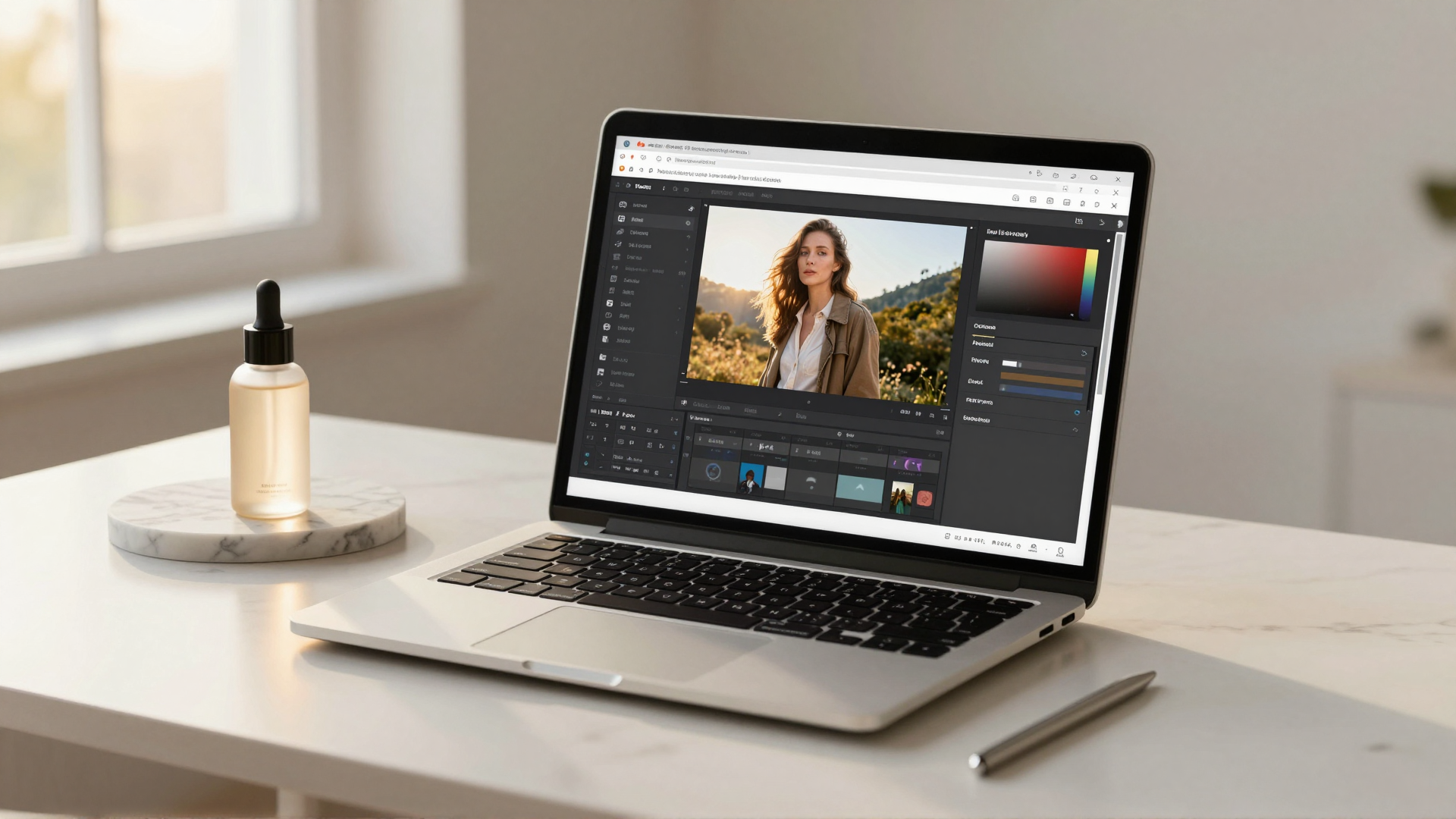
If you are searching for a Leonardo AI alternative, you are probably weighing one of two things: whether a monthly subscription and a daily token budget still fit how you actually generate images, or whether you want a lighter, pay-as-you-go option that does not tie you to a recurring plan. Leonardo AI is a genuinely capable platform. Since being acquired by Canva in mid-2024, it has grown into a broad creative studio with a real-time canvas, image guidance tools, custom model training, and a large library of fine-tuned and community models. For many creators it is more than enough, and this article does not pretend otherwise.
This comparison is written from the other side of that decision. Imagera is a browser-based AI image and finishing suite built around pay-per-use credits that do not expire, with no forced subscription and no watermark on output. It maps most directly to Leonardo through the Imagera AI Image Generator, which lets you generate images using 100K+ custom LoRA models drawn from the public CivitAI ecosystem. Below, we lay out where Leonardo is the stronger, more mature choice, where Imagera's model makes more sense, and how the two actually differ on pricing, features, and workflow, so you can pick based on evidence rather than marketing.
Quick answer: Imagera is a pay-per-use AI creative studio where you spend credits only on what you generate, so there is no monthly subscription lock-in like most Leonardo AI alternatives.
How does Imagera's pay-per-use model differ from a subscription plan?
Instead of paying a fixed monthly fee for a token bucket that resets and expires, Imagera charges credits per generation in multiples of 5, so you only pay for what you actually create. One studio spans 100+ image and video tools, and outputs reach up to 4K and 8K, letting you scale spend up or down month to month.
Can Imagera generate video, not just images, from one account?
Yes. Beyond still images, Imagera runs creative workflows across image generation, upscaling to 4K/8K, reels, and video editing from a single credit balance, with no separate subscription for each. If you're tired of juggling several single-purpose apps, a consolidated studio lets you keep every tool and one balance in one place, which is exactly the gap this pay-per-use approach closes.
Why People Look for a Leonardo AI Alternative
1. The subscription-plus-daily-token model. Leonardo's paid tiers are monthly subscriptions, and its no-cost tier runs on roughly 150 fast tokens per day that reset every 24 hours and do not accumulate (as of 2026). Tokens are also consumed by more than just generation — post-processing, background removal, and upscaling all draw from the same budget. For people who generate in occasional bursts rather than every day, paying monthly or racing a daily reset can feel like a poor fit. A pay-per-use model with credits that sit in your account until you use them is a different economic shape entirely.
2. Token math that is hard to predict. Because token cost changes with resolution, model choice, and enhancement settings (Alchemy-style features and premium third-party models cost meaningfully more), a fixed monthly allowance does not translate cleanly into a fixed number of finished images. Some users want a simpler mental model: buy credits, spend them, top up when needed, without a plan tier gating which features are available that month.
3. Wanting generation and finishing in one place. Leonardo has upscaling, canvas editing, and more inside its own environment, but if your real workflow is "generate, then upscale, then retouch," some people prefer a suite where those steps sit in a single pay-per-use account without switching platforms or plan tiers. That is the specific gap Imagera is built to fill.

Imagera vs Leonardo AI: Feature Comparison
| Dimension | Imagera | Leonardo AI |
|---|---|---|
| Access | Browser-based, no install, no GPU | Browser and desktop app; cloud GPU |
| Pricing model | Pay-per-use credits, entry pack starts at 350 credits | Subscription tiers plus a daily-token no-cost tier (as of 2026) |
| Credit expiry | Credits do not expire | Monthly plan tokens reset each billing cycle; top-up packs reportedly don't expire |
| Subscription required | No | Yes for paid tiers |
| Watermark | No watermark on output | No watermark on paid tiers; check current terms for the no-cost tier |
| Model ecosystem | 100K+ CivitAI LoRA styles, combinable | Large library of first-party fine-tuned and community models |
| Real-time canvas | Not a core feature | Live canvas with iterative refinement |
| Guidance / ControlNet | Style control via LoRA selection | Pose, depth, edge, and structural guidance |
| Custom model training | LoRA-based generation from CivitAI ecosystem | Train your own fine-tuned models (10–20 images) |
| Finishing pipeline | Generator flows into upscaler and editor | Built-in upscaler, canvas, and editing |
Competitor details reflect public information as of 2026 and can change; confirm current specifics on Leonardo's site before deciding.
Where Leonardo AI Wins
Being honest about this matters, because Leonardo is the more established product in several areas:
- Real-time canvas and live editing. Leonardo's canvas lets you paint rough shapes and watch the model refine them, with a creativity slider governing how closely output follows your input. That interactive, in-loop editing experience is a mature strength Imagera does not try to replicate.
- Structured image guidance (ControlNet). Pose, depth, canny-edge, and structural reference control give precise compositional command — for example, forcing many images to share an exact character pose. If your work depends on that level of control, Leonardo is well ahead here.
- First-party model training and a curated library. Leonardo lets you train your own fine-tuned models from as few as 10–20 images and offers a large, curated set of first-party and community models. That end-to-end training experience is more built-out than Imagera's LoRA-selection approach.
- Broader creative suite and backing. Motion clips, 3D texture generation, an upscaler up to high resolutions, and Canva's infrastructure behind it make Leonardo a wide platform with resources and iteration speed Imagera cannot match.
- Established brand and community. Leonardo has a large user base, extensive tutorials, and an active community — real value when you are learning or troubleshooting.
Where Imagera Wins
- Pay-per-use with non-expiring credits. No monthly subscription and no daily token reset to race. You buy credits (entry pack starts at 350 credits), and they stay in your account until you spend them.
- No watermark on output. Generated images come out clean, ready to use.
- 100K+ combinable LoRA styles. The Imagera AI Image Generator taps the public CivitAI LoRA ecosystem — photorealistic, anime, and artistic styles — and lets you combine multiple LoRA styles in one generation.
- A bundled finishing pipeline in one account. Generated images flow straight into the Imagera upscaler and image editor, and the wider suite also covers head-swap, restore, product photos, backgrounds, headshots, and video — all on the same pay-per-use credits.
- Zero setup. Browser-based, no GPU, no download, on any device.
Pricing Compared
The core difference is structural. Leonardo AI uses monthly subscription tiers layered on a token system. Public reporting for 2026 describes plans around roughly $12, $30, and $60 per month (names have shifted over time — you may see Apprentice/Artisan/Maestro or Free/Essential/Premium/Ultimate depending on when you look), with annual billing cutting roughly 30% off. A no-cost tier provides about 150 fast tokens per day that do not roll over. Tokens are consumed by generation, upscaling, background removal, and other actions, and higher-quality settings cost more, so the effective per-image cost varies. Treat all of these figures as approximate and confirm them on Leonardo's live pricing page.
Imagera does not require a subscription. Its pay-per-use credit packs start at 350 credits, and those credits do not expire; monthly plans are optional. There is no daily cap to reset and no monthly minimum — you spend credits when you generate, upscale, or edit, and top up when you run low. That model favors intermittent and project-based users, or anyone who dislikes paying every month for a tool they use in bursts. It is worth being clear about the trade-off: heavy daily users who would fully consume a large monthly token allowance may find a subscription's bundled volume works out differently, so estimate your real usage before choosing. Imagera has no no-cost tier, so if a zero-dollar daily allowance is important to you, Leonardo's day-limited option is the one that offers it.
How the Imagera AI Image Generator Works (Step by Step)
- Open the Imagera AI Image Generator in your browser — no install, no GPU, and no download required, on any device.
- Write your prompt describing the subject, scene, lighting, and mood you want.
- Browse and select from the 100K+ CivitAI LoRA models to lock in a style — photorealistic, anime, or artistic — and combine more than one LoRA if you want to blend styles.
- Set your options (such as aspect ratio and how many variations to generate) and start the generation. Credits are pay-per-use and do not expire, so you only spend on what you actually run.
- Review the results with no watermark on the output.
- Send a favorite straight into the Imagera upscaler for higher resolution, or into the image editor to retouch — all inside the same account, on the same credits.
Common Use Cases
Stylized character and portrait art. The combinable LoRA approach is well suited to consistent character styles and specific aesthetics, since you can stack a photorealistic base with a distinct artistic LoRA and refine the prompt until it lands.
Marketing and social visuals. Generate on-brand imagery for posts, thumbnails, and ads without a subscription commitment, then upscale the winner for a crisp final asset — useful when you only need a batch every few weeks.
Concept and mood exploration. For designers and writers sketching a look before committing, pay-per-use credits make it inexpensive to explore many directions and walk away without a lingering monthly charge.
Generate-then-finish workflows. When the goal is a polished final image rather than a raw generation, running the output through upscaling and editing in one place removes the platform-hopping that finishing often requires.

What AI Image Generation Can and Cannot Do (honest limits)
AI image generation, on Imagera or Leonardo, is strong at producing original stylized and photoreal imagery from a text prompt, exploring many variations quickly, and applying consistent styles through LoRAs or fine-tuned models. It is a capable starting point and, increasingly, a finishing tool.
It has real limits worth stating plainly. Text rendering inside images remains unreliable across generators. Precise, repeatable composition control — exact poses, exact layouts — is where dedicated guidance tools like Leonardo's ControlNet features hold an edge over prompt-and-LoRA workflows. Hands, small anatomical details, and complex multi-subject scenes still need cleanup. Results vary between runs, so expect to iterate. And no generator can guarantee a specific real person's likeness or a trademarked style, nor should it be used to misrepresent real people. Imagera's answer to the cleanup problem is to route generations into its editor and upscaler; it is not a claim that the raw generation is flawless. Choose based on which limits matter most to your work.
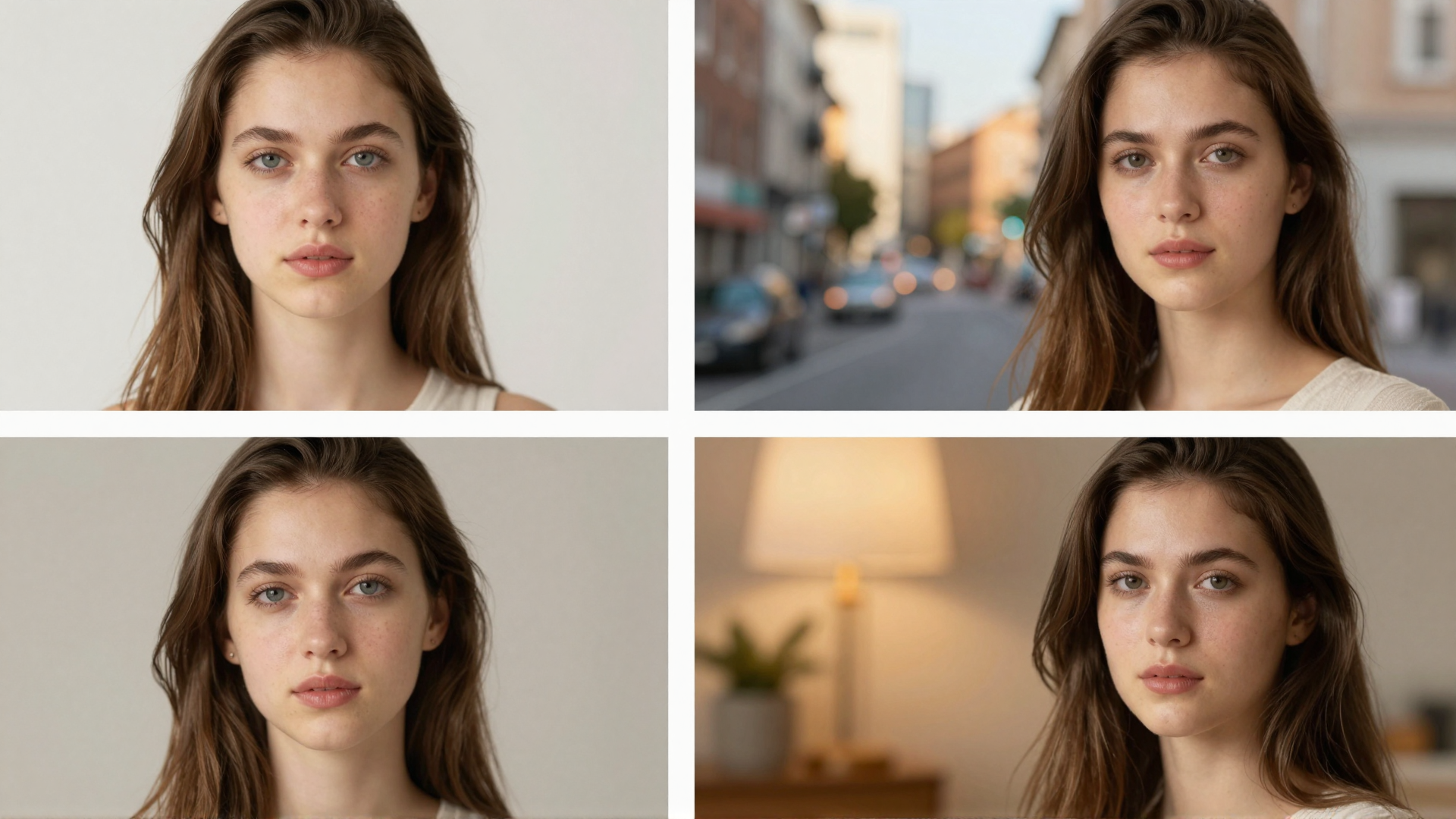
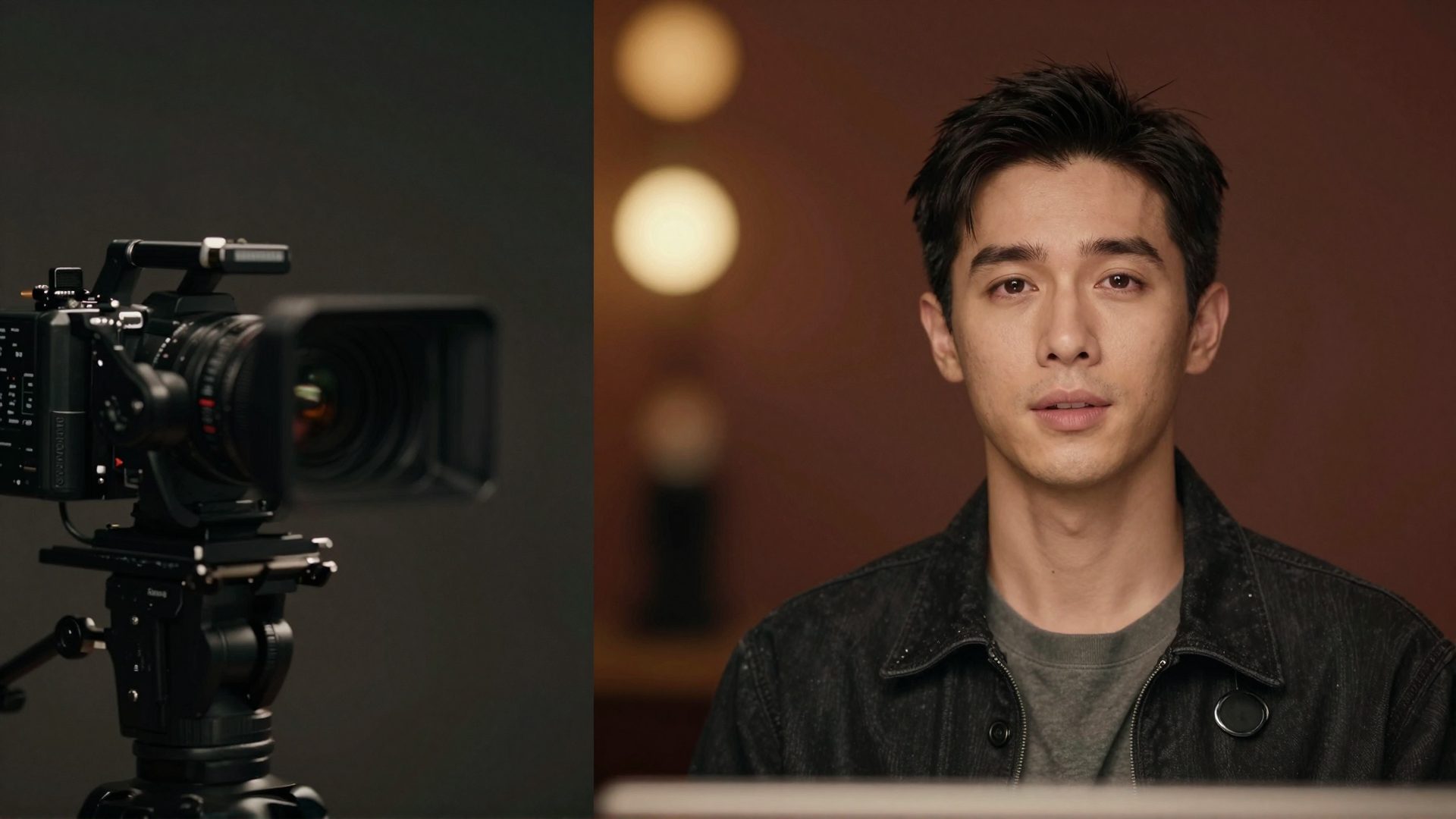
See it in action — real Imagera output
These are real, unedited results from the Imagera image generator — the exact tool this guide covers.

Bottom Line
Leonardo AI is a mature, well-supported platform with a real-time canvas, structured guidance, first-party model training, and Canva's backing — genuinely strong where interactive editing and precise control matter. Imagera is not trying to out-feature it. It offers a different deal: pay-per-use credits that do not expire, no monthly subscription, no watermark, 100K+ combinable CivitAI LoRA styles, and a straight path from generation into upscaling and editing. If Leonardo's subscription and daily token caps are the sticking point — or you generate in bursts and want a bundle that finishes images too — the Imagera AI Image Generator is the pay-as-you-go alternative worth trying.
Related: Imagera Image Upscaler · Imagera Image Editor · Best CivitAI & Midjourney Alternative 2026