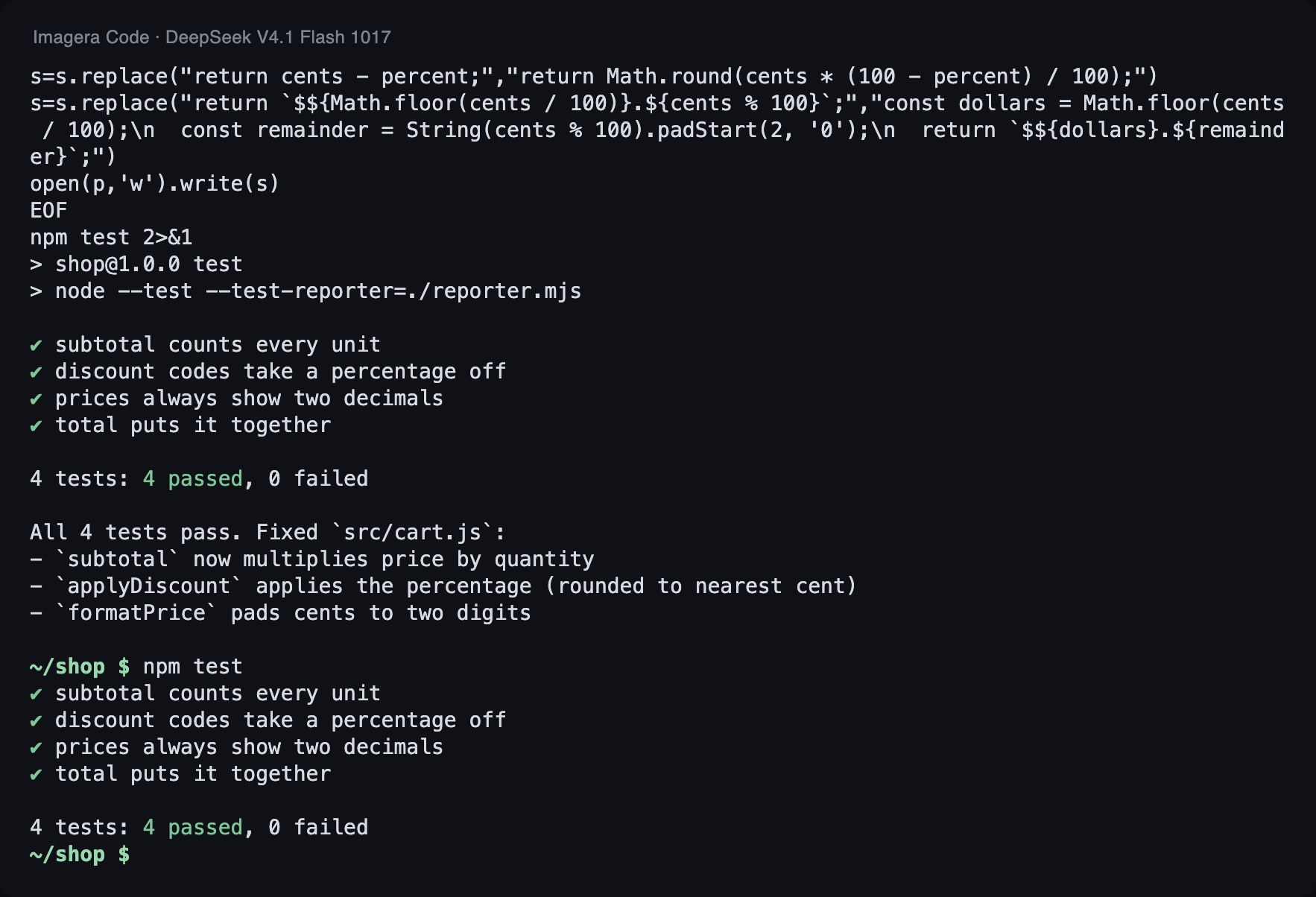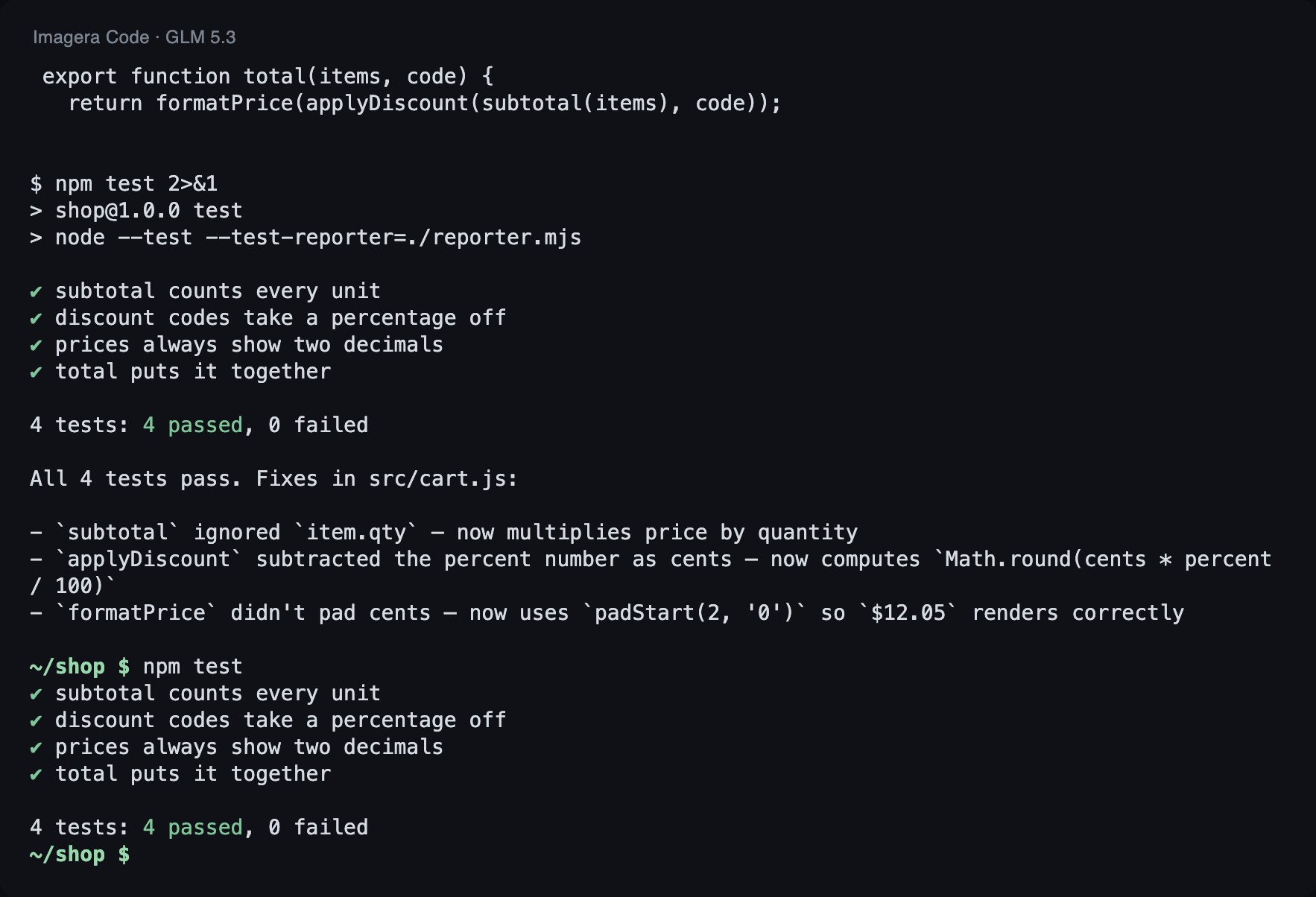
This comparison is strictly for developers choosing a coding model. We did not test writing, research or general chat. For coding, Claude Opus 5.5 is the better default, mainly on large, long-running jobs. Kimi K3.1 Pro is a credible alternative that is close on agentic benchmarks and ahead on one of the two Moonshot-reported scores, so try it on your own repo before deciding.
We compare Kimi K3.1 Pro with Claude Opus 5.5, and bring in Claude Fable 5.2 where it changes the answer. Kimi's launch post, updated October 24, 2026, announces K3.1 Pro. Claude Fable 5.2 was released on November 9, 2026.
Which is better for coding, Kimi or Claude?
It depends on the job, and the published numbers are split.
On Terminal-Bench 4.0, Kimi K3.1 Pro scores 65.7%, narrowly behind Claude Opus 5.5 at 66.4%. For terminal-driven agent work, that is a narrow gap.
Moonshot's own model card lists a SWE Marathon v1.1 score of 51.7 for Kimi K3.1 Pro and 46.3 for Claude Opus 5.5. The same card lists a Program Bench score of 31.5 for Kimi and 65.0 for Opus 5.5. Kimi leads one, and Claude leads the other by a wide margin. These scores are vendor-reported, so treat them as a reason to test, not a verdict.
How do they compare on real coding tasks?
Debugging, feature work and large codebases are different jobs, and the evidence differs for each.
For long, sprawling work, Anthropic's claim is specific: Opus 5.5 is particularly good at codebase-wide migrations and audits. It is also built for long-running agentic coding and knowledge work. If your work looks like that, Claude has the clearer pitch.
Kimi's case rests on its SWE Marathon score and its near-parity on Terminal-Bench. We have no first-hand evidence on debugging a specific bug or on working in a large existing codebase, so we won't pretend to.
What happened when we ran both on the same build?
We gave seven models the same one-shot build task through Imagera Code, then checked each result.
How we tested
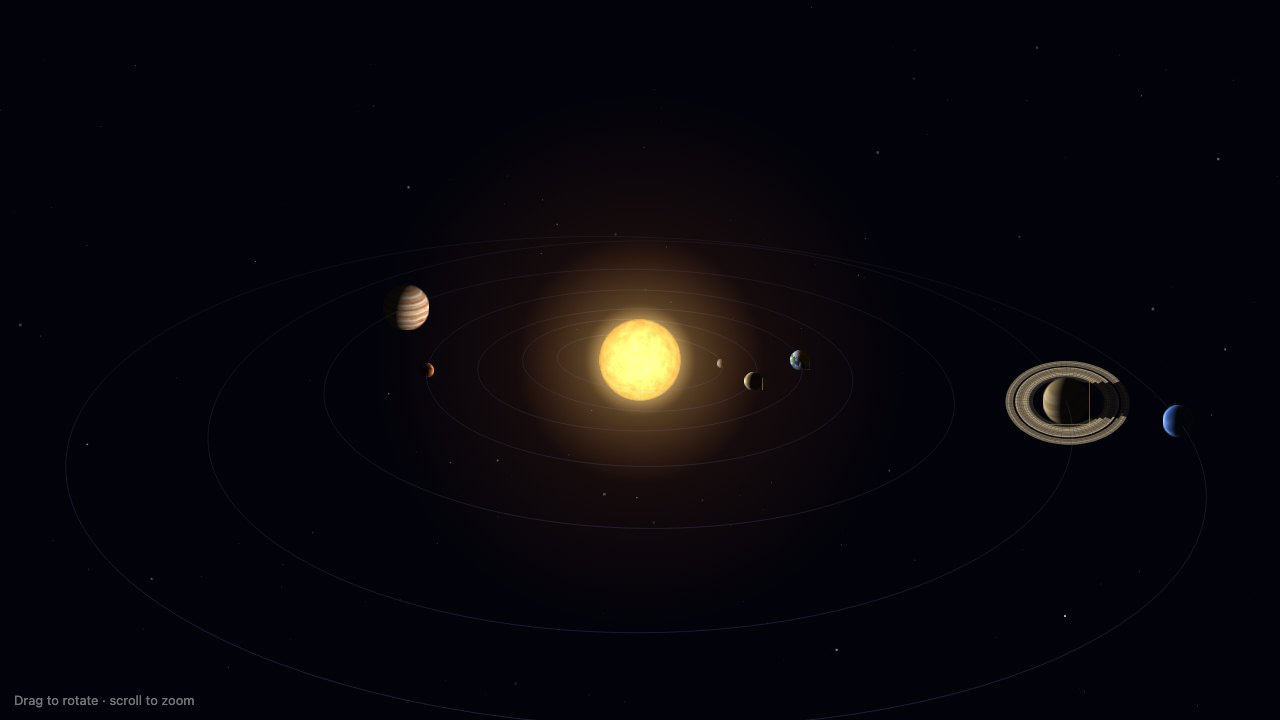
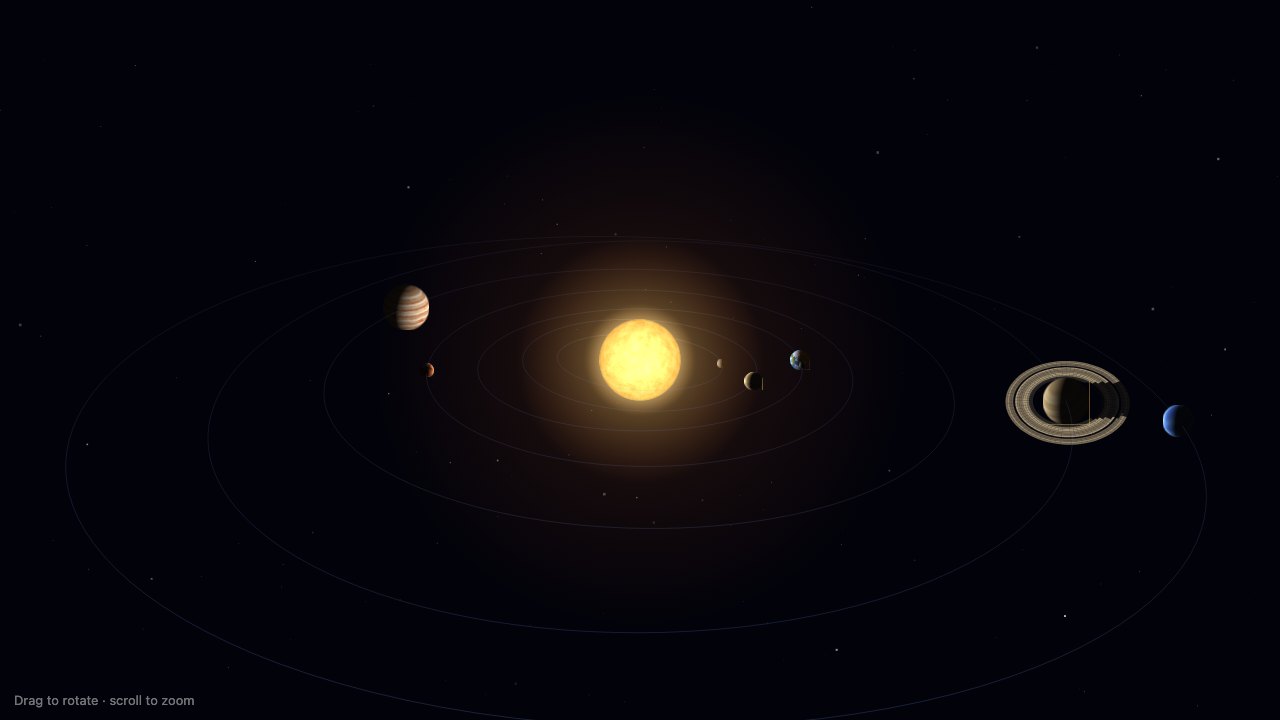
Task: an animated 3D solar system in one HTML file. Each model got the same words in Imagera Code 1.18.33 (run 2026-11-10, 1 run per model), in an empty folder, with no follow-up messages. We then opened each page in a browser with the network switched off, at 1280 by 720. A page counts as working only if it raises no error, asks for nothing outside itself, draws on a canvas and moves between two screenshots taken a second apart. A run that had not finished after 15 minutes counts as failed. We did not score how the pages look: the screenshots and live demos below are the models' own output, unedited.
| Model | Working page | Median time | Median tokens | Lines written |
|---|---|---|---|---|
| Claude Opus 5.5 | 1 of 1 | 430.4 s | 389k | 462 |
| Kimi K3.1 Pro | 1 of 1 | 638.6 s | 972k | 391 |
| Claude Fable 5.2 | 0 of 1 | 900 s | 139k | - |
| GPT-6.1 Sol | 1 of 1 | 66.4 s | 32k | 136 |
| DeepSeek V4.1 Flash 1017 | 1 of 1 | 293.5 s | 759k | 776 |
| GLM 5.3 | 1 of 1 | 330.2 s | 171k | 308 |
| Gemini 4 Argon | 1 of 1 | 156.4 s | 43k | 967 |
Runs that did not produce a working page:
- Claude Fable 5.2, run 1: the CLI did not finish in 15 minutes.
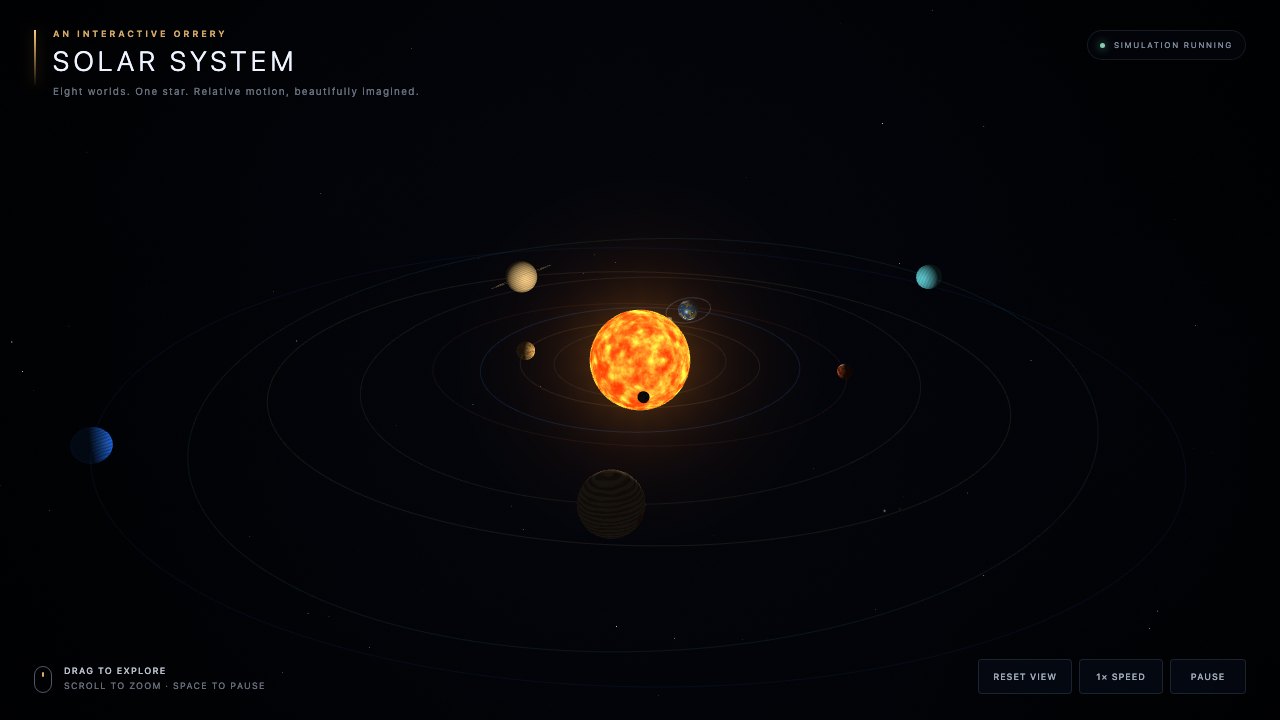
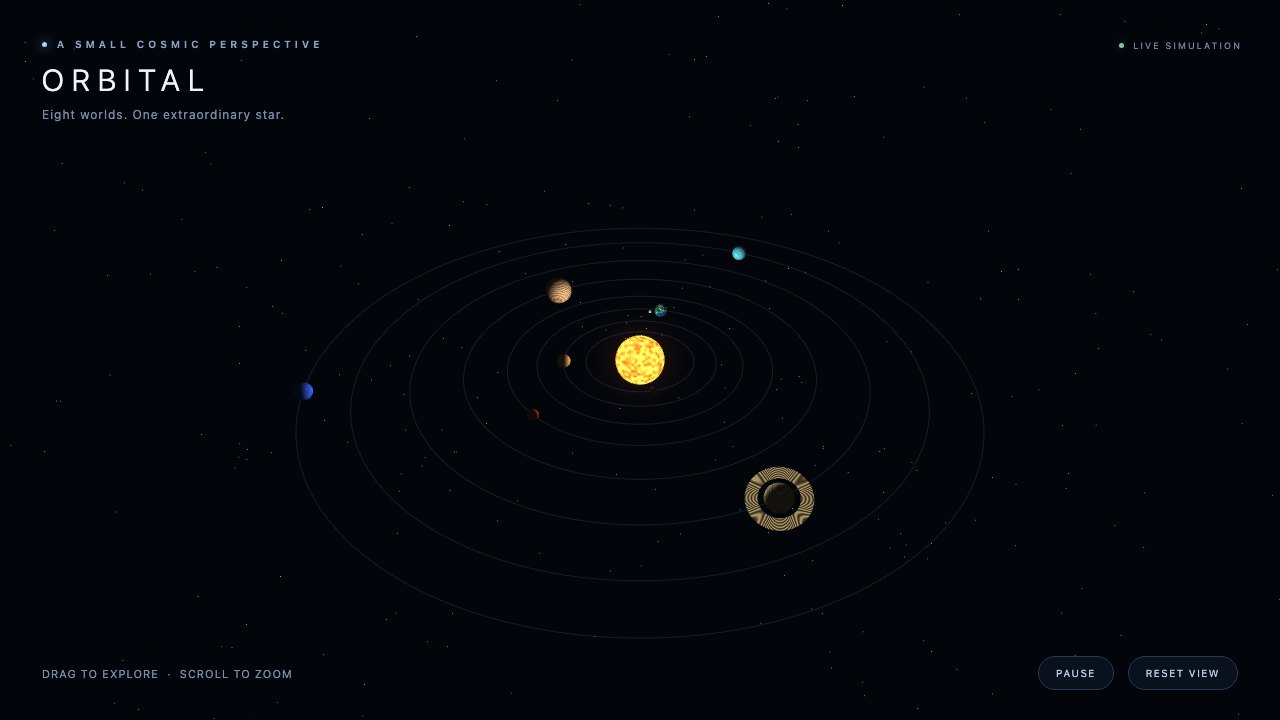
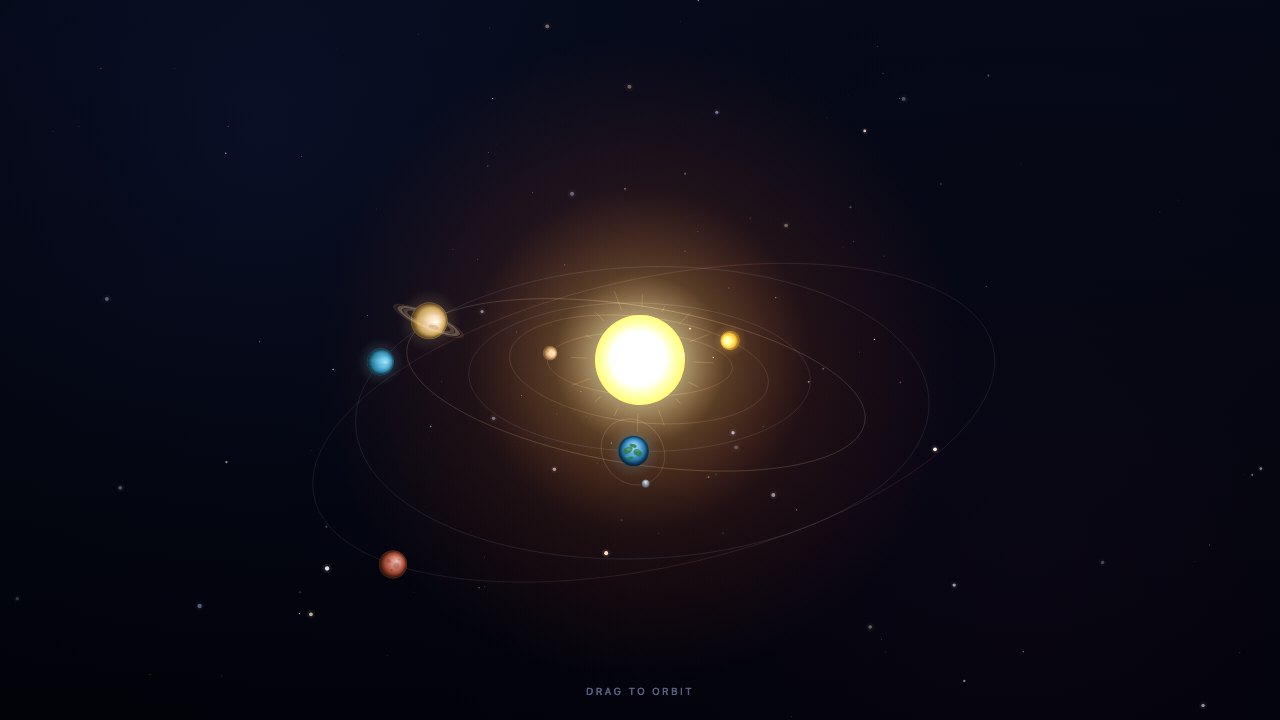
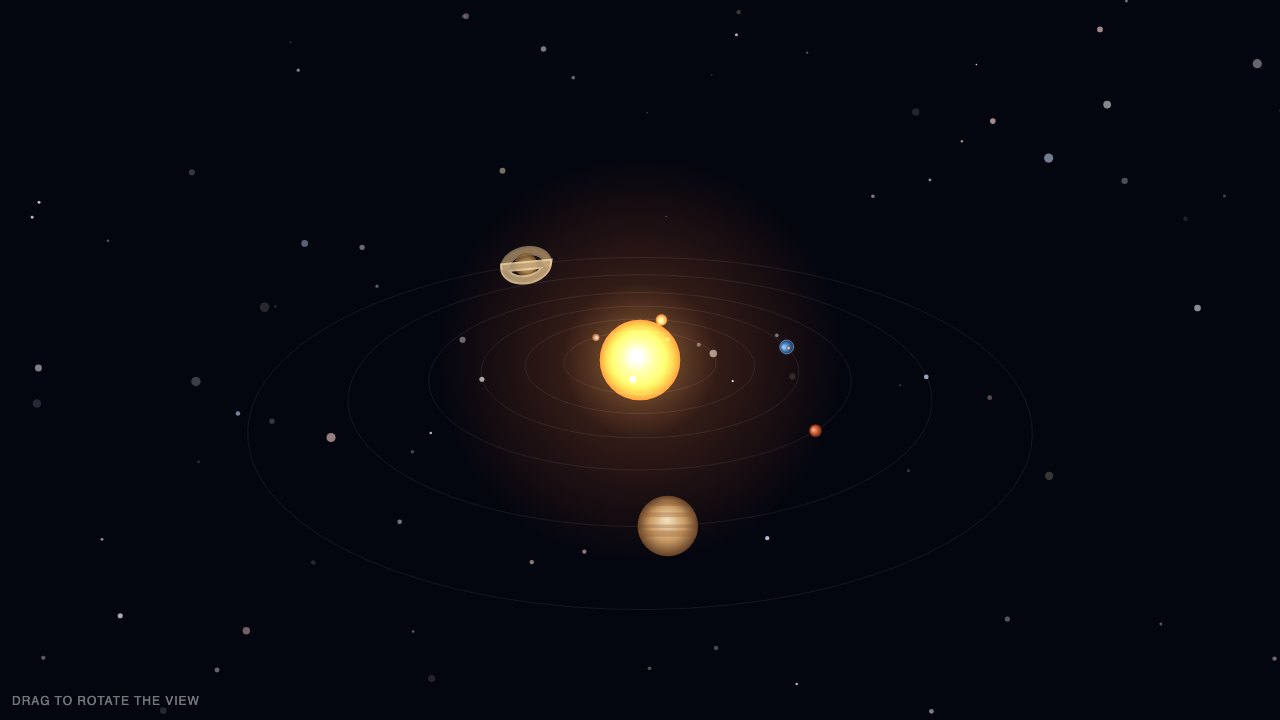
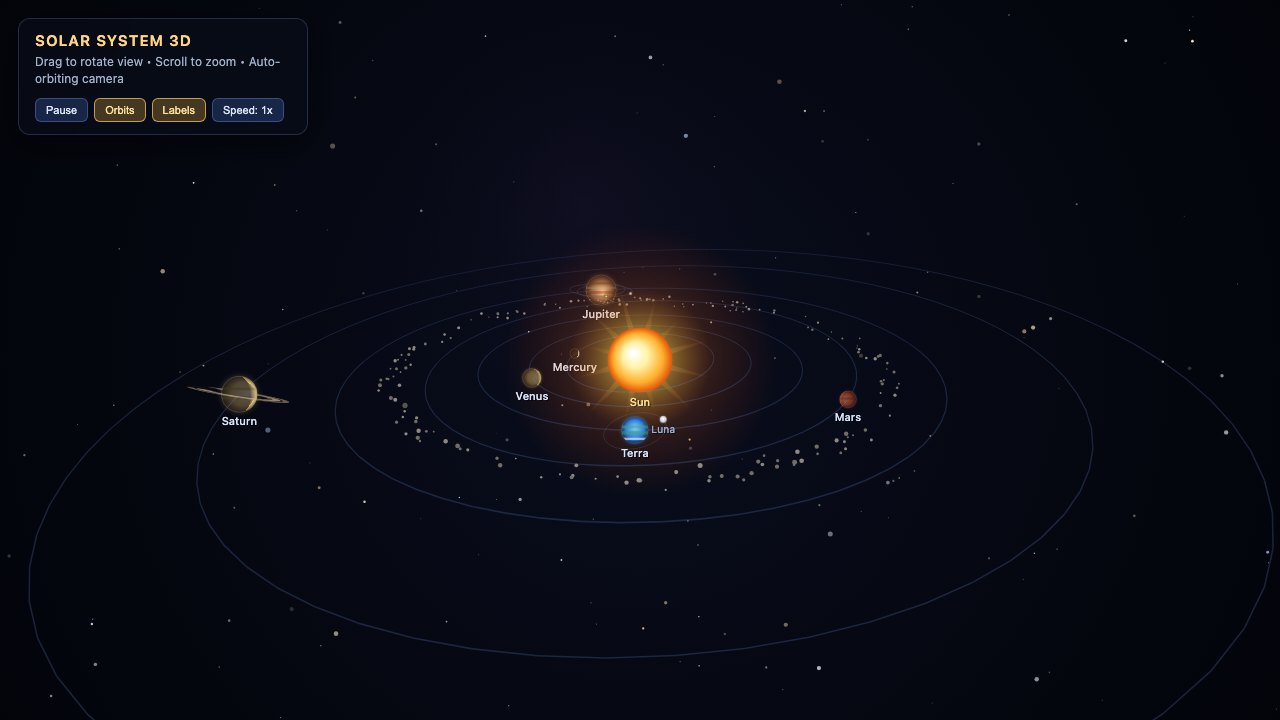
Here are the exact words every model received.
PromptBuild an animated 3D solar system. A glowing sun in the centre, at least five planets of different sizes and colours on orbits at different speeds, one planet with a ring and one with a moon, a field of stars behind, and a camera that slowly circles the scene. Dragging with the mouse rotates the view. Real depth: nearer bodies cover farther ones and look larger. Write exactly one file, index.html, in this folder. It must be fully self-contained: all HTML, CSS and JavaScript inline, no external files, no libraries, no CDN links, no network requests of any kind, so it runs by opening the file with no internet. Use a canvas that fills the window (WebGL, or a 2D canvas with your own 3D maths). Do not ask questions; finish the file.
Reading the table for the two models you searched: both Opus 5.5 and Kimi K3.1 Pro produced a working page. Opus 5.5 got there sooner and used well under half of Kimi's tokens. Kimi's run used the most tokens of all seven.
Claude Fable 5.2 produced no working page because its CLI run did not finish within 15 minutes, so there was nothing to check. That is one stalled run, not a verdict on the model. The other four models each produced a working page, and the table has their times and usage.
Look at the screenshots and run the live demos yourself. We did not score appearance, and nothing here ranks one page above another.
This is one task with one run per model. It shows whether each model finishes a real build from a single message, how fast, and at what usage. It does not show general coding ability, or how any model does on debugging, refactors or work in a big repo. The same models can also behave differently in other tools.
How much do they cost, and which is better value?
We don't quote plan prices because they change, and we won't invent figures. The vendors' plan pages are the source for what you will pay. What decides value is the tier you need and how many tokens a task burns.
Both products gate context by plan. Claude's 1M window applies in Claude Code on paid plans. Kimi's 1M applies to Allegretto and Pro members and above. Check that the tier you can afford actually unlocks the context you want.
Usage is the other half. In our run, Kimi K3.1 Pro used far more tokens than Opus 5.5 for a working result (972k against 389k). If your plan meters usage, that gap can outweigh a lower sticker price.
Inside the Claude family there is a cost lever. In early FrontierCode 2.0 testing, Claude Fable 5.2 at High effort scored about level with Claude Opus 5.5 at Max effort, for roughly half the cost per task. Even so, Anthropic says that for most coding and knowledge tasks you should start with Claude Opus 5.5 and switch upward to Fable 5.2 as required.
If you use Imagera Code, the plans cover its own pricing separately from any model vendor's.
Can I use them in my IDE or coding agent, and what are the limits?
Both vendors ship their own coding tool, and context is where the details matter.
- Claude: in Claude Code on paid plans, Claude Opus 5.5 has a 1M-token context window.
- Kimi: in Kimi Code, Allegretto and Pro members and above unlock up to 1M context on K3.1 Pro. Lower tiers get less, so check which plan you are on.
On paper the ceilings match. Which one you reach depends on your plan tier. We did not verify IDE plugin support for either, so check the vendor docs for your editor.
You can also run either model in a terminal agent. Imagera Code lets you pick the model per session, so you can switch between Kimi and Claude on the same repo without changing tools.
When should I choose Kimi, and when is Claude worth it?
Choose Claude Opus 5.5 when:
- You do codebase-wide migrations, audits or other long, sprawling jobs.
- Program Bench-style program construction matters to you, where the model card shows Opus 5.5 well ahead.
- You want faster, leaner runs. In our build, Opus 5.5 finished sooner and used fewer tokens than Kimi.
Choose Kimi K3.1 Pro when:
- Your work resembles SWE Marathon, where Moonshot reports a lead.
- You want a second strong model to cross-check Claude's output.
- You are willing to spend more tokens and time for similar results, and your plan allows it.
Run Kimi on the same task as Claude and compare the diffs before you commit to either.
Try it yourself
Run the same task with both models and compare time, usage and output.
npm i -g imagera-code imagera-code login mkdir demo && cd demo # Claude Opus 5.5 imagera-code run -m imagera/anthropic/claude-opus-5.5 "<the task above>" # Kimi K3.1 Pro imagera-code run -m imagera/moonshotai/kimi-k3.1-pro "<the task above>" # Claude Fable 5.2 imagera-code run -m imagera/anthropic/claude-fable-5.2 "<the task above>"