Turn Product Photos Into Video with AI is a practical Imagera workflow: start from real product photos you already have, describe what the product is and how the reel should feel, generate with credits shown up front, and review before you publish. This guide covers the full workflow, the platform-specific format requirements, the quality checks that matter, and exactly when to reach for related tools.
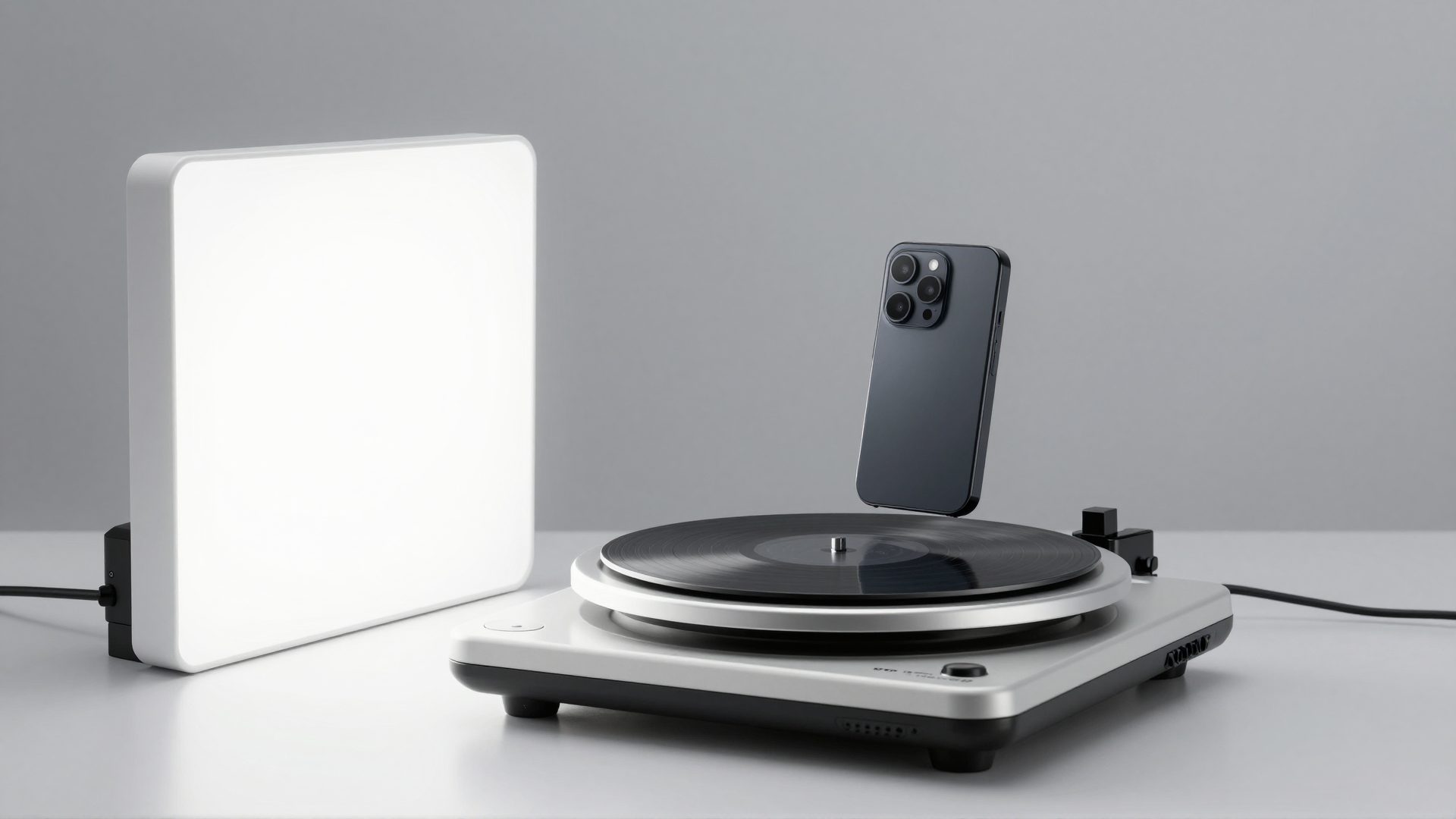
Short-form video drives more product discovery than any other content format in 2026 — on TikTok, Instagram Reels, and YouTube Shorts. The barrier for most sellers and brands is not creativity; it is production. Filming real product video requires time, equipment, lighting setups, a turntable rig, and editing skills that most small business owners and solo founders simply do not have on hand.
The alternative is to turn the product photos you already shot into video. This guide walks through that workflow step by step, the platform-specific format requirements, and how to structure and sequence your photos for maximum impact across TikTok, Instagram Reels, YouTube Shorts, and your own store pages.
Last updated July 2026.
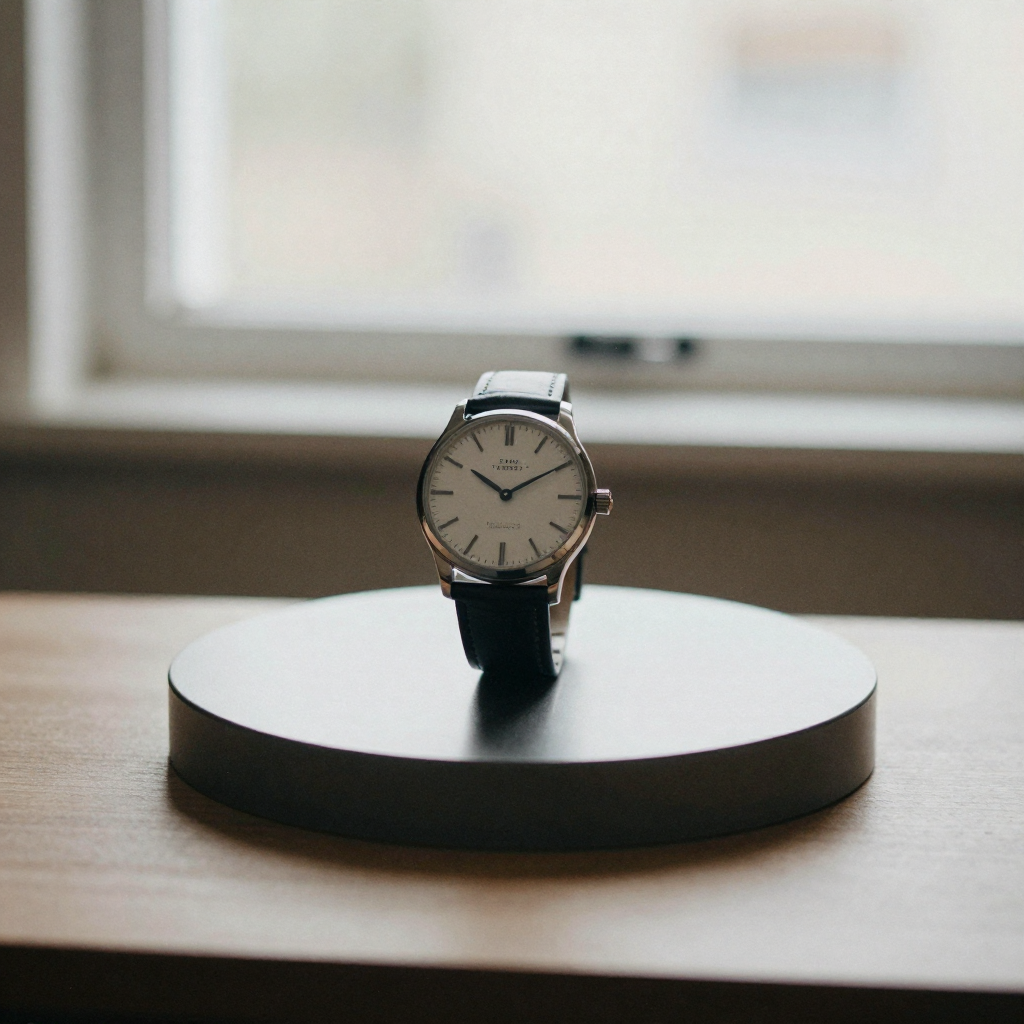
Real Imagera output: static product photos turned into a dynamic promo video.
Quick answer: Yes—with Imagera you can turn a single product photo into a polished AI marketing video in under 60 seconds, no filming, studio, or editing skills required.
1.How do you turn a product photo into a video with AI in 2026?
Upload 1 product photo to Imagera, pick a motion style, and generate. The AI animates lighting, camera moves, and 360° rotation from that single frame, exporting a 4K clip in under 60 seconds. Generate as many variations per product as you like for A/B testing, with outputs running from 5 to 15 seconds—ideal for ad placements in 2026.
2.Are AI product videos actually better for conversions than static images?
For many stores, motion helps a product stand out in a crowded feed where static images blend together. Imagera lets you spin up 100+ short clips across a catalog without a camera crew. Each render costs credits, not a dollar-per-shoot, so testing 20 angles stays affordable. Video gives shoppers a fuller sense of scale, texture, and how a product moves—context a single photo can't convey—so it's worth testing against your static listings to see what lifts add-to-cart for your specific catalog.
3.What it does
Imagera's Product Reel Maker takes still product photos and builds short, motion-driven video from them — no filming, no studio, no turntable rig, no editor. You upload up to nine photos of a single product, describe the product and the vibe you want, pick a motion style, and the tool renders a vertical-ready reel in minutes.
The key idea is that your photos anchor every frame. The product on screen is the product you actually sell — not a lookalike, not a stock stand-in, not a generic rendering. The AI builds camera language (orbits, push-ins, macro cuts, floating rotations) around your real product so the result feels like it was filmed on a set even though it was assembled from stills.
Output is available in three aspect ratios — 9:16 vertical, 16:9 horizontal, and 1:1 square — at up to 1080p, so a single photo set can feed a TikTok reel, an Amazon listing video slot, and a square feed post. Every reel comes with full commercial usage rights, so you can use it in organic posts, paid ads, and product pages without licensing friction.
A short product-style reel generated with Imagera — motion, pacing, and camera language built on top of stills.
4.Why product video from photos works
The algorithm on TikTok, Instagram, and YouTube Shorts does not distinguish between video shot on a cinema camera and video assembled from product photos with AI motion. What it measures is:
- Watch time — does the viewer stay through the full video?
- Engagement — do they like, comment, or share?
- Click-through — do they tap the product link or swipe to the store?
A well-structured product reel from photos can perform on all three because it delivers product information in a format these platforms natively promote. The motion and audio make it read as video even when it is constructed from stills, and the platforms allocate meaningfully more organic reach to video than to static posts.
The production barrier — filming, lighting, editing — is what the tool removes. What remains is the creative work only you can do: choosing the right photos and putting them in the right order. Get those two decisions right and the workflow is short.
5.How it works
The pipeline is deliberately simple, but each stage matters. Here is the real, detailed workflow.
-
Upload up to nine product photos. Add front, back, packaging, texture close-ups, and in-use moments — whatever you have. Phone photos are fine as long as they are sharp and reasonably well lit.
-
Tag and order each photo. Label them ("front", "back", "in hand", "packaging", "texture close-up", "in use") and set the sequence. The order you choose becomes the order of the reel, so this is where you build your hook-to-CTA arc.
-
Describe the product and the vibe (required). Tell the tool what the product is and how the reel should feel — for example, "warm minimalist morning, slow and premium" for a ceramic coffee set, or "high-energy gym launch, punchy cuts" for training gear. This description drives the motion, pacing, and mood, which is why it is not optional.
-
Pick a motion style. Choose from the ecommerce-ready styles (detailed below), or write a custom style prompt describing the exact camera move and mood you want.
-
Choose format and engine, then generate. Select 9:16, 16:9, or 1:1, and pick the engine tier that fits the job — a budget engine for testing creatives, or a premium 1080p engine for hero assets. The per-second credit cost is shown on the generate button before you commit.
-
Review, then export. The reel renders in minutes. Preview it, and if it works, download the standard video file and post it. If a render fails, the failover pipeline handles the retry automatically (see below).
6.Step-by-step walkthrough
Here is what a single product looks like end to end, from raw photos to a posted reel.
-
Gather your photos. Pull together six to nine strong shots of one SKU: a hero shot, two or three detail or texture close-ups, one or two lifestyle/in-use frames, and optionally a packaging shot. Fewer than six tends to feel thin; more than nine is not needed for a single-product reel.
-
Fix anything low-res first. If any photo is blurry or small, run it through the AI image upscaler before you build the reel. Low-resolution stills look obviously poor in motion, and upscaling first is a two-minute fix that saves the whole reel.
-
Open the studio and upload. Add your photos and label each one with the tag that describes it. Labels help the reel treat a packaging shot differently from a texture close-up.
-
Set the order for the psychological arc. Put your most striking photo first (the hook), the clearest full-product shot second (the intro), your detail and lifestyle shots in the middle (the feature reveal), and — if you plan to add end-card text — your cleanest hero shot last for the CTA frame.
-
Write the description. Two or three sentences: what the product is, who it is for, and the feeling you want (premium, playful, cozy, high-energy). Keep it concrete.
-
Pick a style and format. For most ecommerce use, start with Hero Orbit or Turntable in 9:16. Switch to 1:1 or 16:9 when you also need feed or Amazon-listing versions.
-
Choose the engine and generate. Test with a lower-cost engine first; once you are happy with the direction, re-render your final on a higher-fidelity engine for the version you will actually publish.
-
Add text overlays and post. Layer on your muted-audio text (see the framework below), then export and publish. Repeat per SKU — the marginal cost of each additional reel is small because the workflow is already set up.
7.Four ecommerce-ready motion styles
The Product Reel Maker ships with motion styles built specifically for selling products. The four core ecommerce styles are:
| Style | What it looks like | Best for |
|---|---|---|
| Hero Orbit | The product front and center with a slow, premium camera orbit | Flagship products, hero assets, launch teasers |
| Turntable | A clean 360-style spin on a seamless studio background | Form-factor products where shape matters (bottles, shoes, gadgets) |
| Macro Details | Extreme close-ups of texture, material, and craftsmanship | Apparel, accessories, handmade goods, anything where quality is the sell |
| Lifestyle Context | The product in real life — hands, homes, everyday moments | Building desire and showing the product in use |
Beyond these four, additional styles are available for specific looks — including a dramatic reveal (a slow push-in as the product emerges from shadow), a floating rotate on a seamless background, and a top-down flat-lay pan across a styled arrangement. There is also a custom style option where you describe the exact camera move and mood you want in your own words.
8.Photo selection: what you need
Not every product photo translates well to video. Use these criteria to select your reel photos.
8.1Required photo types for a strong product reel
| Photo type | Purpose | Number to include |
|---|---|---|
| Hero / main product shot | Establishes the product clearly | 1–2 |
| Rotation / multi-angle views | Shows form factor | 1–2 |
| Close-up detail shots | Highlights quality and materials | 1–3 |
| In-context / lifestyle shots | Shows the product being used | 1–2 |
| Texture or material close-up | Trust signal for apparel, accessories, home goods | 1–2 |
| Packaging (optional) | Unboxing feel; works for gift-market products | 1 |
Total: six to nine photos for a single-product reel. Quality and variety matter far more than raw count — one strong lifestyle shot beats three near-identical front shots.
8.2What to skip
- Flat, low-contrast photos with nothing for motion to travel across.
- Photos with watermarks or brand markings that look like competitor assets.
- Low-resolution photos — run them through the AI image upscaler first so they hold up in motion.
- Multiple photos from the exact same angle — pick the best one and use the freed-up slots for variety.
9.The photo order that performs best
The order of photos in a product reel follows a specific psychological arc. Because you control the sequence when you tag and order your uploads, this is one of the highest-leverage decisions in the whole workflow.
-
Hook photo (1–2 sec): Your most visually striking photo — strongest contrast, most interesting detail, or the lifestyle shot that creates desire. This first frame determines whether buyers watch or scroll.
-
Product introduction (2–5 sec): Show the full product clearly so the viewer understands exactly what they are looking at.
-
Feature reveal (5–20 sec): Cycle through detail shots, different angles, and use-case photos. This is the bulk of the reel and where Macro Details and Lifestyle Context styles earn their keep.
-
Social proof or benefit (if available): A review-rating frame, a before/after, or a lifestyle shot of someone using the product.
-
CTA frame (last 2–3 sec): End with a clear call to action — product name, price (optional), and where to buy. "Link in bio," "Shop now," or "Available at [Store]."
10.Platform-specific format requirements
The same photo set can be exported in different formats for different placements. Here is what each platform expects, and which Imagera output ratio to pick.
| Platform | Imagera output | Dimensions | Optimal duration | Notes |
|---|---|---|---|---|
| TikTok | 9:16 vertical | 1080 × 1920 | 15–30 sec | Native format; longer is fine but retention drops |
| Instagram Reels | 9:16 vertical | 1080 × 1920 | 15–45 sec | Audio-off viewing common; caption text matters |
| YouTube Shorts | 9:16 vertical | 1080 × 1920 | 15–60 sec | Works best with a clear hook in the first 3 sec |
| Instagram Feed | 1:1 square | 1080 × 1080 | 15–60 sec | For non-Reels feed placement |
| Facebook Reels | 9:16 vertical | 1080 × 1920 | 15–60 sec | Same file as Instagram Reels |
| Amazon listing video | 16:9 or 1:1 | 1080p | 15–30 sec | Product-page video slot and Amazon Posts |
| Pinterest Idea Pins | 9:16 vertical | 1080 × 1920 | 15–60 sec | High-purchase-intent audience; strong for home goods |
The Product Reel Maker exports 9:16, 16:9, and 1:1 up to 1080p, so you can produce a vertical reel for TikTok/Reels/Shorts and a square or horizontal version for the feed and Amazon listing in the same session. Reel durations of 5, 10, or 15 seconds are available depending on the engine you choose; for longer platform placements, sequence multiple product moments across your photo set.
11.Common use cases
The same workflow serves very different sellers. Concrete scenarios:
- Amazon listing videos. Add a video to your Amazon listing from photos you already shot — no studio session — using 16:9 or 1:1 for the product-page slot. As with any listing asset, make sure the video accurately represents your product per marketplace policies.
- TikTok and Reels ads. Scroll-stopping vertical product video for both organic posts and paid creatives, tested cheaply before you scale spend.
- Shopify and Etsy product pages. Product-page video lifts conversion; generate one for every SKU without filming any of them.
- Product launches. Tease and launch with cinematic motion built from your render or photo set.
- Kickstarter and pre-orders. Make a crowdfunding page feel real with hero orbits and macro detail shots before the product even ships.
- Handmade and small-batch goods. Give handmade products the premium-brand video treatment straight from phone photos.
12.Who it's for
- Ecommerce sellers and DTC brands who need a reel per SKU and cannot film every one.
- Marketers and paid-social teams who want to ship ad creative without waiting on a production crew.
- Creators and affiliates who post frequently and need consistent, on-brand product video.
- Agencies scaling client work across many products without adding headcount per asset.
- Handmade and small-batch makers who want big-brand video quality from a phone camera.
13.Comparison
How turning photos into reels with Imagera compares to the two common alternatives — hiring a videographer and stitching a reel together yourself in editing software. Our column is priced in credits (pay-as-you-go, shown on the generate button); competitor figures are typical market ranges, not our prices.
| Factor | Hire a videographer | DIY in editing software | Imagera Product Reel Maker |
|---|---|---|---|
| Filming needed | Yes — shoot day, lighting, rig | No, but you need existing footage | No — still photos only |
| Turnaround | Days to weeks | Hours per reel | Minutes per reel |
| Skill required | None (you outsource) | Video editing skills | Describe product and vibe |
| Typical cost | $200–$2,000+ per video | Software subscription + your time | Per-second in credits, shown up front |
| Per-SKU scaling | Expensive per product | Slow per product | Fast — reuse the workflow per SKU |
| Commercial rights | Depends on contract | Depends on assets/music | Full commercial rights on every reel |
The honest trade-off: a professional shoot still wins for genuine live-action and complex demonstrations. For turning a catalog of existing product photos into consistent, platform-ready reels at volume, generating from stills is dramatically faster and cheaper per SKU.
14.Adding text overlays for muted-audio viewers
A significant portion of product video views happen with audio off — especially on Instagram, where many users browse silently. Text overlays are not optional; they are your only communication channel for these viewers.
Text overlay framework for product reels:
- Frame 1 (hook): Product category or a desire-triggering phrase — start with what the product does, not the brand name.
- Frame 3–4: Key product benefit in four to five words (for example, "Lasts 3× longer").
- Detail frames: Label what viewers are seeing ("100% merino wool," "Waterproof up to 50m").
- Last frame: Product name plus CTA ("Shop [Brand] → Link in bio").
15.Music and audio
Music sets the emotional tone for a product reel and affects both watch time and the type of buyer you attract. Match the direction to the category:
| Product category | Music direction | Why it works |
|---|---|---|
| Fashion / apparel | Upbeat pop, lo-fi | Energy and aspiration |
| Home goods / decor | Calm instrumental | Relaxed, browse-mode |
| Tech / gadgets | Electronic, minimal | Precision and modernity |
| Food / beverage | Warm acoustic or jazz | Comfort and pleasure |
| Fitness / wellness | High-energy, motivational | Action and transformation |
| Gifts / seasonal | Warm, seasonal | Purchase triggers |
Whatever direction you pick, keep in mind that your reel must also work with audio off — which is why the text-overlay framework above applies regardless of music choice.
16.Tips for best results
- Lead with your strongest frame. The first one to two seconds decide watch time. Never open on a logo card.
- Upscale before you build. Sharpen any soft or small photo with the AI image upscaler first; motion is unforgiving of low resolution.
- Match the style to the sell. Use Macro Details when craftsmanship is the selling point, Lifestyle Context when you need to build desire, Turntable when shape and form factor matter.
- Write a concrete description. "Warm minimalist morning, slow and premium" produces a very different reel than "high-energy launch, punchy cuts." Specific vibe wording steers the motion.
- Test cheap, publish premium. Render early drafts on a budget engine to lock the direction, then re-render your final on a higher-fidelity 1080p engine.
- Produce every ratio you need in one session. Generate 9:16 for social and 1:1 or 16:9 for feed and Amazon while your photos and description are already loaded.
17.Common mistakes to avoid
- Starting with a logo or brand-name frame. Audiences scroll past branded intros in under a second. Lead with your most engaging product photo.
- Using only white-background studio shots. White-background photos are necessary for listings but produce flat, low-energy reels. Mix in lifestyle and context shots for the reel even if your main listing uses studio shots.
- No call to action at the end. A reel that does not tell viewers what to do next is a missed conversion. Always end with a clear, specific CTA.
- Too many photos of the same angle. Sequence variation keeps viewers watching. If you have four front-facing shots, pick one and use the other slots for detail, lifestyle, and packaging.
- Skipping the description. Because the product-and-vibe description drives the motion, a vague or empty description produces a generic reel. Spend the extra minute to describe it well.
18.Examples
Handmade ceramics. A maker has six phone photos of a pour-over coffee set: a hero shot, two texture close-ups of the glaze, one shot in hands mid-pour, and a packaging shot. Description: "Warm minimalist morning, slow and premium, end on the logo." Style: Hero Orbit, 9:16. The result is a reel that reads like a small-batch brand film — from photos taken on a kitchen counter.
Sneaker drop. A seller has nine studio and lifestyle photos of a new sneaker. Description: "High-energy launch, punchy macro cuts." Style: Macro Details for the mid-section, sequenced hook-to-CTA. Exported at 9:16 for TikTok and 1:1 for the Instagram feed in one session, ready for both organic posts and a paid test.
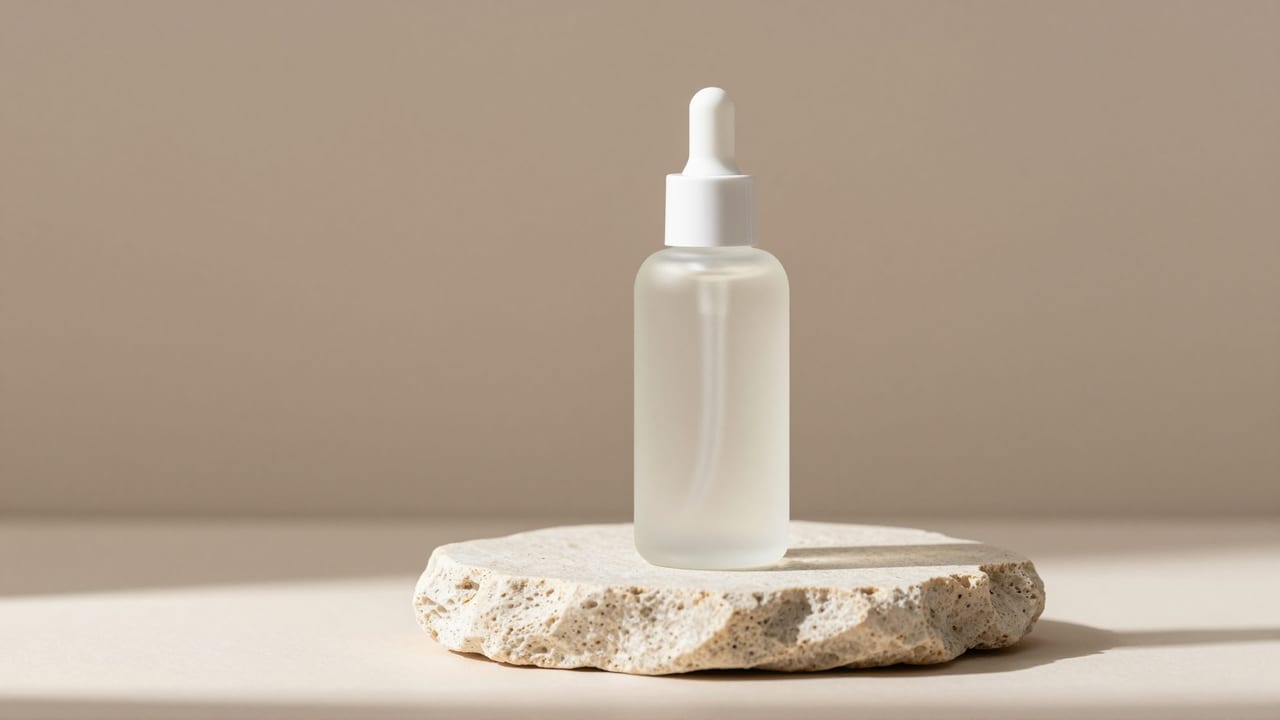
Skincare serum. A DTC brand has four clean product shots and two lifestyle frames. Description: "Calm, clinical, premium — soft light." Style: Hero Orbit into Lifestyle Context. Exported at 16:9 for the Amazon listing video slot and 9:16 for Reels.
19.Workflow summary
| Step | Action | Time |
|---|---|---|
| 1 | Select 6–9 photos (hero + details + lifestyle + CTA frame) | 3 min |
| 2 | Enhance any blurry or low-res photos with the AI image upscaler | 2 min |
| 3 | Upload, tag, and order photos in the Product Reel Maker (hook → intro → features → CTA) | 1 min |
| 4 | Write the product-and-vibe description, pick a style and format | 2 min |
| 5 | Choose an engine and generate; add text overlays | 3 min |
| 6 | Review, export, and post | 2 min |
| Total | ~13 min per product |
20.Bottom line
Turning product photos into video removes the single biggest barrier to short-form product content: production. With Imagera's Product Reel Maker, you upload up to nine photos, describe the product and vibe, pick a motion style, and get a 9:16, 16:9, or 1:1 reel up to 1080p in minutes — with full commercial rights and per-second credit pricing shown before you commit. Upscale soft photos first, sequence for the hook-to-CTA arc, and produce every aspect ratio you need in a single session.
21.Tools and next steps
| I want to… | Use this |
|---|---|
| Turn product photos into a reel | Product Reel Maker |
| Sharpen low-res photos before building a reel | AI image upscaler |
| Make listing videos for real estate | Real Estate Reel Maker |
| Make videos for a car listing | Car Reel Maker |
| Make a reel featuring a person | Human Reel Maker |
| Make a reel from any subject | Universal Reel Maker |
| Read the full playbook | Product reels for Shopify & Etsy: the 2026 guide |